Training your Siberian Husky for sledding taps into centuries of instinct, but it requires patience, consistency, and the right techniques. Whether you dream of recreational mushing or simply want a structured outdoor activity, this guide will walk you through every step—from basic obedience to running a small team. Husky sledding is not just about pulling; it's about partnership, communication, and respect for your dog's natural abilities.
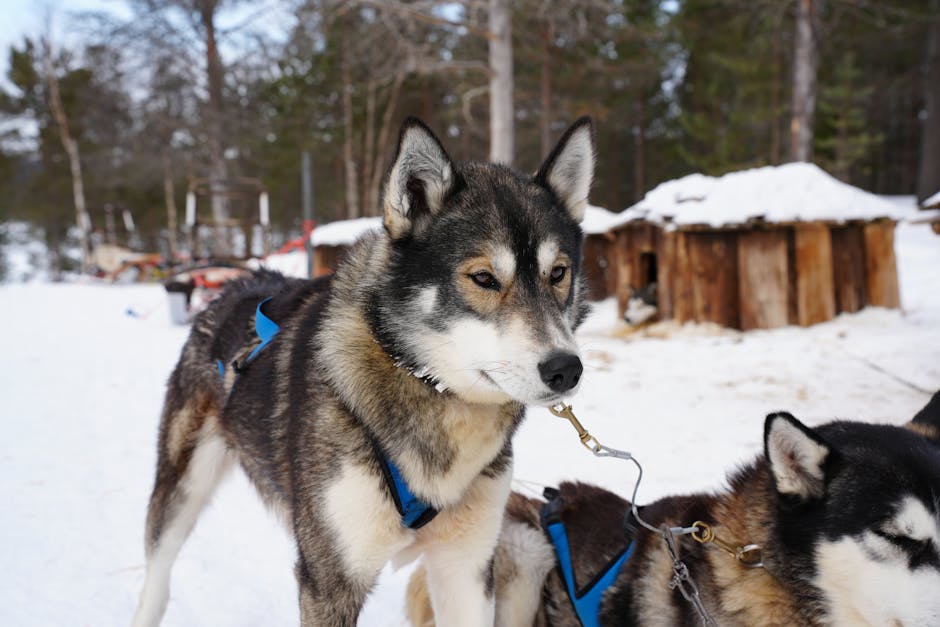
Understanding the Husky's Instincts
Siberian Huskies were bred to pull sleds over long distances in harsh Arctic conditions. Before any training begins, understand what drives them:
- Pack mentality – Huskies thrive in a social hierarchy. They respect a calm, confident leader.
- High energy and endurance – They need at least 1–2 hours of daily exercise. Sledding channels that energy productively.
- Independent thinking – Unlike some herding breeds, huskies may question commands. Training must be firm but positive.
- Prey drive – Small animals can distract them. Early socialization and focus exercises are crucial.
Respecting these traits will make training smoother and safer.
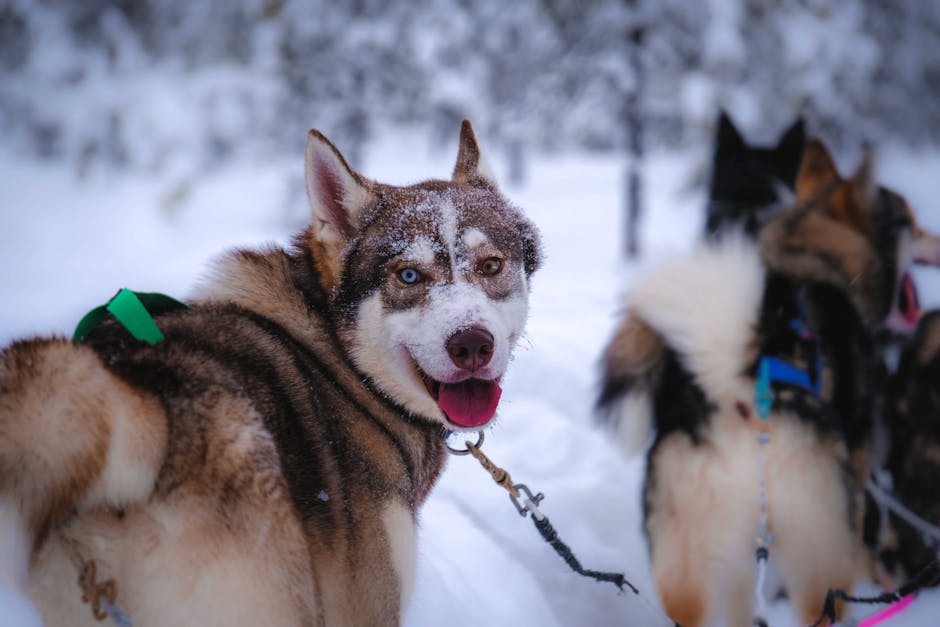
Basic Obedience Foundation
Before hooking a husky to a sled, it must reliably respond to basic commands in any environment. Spend 4–6 weeks perfecting these:
- Come (recall) – Use a long line in a fenced area. Reward enthusiastically. Never punish a slow recall.
- Sit and Stay – Essential for harnessing and hooking up. Practice with distractions.
- Leave it – Prevents chasing wildlife or grabbing objects during a run.
- Heel – Teaches the dog to walk beside you without pulling—this will later be replaced with pulling on command.
Use a consistent marker word (e.g., “Yes!”) and high-value treats. Keep sessions short (5–10 minutes) but frequent.
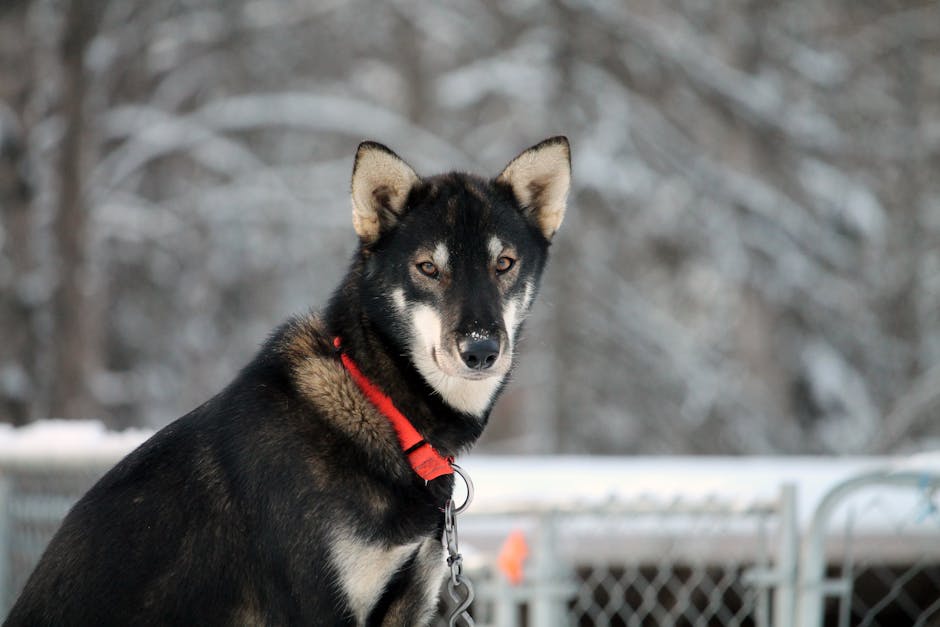
Gear and Equipment
Proper gear ensures safety and comfort. Below is a comparison table of essential items:
| Item | Purpose | Key Feature |
|---|---|---|
| Sled | Load carrying and rider platform | Lightweight, durable, with brake and steering |
| Harness | Pulling power transfer | H-style or X-back; no chafing, adjustable |
| Neckline | Keeps dogs aligned | 2–3 feet long, padded |
| Tugline | Connects dog to gangline | Thick rope with snap hooks |
| Gangline | Main line connecting team | Poly rope or cable, length based on team size |
| Booties | Protect paws from ice/sharp snow | Neoprene or fleece, secure velcro |
| Dog coat (optional) | Warmth in extreme cold | Windproof, breathable |
Invest in quality gear—cheap harnesses can cause chafing and discourage pulling. Measure your husky's chest and girth for a perfect fit.
Building Endurance and Strength
A husky cannot start pulling a sled for miles. Build fitness gradually over 8–12 weeks:
Phase 1: Walks and Jogs
Start with 2–3 mile walks, then progress to jogging. Increase distance by 10% weekly. Monitor for limping or exhaustion.
Phase 2: Weight Pulling
Attach a lightweight tire or dragging weight (start with 5–10% of dog's weight) on a harness while walking. Reward calm pulling. Do not let the dog pull at full speed—teach steady pressure.
Phase 3: Pulling with a Sled
Begin on soft snow or grass with an empty sled. Let the dog pull a few yards, then stop. Gradually add weight (up to 25% of dog's weight for recreational mushing). Always run on packed trails to avoid injury.
Hydration is critical. Offer water every 20 minutes during training. Feed a high‑protein diet (22–26% crude protein) to support muscle recovery.
Commands for Sledding
Standard mushing commands are universal and should be taught before the first run:
- "Hike!" or "Let's go!" – Start pulling
- "Whoa!" – Stop immediately
- "Gee!" – Turn right
- "Haw!" – Turn left
- "Easy!" – Slow down
- "Line out!" – Pull the tugline taut
Use distinct, sharp tones. Practice these commands during walks: for example, say “Gee” and gently guide your dog right with a treat. Repeat until the dog responds to voice alone.
Harness Training and Hookup
Introduce the harness positively. Let your dog sniff it, then put it on for short periods indoors, rewarding with treats. Gradually associate the harness with exciting outdoor activity.
Hookup procedure:
- Put the harness on, ensuring it's snug but not tight.
- Attach the neckline and tugline while the dog is in a sit-stay.
- Attach to the gangline (if running with other dogs).
- Stand on the sled brake or have an assistant hold the dog until you say “Hike!”
Never let the dog take off before you're ready—impulse control prevents accidents.
Starting with a Small Team
If you have multiple huskies, begin with just two dogs in point (lead) and wheel (nearest sled) positions. The most obedient dog should lead. Gradually add more dogs once the pair works smoothly.
For solo mushing with one dog, a lightweight pulk (cargo sled) or a dog‑sled designed for one can be used. The commands remain the same.
Advanced Techniques
Once your husky understands the basics, refine performance:
- Steering without voice – Use body weight shifts and gentle pressure on the sled's handles.
- Trail etiquette – Teach your dog to pass slower teams on command ("On by!").
- Speed control – Use “Easy” to slow down for turns or obstacles.
- Night or low‑visibility runs – Attach reflective gear and a headlamp to your sled.
Safety Considerations
Never compromise safety. Follow these rules:
- Temperature limits – Avoid runs above 50°F (10°C); huskies overheat easily. Below -20°F (-29°C) requires booties and coats.
- Trail conditions – Avoid icy patches, deep powder, or thin ice on lakes.
- First aid kit – Carry paw balm, bandages, antiseptic wipes, and a splint for emergencies.
- Hydration breaks – Offer water and snow (in moderation) every 30 minutes.
- Rest days – Allow at least one full day off per week to prevent injury.
- Veterinary check – Have your husky examined before starting sled training to rule out hip dysplasia or heart issues.
Nutrition and Hydration
Sledding dogs burn up to 1,000 calories per hour. Adjust feeding:
- During training season – Feed a high‑fat, high‑protein kibble (20–30% fat). Add salmon oil for omega‑3s.
- Before a run – Feed a light meal 2 hours prior. Heavy meals can cause bloat.
- After a run – Provide a recovery meal within 30 minutes to replenish glycogen.
- Hydration – Carry a collapsible bowl and offer water every 20–30 minutes. Electrolyte supplements can help during long runs.
Conclusion
Training a Siberian Husky for sledding is a rewarding journey that deepens your bond and honors their heritage. Start with solid obedience, invest in proper gear, and progress slowly. Celebrate small victories—a perfect recall, a clean hookup, or a smooth “gee.” With patience and consistency, you'll soon be gliding across snowy trails with a happy, powerful team. Remember: every husky is an individual; adapt your training to their personality. Happy mushing!