Does your Siberian Husky turn into a furry rocket the moment you crack open the front door? This dangerous behavior, known as door dashing, can lead to lost dogs, accidents, or injuries. With their strong prey drive and independent nature, Huskies are especially prone to bolting. But with consistent training and management, you can teach your Husky to stay calmly at the door. In this guide, you'll learn why Huskies dash, foundational obedience skills, step-by-step training exercises, and how to proof the behavior in real-world scenarios.
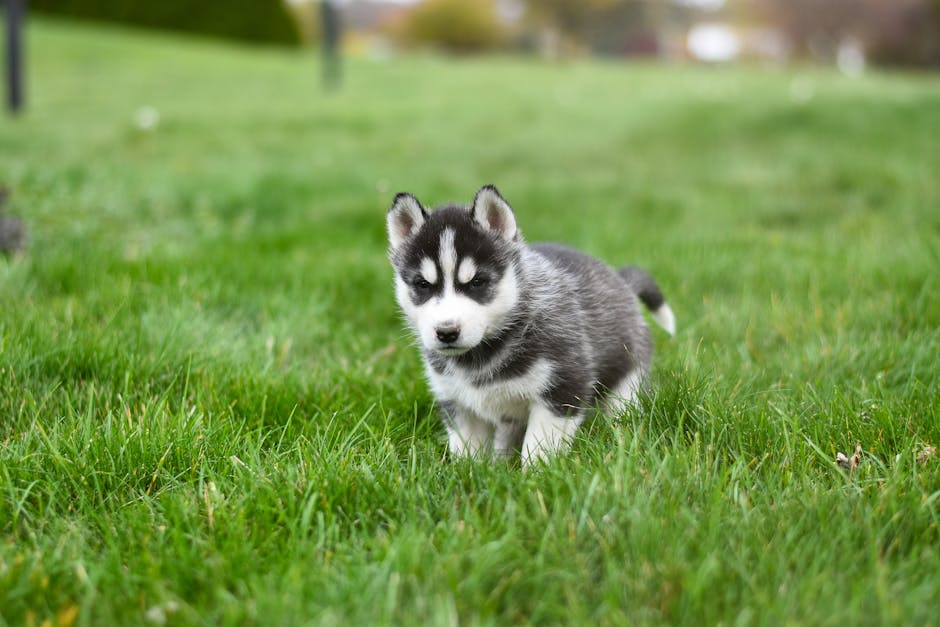
Why Do Huskies Door Dash?
To effectively stop door dashing, you first need to understand what motivates your Husky. Common reasons include:
- Prey drive – A squirrel, rabbit, or bird outside triggers an instinct to chase.
- Excitement – The door represents adventure, walks, or car rides.
- Lack of impulse control – Without a reliable 'stay' or 'wait,' the door opening is a release signal.
- Boredom or excess energy – An under-exercised Husky sees any opportunity to burn off steam.
- Curiosity – New sounds, smells, or visitors are irresistible.
Recognizing the root cause helps you tailor your training approach. For example, if prey drive is high, you'll need extra proofing around distractions.
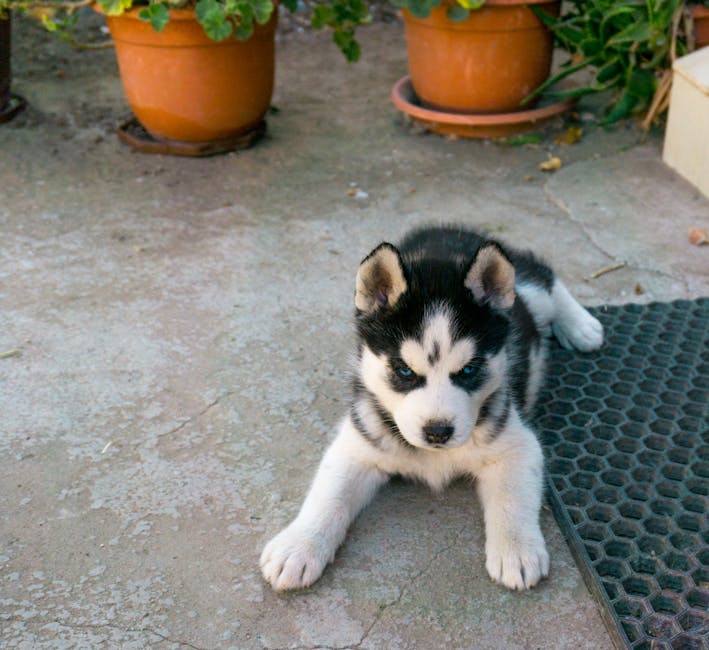
The Importance of Consistency and Patience
Huskies are intelligent but stubborn. Changing a deeply ingrained behavior like door dashing takes time. Consistency across all family members is crucial. If one person allows the dog to bolt out, it undermines all progress. Set clear rules: no one opens the door until the dog is calm and in a designated spot. Use the same verbal cues every time. Patience is key; expect setbacks and celebrate small wins.
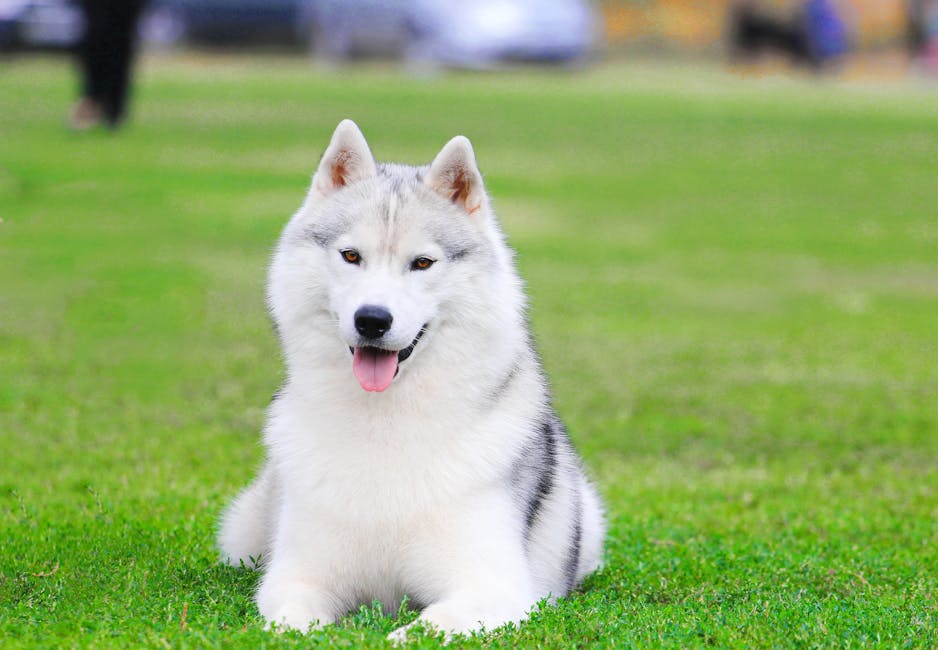
Basic Obedience Training Foundation
Before working on the door specifically, your Husky needs solid obedience basics. Focus on these commands:
- Sit – A default behavior that can be asked at the door.
- Stay – The ability to remain in place while you move.
- Come – A reliable recall in case they slip out.
- Leave it – To redirect attention from triggers.
Practice these in low-distraction environments first, then gradually add distance, duration, and distraction. A dog that can hold a stay in the backyard is ready for door training.
Training Tip: Use High-Value Rewards
Huskies are often food-motivated, but their focus wanes quickly. Use small, high-value treats like boiled chicken, cheese, or freeze-dried liver. Keep sessions short (5-10 minutes) and end on a positive note.
The 'Stay' and 'Wait' Commands
While 'stay' and 'wait' are similar, many trainers differentiate them. 'Stay' means remain in position until released, even if you walk away. 'Wait' is a temporary pause at a threshold. For door dashing, teaching both can be useful. Here's a simple progression:
| Step | Action | Duration | Reward |
|---|---|---|---|
| 1 | Ask for 'sit' about 10 feet from a closed door. Say 'wait' and open the door a crack. If dog moves, close door. Repeat until dog stays. | 1-2 seconds | Treat + calm praise |
| 2 | Increase door opening width. If dog remains, reward. | 3-5 seconds | Treat + verbal 'yes' |
| 3 | Walk through the doorway yourself while dog holds 'wait.' Return and reward. | 5-10 seconds | Jackpot reward |
| 4 | Release with 'okay' or 'free' to go through. Gradually increase distractions. | Variable | Play or walk reward |
Practice this exercise multiple times per day, always rewarding correct behavior.
Preventing Door Dashing with Management
Training alone may not suffice during the learning phase. Use management tools to prevent rehearsal of the undesirable behavior:
- Baby gates – Place a sturdy baby gate a few feet from the door to create a buffer zone.
- Exercise pen – Set up an x-pen around the entryway for a controlled training area.
- Tether or leash – Have your Husky on a leash when you answer the door until they are reliable.
- Designated 'place' – Teach your dog to go to a mat or bed near the door and stay there when the door opens.
- Door signs – Post a visual reminder for guests or family members to wait for the dog's cue.
Management reduces stress and prevents accidents while you build the training foundation.
Training Exercises: The Doorway Game
Formalize your training with structured games that make staying at the door fun. Try the 'Doorway Game':
- Stand inside with door closed. Have treats ready.
- Ask for a 'sit' and 'wait.'
- Slowly reach for the doorknob. If dog stirs, remove hand. Reward when still.
- Jiggle the knob; reward stillness.
- Open the door one inch; reward.
- Gradually increase to full open while dog remains.
- Once consistently successful, add movement (e.g., step outside).
Repeat daily, increasing difficulty. Always set your dog up for success by keeping sessions short and ending before frustration sets in.
Adding Distractions: Visitors, Mail, and Delivery
Real-life distractions like delivery personnel are high-level challenges. Start with a helper. Have a friend knock or ring the bell while you cue 'place' or 'wait.' Reward calm behavior. If your Husky dashes, the helper leaves immediately. This teaches that door dashing makes the exciting person disappear.
Proofing the Behavior with Distractions
Proofing means practicing in varied contexts until the behavior is reliable everywhere. Consider:
- Different doors (front, back, garage).
- Different times of day.
- Presence of other pets or people.
- High-distraction environments (e.g., open door while kids play outside).
Use a long line leash for safety during proofing. If your Husky bolts, you can step on the line to prevent escape. Proof gradually and always reward generously.
What to Do If Your Husky Darts Out the Door
Despite best efforts, slips can happen. Never chase your Husky – they see it as a game. Instead:
- Stay calm. Turn away or run in the opposite direction to encourage chasing you.
- Use a recall cue like 'come' with a happy tone. If trained, it may override prey drive.
- Fall to the ground and act injured – curious Huskies may come to investigate.
- Have a second person block escape routes if possible.
- Prevention is best: keep your dog microchipped, collared with ID, and consider a GPS tracker for high-risk dogs.
After an escape, analyze what went wrong and adjust your training or management. Avoid punishment; it can increase fear or excitement at the door.
Conclusion
Stopping your Husky from door dashing requires understanding their motivation, building a solid obedience foundation, consistent training exercises, and using management tools. Huskies are clever and will test boundaries – perseverance is your greatest ally. With patience and positive reinforcement, you can transform your front door from an escape route into a calm threshold. Start today by practicing the doorway game and soon you'll enjoy a safer, more relaxed home.