Muzzle training is one of the most misunderstood yet essential skills for any Siberian Husky owner. Despite their wolf-like appearance and independent spirit, Huskies are friendly, playful dogs. However, their high prey drive, strong jaws, and occasional stubbornness can lead to situations where a muzzle becomes a vital safety tool. Muzzle training is not about punishment—it's about preparation. This comprehensive guide will explain why every Husky should be muzzle-trained and exactly how to do it in a positive, stress-free way.
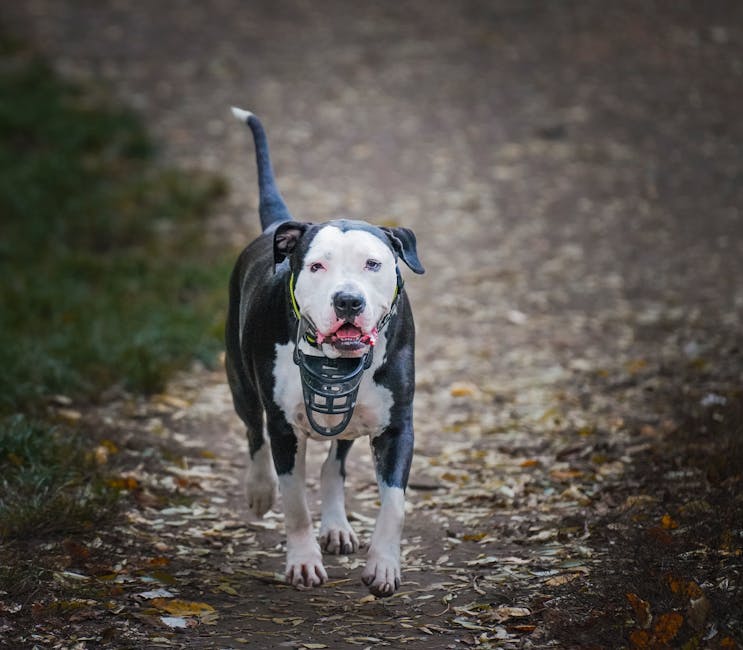
Why Muzzle Training Is Crucial for Your Husky
Many people associate muzzles only with aggressive dogs, but that's a harmful myth. For Huskies, muzzle training is practical for several reasons:
- Prey Drive Safety: Huskies have a natural instinct to chase small animals. A muzzle can prevent a potentially fatal bite to a squirrel, rabbit, or even a small dog during an off-leash encounter.
- Veterinary Visits: Even the calmest Husky may snap when in pain or after an injury. A muzzle enables the vet to examine and treat your dog without risk to themselves—or your dog from biting in fear.
- Grooming and Handling: Some Huskies dislike ear cleaning, nail trimming, or teeth brushing. A muzzle prevents accidental nips, making grooming sessions safer for both of you.
- Legal Requirements: In some countries or local jurisdictions, certain breeds (or mixes) are required to be muzzled in public. While Huskies are not typically on banned lists, it's wise to be prepared.
- Public Perception and Confidence: Knowing your dog can be safely muzzled gives you peace of mind in busy areas, dog parks, or when meeting new people.
Muzzle training is especially important for rescued or reactive Huskies. It buys you time and space to work on behavior modification without the risk of a bite incident.
Choosing the Right Muzzle for a Husky
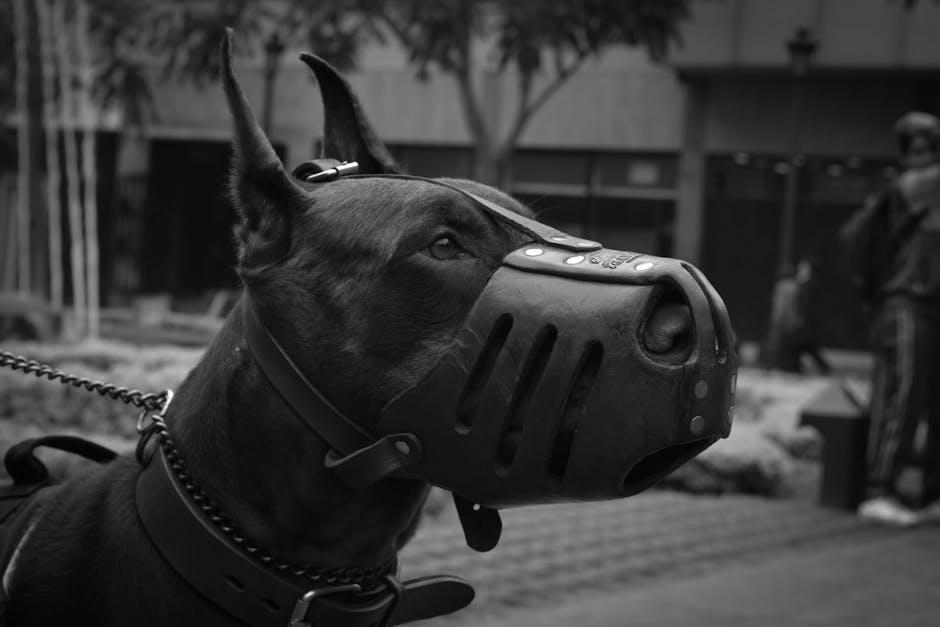
Not all muzzles are created equal. For Huskies, the best option is a basket muzzle—a cage-like design that allows the dog to pant, drink, and take treats while preventing biting. Avoid cloth or nylon muzzles that hold the mouth shut; these can cause overheating and panic in a Husky.
When selecting a basket muzzle, consider these factors:
- Size and Fit: The muzzle should be long enough to allow your Husky to open its mouth fully to pant. Measure from the tip of the nose to the back of the skull (just behind the eyes) and around the snout circumference. Use a manufacturer's sizing chart.
- Material: Rubber, plastic, or wire. Wire muzzles are very durable but can be heavy. Plastic or rubber is lighter and often more comfortable. Avoid metal that can get hot in sun.
- Padding: Look for muzzles with a soft, padded strap over the nose and behind the ears to prevent chafing.
- Ventilation: The basket should have large openings for airflow. Your Husky needs to pant freely to cool down, especially during exercise.
Below is a simple sizing reference for common Husky sizes (always measure your individual dog):
| Husky Size | Snout Length (cm) | Snout Circumference (cm) | Recommended Muzzle Width (cm) |
|---|---|---|---|
| Small Female | 8–10 | 20–23 | 4–5 |
| Average Male/Female | 10–12 | 23–27 | 5–6 |
| Large Male | 12–14 | 27–31 | 6–7 |
Step-by-Step Muzzle Training: Positive Reinforcement
The golden rule of muzzle training: never force the muzzle on your dog. Use treats, praise, and patience to build a positive association. Follow these steps over several days or weeks.
Step 1: Introducing the Muzzle
Hold the muzzle in one hand with a high-value treat in the other. Let your Husky sniff the muzzle. Each time they investigate it, say “Yes!” and give a treat. Repeat until your Husky eagerly looks at the muzzle expecting a treat.
Step 2: Touch the Muzzle
Now encourage your Husky to touch the muzzle with their nose or snout. You can smear a bit of peanut butter on the inside of the basket. As they lick it, reward them with additional treats from your hand. Gradually increase the time they keep their nose near the muzzle.
Step 3: Partial Wearing
Gently place the muzzle over your Husky’s snout without buckling it. Hold it for one second, then remove and treat. Practice this until your dog is comfortable. Gradually increase the duration to a few seconds, then 10 seconds, then 30. Always pair with a calm, happy voice.
Step 4: Buckling Up
Once your Husky is relaxed with the muzzle on their snout, buckle the strap behind the ears. Start with just a few seconds, then remove and reward immediately. Gradually increase the time. Never leave the muzzle on unattended initially.
Step 5: Distraction and Duration
Engage your Husky in a fun activity while wearing the muzzle—playing, going for a walk, or practicing tricks. This shows them the muzzle is part of enjoyable experiences. Gradually extend wearing time to 10–15 minutes, then 30 minutes, building up to longer periods as needed for vet visits or grooming.
Common Mistakes and How to Avoid Them
- Rushing the process: Expecting your Husky to accept a muzzle in one session leads to fear. Take as many days as needed.
- Using punishment: Never scold or force the muzzle on. This destroys trust. If your Husky resists, go back to a previous step.
- Wrong size: A too-tight muzzle can cause pain and breathing difficulty. A too-loose one can be pawed off. Always measure properly.
- Only using muzzle for negative events: If you only bring out the muzzle for vet trips or nail trims, your dog will learn to fear it. Use it occasionally during happy activities.
- Leaving it on too long: Huskies need to pant, drink, and eat. For safety, never leave a muzzle on for more than 30–45 minutes without a break, and never in hot weather unsupervised.
Practical Scenarios for Muzzle Use
Once your Husky is comfortable wearing a muzzle, you can use it responsibly:
- At the Vet: Let the vet know your dog is muzzle-trained. Have your Husky wear it before entering the exam room for a stress-free visit.
- During Grooming: If your Husky fidgets or mouths during nail trimming, the muzzle gives you a safe window to work quickly.
- In Dog Parks: If your Husky has a history of rough play or resource guarding, muzzle them for the first few visits to assess interactions.
- On Walks in High-Distraction Areas: Near fields with rabbits or livestock, a muzzle prevents a sudden chase and potential injury to the animal or your dog.
Frequently Asked Questions
Will a muzzle hurt my Husky?
No—when properly fitted and introduced positively, a basket muzzle is comfortable. The dog can still pant, drink, and take treats. Check for any rubbing after removal.
Can my Husky eat or drink with a basket muzzle on?
Yes. The basket design allows your dog to lap water from a bowl and eat soft treats pushed through the bars. However, avoid hard kibble that might get stuck.
How do I clean the muzzle?
Most plastic or rubber muzzles can be washed with mild soap and warm water. Wire muzzles should be rinsed and dried to prevent rust. Regular cleaning prevents odor buildup.
Is muzzle training recommended for all Huskies?
Absolutely. Even the best-behaved Husky can have an off day. Muzzle training is a valuable life skill for safety, and it doesn't denote aggression—it denotes responsible ownership.
Final Thoughts
Muzzle training your Siberian Husky is a gift of safety and freedom. It allows you to handle emergencies, navigate public spaces, and provide necessary care without fear. By using positive reinforcement and patience, your Husky will learn that the muzzle predicts good things—treats, walks, and quality time with you. Remember: a muzzle is not a muzzle forever, but the trust you build will last a lifetime.