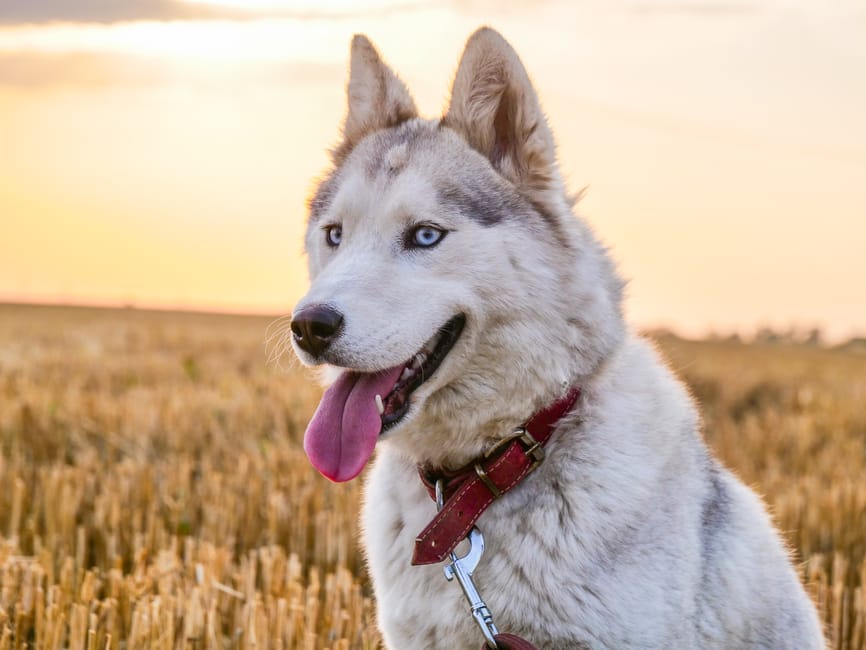
Understanding Reactivity in Siberian Huskies
Reactivity is a common behavioral issue among Siberian Huskies. It often manifests as barking, lunging, or growling at triggers such as other dogs, strangers, or fast-moving objects. It's important to distinguish reactivity from aggression—reactive dogs are often over threshold and unable to cope, not necessarily intending harm. Huskies, with their high prey drive, independent nature, and vocal tendencies, are prone to reactive outbursts. Understanding the root cause is the first step toward management.
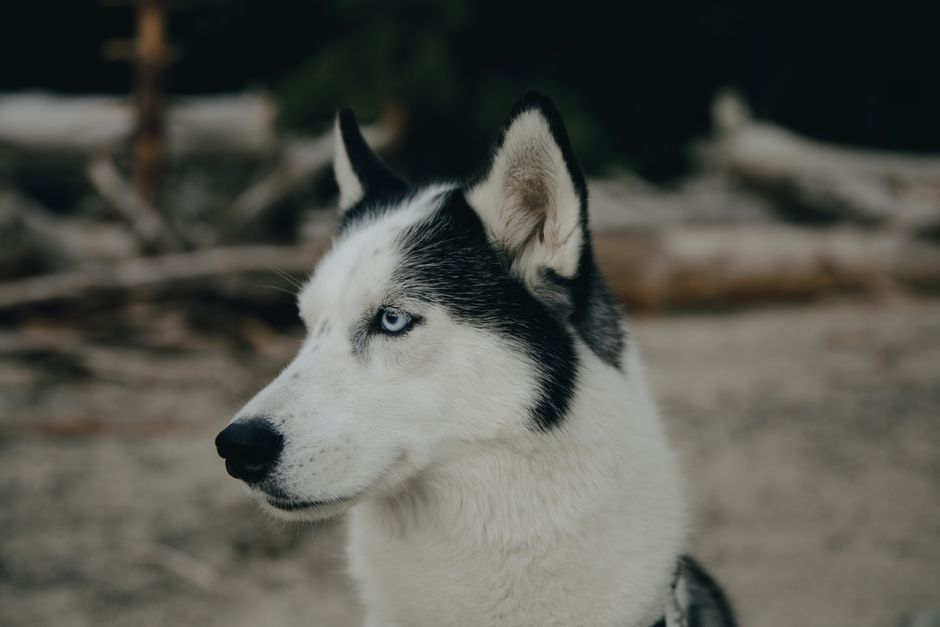
Identifying Your Husky's Triggers
Before you can manage reactivity, you must know what sets your Husky off. Common triggers include:
- Other dogs (especially off-leash or approaching directly)
- Joggers, cyclists, or skateboards
- Loud noises (fireworks, construction)
- Unfamiliar humans entering the home
- Sudden movements or fast objects (cars, squirrels)
Keep a reactivity log to track each incident. Note the trigger distance, your Husky’s response, and the environment. This data helps you identify patterns and set realistic training goals.
| Date | Trigger | Distance | Response | Outcome |
|---|---|---|---|---|
| Jan 5 | Golden Retriever | 50 ft | Barking, pulling | Turned around |
| Jan 7 | Jogger | 30 ft | Lunging, growling | Crossed street |
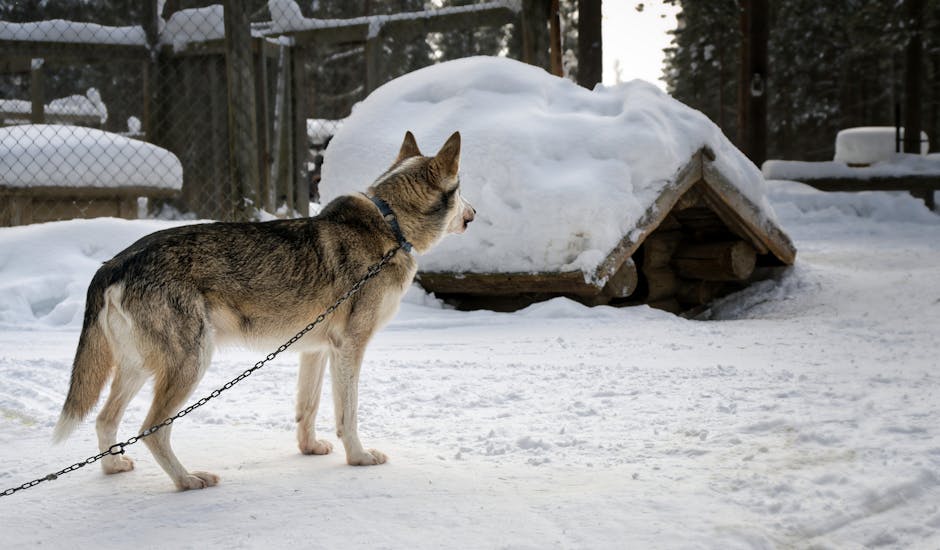
The Foundation: Management and Safety
Management prevents rehearsal of the reactive behavior. Key tools include:
- Front-clip harness or head halter for better control
- Basket muzzle to ensure safety during walks (not a punishment)
- Long leash (15-30 ft) for decompression walks in low-traffic areas
- High-value treats (e.g., boiled chicken, cheese) for training
- Visual barriers like a car or bushes to block triggers
During management phase, avoid putting your Husky in situations where they will exceed their threshold. Choose quiet walking times and routes. Practice emergency U-turns to create distance from triggers. Management is not forever—it creates a safe foundation for training.
Counter-Conditioning and Desensitization
Counter-conditioning changes your Husky’s emotional response to a trigger from negative (fear, arousal) to positive (anticipation of treats). Desensitization involves gradually exposing your dog to the trigger at a low intensity where they remain calm.
Step-by-Step Process
- Find the threshold distance where your Husky notices the trigger but does not react (e.g., 50 feet away from a calm dog).
- Marker: Use a clicker or a consistent word like “yes” to mark the moment your Husky sees the trigger.
- Treat immediately – feed a high-value treat after the marker. Repeat 5-10 times per session.
- As your Husky starts looking at the trigger then quickly looking back at you for a treat (the “engage-disengage” behavior), you can slowly decrease the distance by a few feet.
- Always work under threshold – if your Husky reacts, you’ve moved too close. Increase distance.
Consistency is key. Aim for short, frequent sessions (5-10 minutes) several times a day. Over weeks, your Husky will associate the trigger with good things.
Training Techniques for Reactive Huskies
Beyond CC&D, specific exercises help manage reactivity:
- Look at That (LAT): Teach a cue like “look” or “watch me.” When your dog looks at a trigger without reacting, mark and treat. Gradually add duration.
- Engage-Disengage: As described above—dog looks at trigger, then looks back at you. Reinforce the disengagement.
- Pattern Games: Simple patterns like “1-2-3 treat” (say 1,2,3, then toss a treat) create a predictable, calming routine during walks.
- Impulse Control Games: Practice “leave it,” “stay,” and “wait” at home. These strengthen self-control, which translates to better behavior near triggers.
- Mat or Bed Training: Teach your Husky to settle on a mat. Use it as a safe spot during stressful events.
Always pair training with calm, relaxed body language. Your Husky takes cues from you.
Exercise and Enrichment
A tired Husky is less likely to react, but not all exercise is equal. Over-exercising can increase arousal and worsen reactivity. Focus on:
- Structured walks (create rules: heel for part of the walk, sniff breaks later)
- Mental stimulation: puzzle toys, snuffle mats, scent games, obedience training
- Controlled play with calm, well-matched dog friends (avoid dog parks)
- Flirt pole to satisfy prey drive in a controlled way (use with a “drop it” cue)
- Nose work – hides treats or scents around the house or yard
Daily enrichment reduces cortisol and builds confidence. A balanced routine includes physical exercise, mental challenges, and plenty of rest.
When to Seek Professional Help
Some reactivity cases require professional intervention. Seek a certified behavior consultant (e.g., IAABC, CCPDT) if:
- Your Husky has bitten someone or another dog
- Reactivity escalates despite consistent training
- You feel unsafe or overwhelmed
- The dog shows signs of fear-based aggression (ears back, tucked tail, freezing)
- Your Husky cannot disengage even at large distances
A professional can create a tailored behavior modification plan and may recommend medication if underlying anxiety is present. Never punish reactive behavior—it usually worsens the problem.
Conclusion
Managing a reactive Husky takes patience, time, and consistency. Focus on understanding triggers, using management tools, and implementing positive training methods like counter-conditioning. With daily work and enrichment, many Huskies learn to cope better and enjoy a calmer life. Celebrate small victories and remember: your goal is not to “fix” your dog, but to help them feel safe in a world that often overwhelms them. For more Husky training tips, explore our other guides.