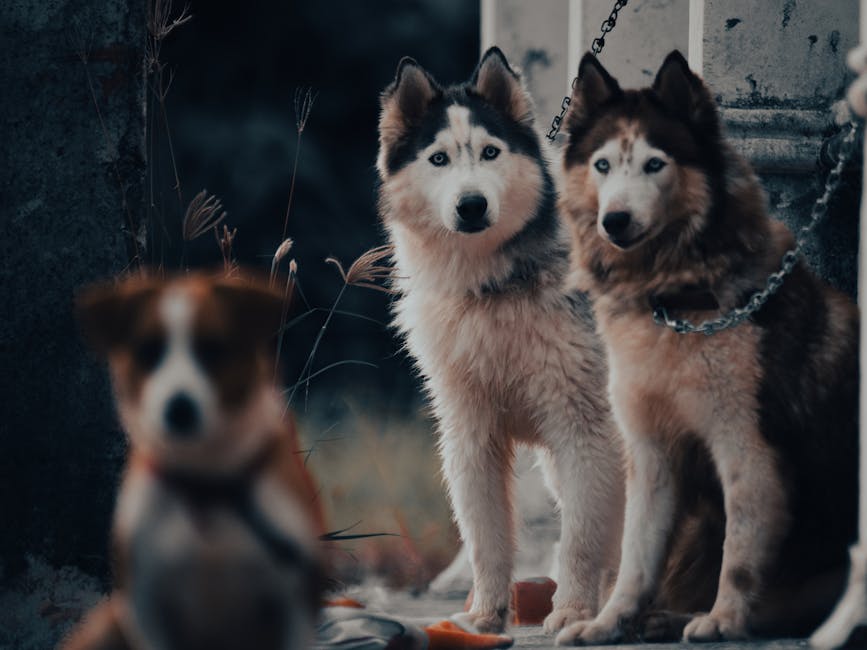
Understanding Resource Guarding in Siberian Huskies
Resource guarding is a common but challenging behavior in Siberian Huskies. This instinctive drive to protect valuable items—food, toys, beds, or even human attention—stems from their ancestral past as pack animals. In a domestic setting, guarding can escalate to growling, snapping, or biting if not addressed early. This guide dives deep into the causes, signs, and, most importantly, effective training solutions to help you and your Husky live harmoniously.
Why Do Huskies Resource Guard?
Huskies are intelligent, independent dogs originally bred for endurance and survival. In the harsh Siberian tundra, guarding resources was important for survival. Today, this trait can surface in various contexts:
- Food guarding: Protecting bowls, treats, or chews.
- Object guarding: Over toys, bones, or household items.
- Location guarding: Defending a favorite spot (couch, bed, crate).
- Human guarding: Becoming possessive of a specific person’s attention.
While genetics play a role, lack of early socialization, past negative experiences, or inconsistent training can exacerbate the behavior. Recognizing the underlying cause is the first step toward a tailored solution.
How to Identify Resource Guarding Signs
Before intervening, you must recognize the warning signs. Use this table to compare mild versus severe indicators:
| Mild Signs | Moderate Signs | Severe Signs |
|---|---|---|
| Freezing in place | Low growl or stiff body | Snapping without contact |
| Hard staring (whale eye) | Lifting lip to show teeth | Biting and holding |
| Blocking access with body | Lunging toward intruder | Redirected aggression |
| Eating faster when approached | Shaking or trembling near resource | Extreme guarding duration |
If your Husky shows severe signs, consult a professional trainer or veterinarian behaviorist before attempting any training.
Training Solutions for Resource Guarding
1. The "Trade-Up" Method
Teach your Husky that your approach means good things—not loss. Start with a low-value item (e.g., a kibble) and offer a high-value treat (like chicken) as you approach. Say "trade" and drop the treat away from the item. Gradually work up to more valuable items. Never forcefully remove an object; let them choose to trade.
2. Desensitization and Counterconditioning
Sit at a distance where your Husky notices you but shows no guarding. Toss high-value treats in their direction without taking the item. Over multiple sessions, slowly reduce the distance. The goal is to change their emotional response from "threat" to "reward."
3. Hand-Feeding to Build Trust
For puppies or newly adopted Huskies, hand-feed all meals for a few weeks. This reinforces that your hands provide resources, not remove them. Use a gentle, calm voice and let them lick the bowl afterward.
4. The "Drop It" and "Leave It" Cues
Practice these commands with low-value items first. Hold a treat in one hand and a toy in the other. Say "drop it" and reward when they release the toy. For "leave it," place a treat on the floor but cover it if they lunge. Reward when they look at you instead.
5. Management Strategies
Until training takes effect, prevent opportunities for guarding:
- Feed your Husky in a separate room or crate.
- Pick up toys and chews after playtime.
- Supervise interactions with children or other pets near resources.
- Use baby gates to create safe zones.
Management is not a permanent fix but reduces stress and practice of the unwanted behavior.
Common Mistakes to Avoid
- Punishment: Scolding or physically correcting guarding can increase fear and aggression.
- Testing: Deliberately taking items to "test" your Husky will erode trust.
- Inconsistency: One family member allowing guarding while others correct it confuses the dog.
- Rushing: Expecting rapid progress; resource guarding training can take weeks or months.
When to Seek Professional Help
If your Husky’s guarding escalates to biting, or if you have young children or elderly adults at home, work with a certified force-free trainer. Signs you need expert intervention include:
- Biting that breaks skin.
- Guarding multiple resources simultaneously.
- Guarding intensifying despite training.
- Aggression directed at family members.
A professional can create a customized plan and ensure safety.
Preventing Resource Guarding in Puppies
Start early to reduce the likelihood of guarding. Expose your Husky puppy to gentle handling while eating, touching their paws, ears, and mouth. Practice "take" and "give" with toys. Have family members take turns offering treats, so no single person becomes the sole resource provider. Crate training also gives your puppy a safe space where they can enjoy high-value items without interruption.
Living with a Recovering Resource Guarder
Once your Husky learns that your presence predicts rewards, you'll notice fewer stiff postures and more relaxed tail wags. Continue periodic trading exercises and reward calm behavior around resources. Maintain a routine that includes mental enrichment—puzzle toys, nose work, and training sessions—to channel their intelligence positively. With patience, consistency, and empathy, most Huskies can overcome resource guarding and become joyful companions.
Remember: resource guarding is not a sign of a "bad" dog—it's a survival instinct that clashes with modern living. You can reshape that instinct through trust, not force. Start today by implementing one technique at a time, and celebrate each small step forward.