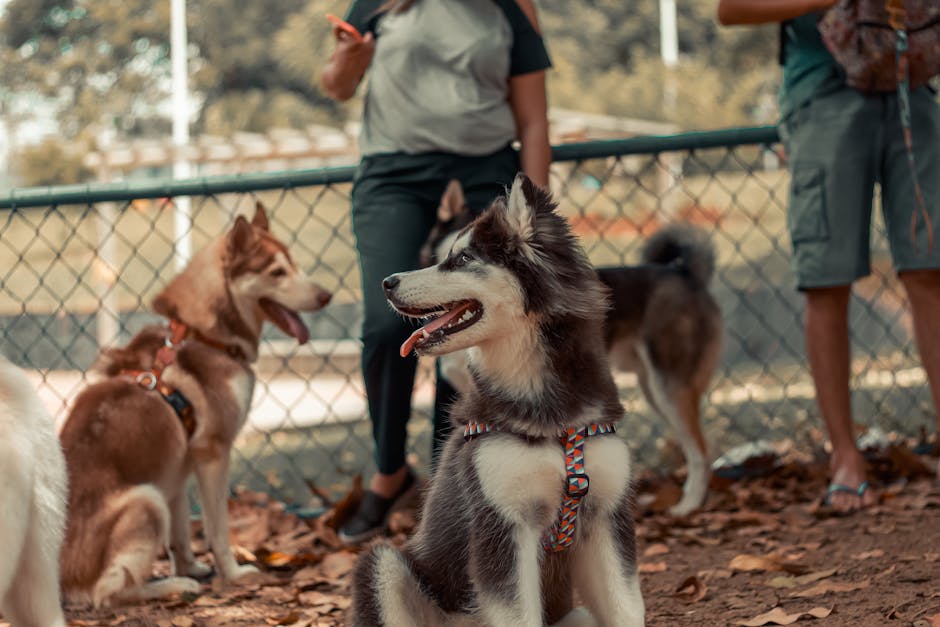
Understanding Reactivity in Siberian Huskies
Reactivity is an over-the-top response to a trigger, often seen as barking, lunging, growling, or snapping. While all dogs can exhibit reactivity, Siberian Huskies are particularly prone due to their high prey drive, independence, and strong-willed nature. Reactivity is not aggression—it's an emotional reaction rooted in fear, frustration, or overstimulation. Common signs include stiff body language, raised hackles, intense staring, and inability to take treats.
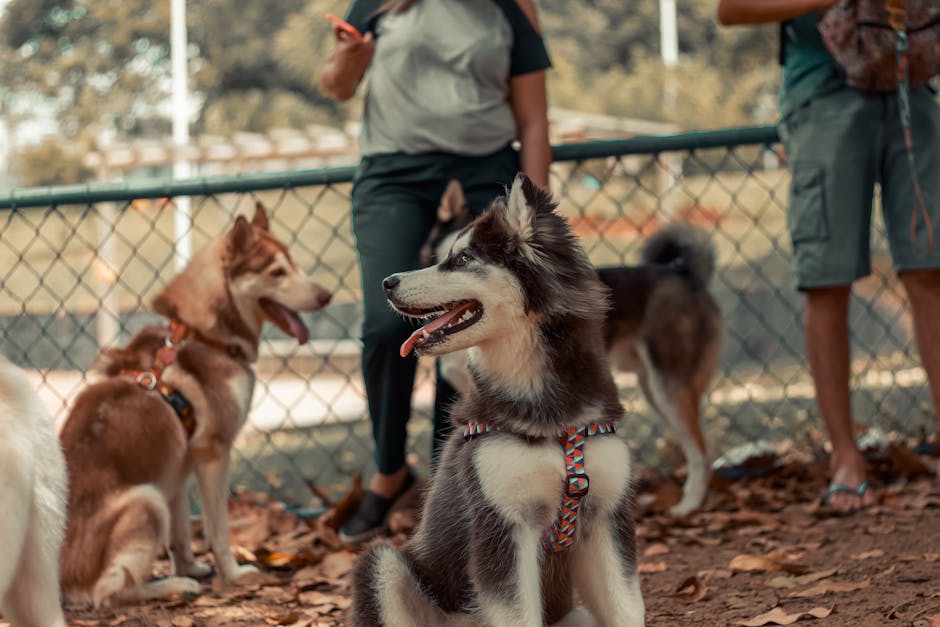
Why Are Huskies Often Reactive?
Huskies were bred to pull sleds in harsh Arctic conditions, working in packs and making quick decisions. This independent streak can make them less reliant on their human handlers. Key causes of reactivity in Huskies include:
- Lack of Early Socialization: Puppies not exposed to diverse people, animals, and environments may become fearful or overwhelmed as adults.
- High Prey Drive: Small animals, bikes, or even rustling leaves can trigger an instinctive chase response.
- Frustration: When a Husky wants to greet or chase but is held back by the leash, frustration can boil over into reactivity.
- Genetics and Temperament: Some lines are more high-strung or sensitive, making reactivity more likely.
- Lack of Mental Stimulation: Huskies need jobs. Without sufficient exercise and mental challenges, they can develop reactive outbursts as a way to release pent-up energy.
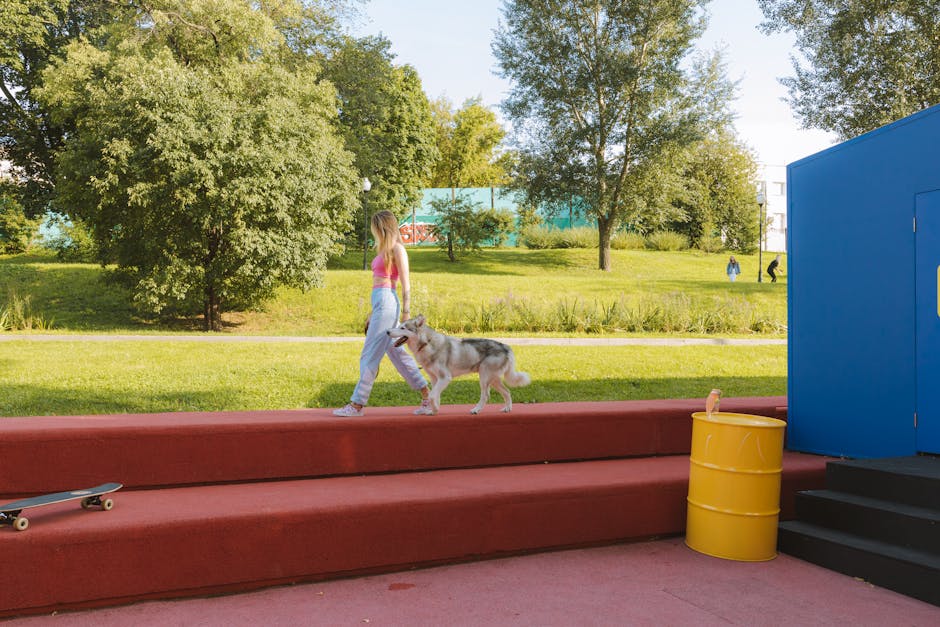
Step-by-Step Training Plan for a Reactive Husky
1. Manage the Environment First
Before you can train, you need to set your Husky up for success. Avoid triggers that push him over threshold. Use a front-clip harness or head halter for better control. Keep walks on a short leash (4–6 feet) and choose quiet times of day. At home, use baby gates or crates to create a calm space.
2. Identify Threshold Distance
Work out the distance at which your Husky first notices a trigger but hasn't yet reacted. This is his threshold. You'll train just outside that zone. For example, if he reacts to another dog at 100 feet, start working at 150 feet where he can see the dog but remain calm.
3. Counter-Conditioning and Desensitization (CC&D)
Teach your Husky that the trigger predicts something amazing. Use high-value treats (cheese, chicken, freeze-dried liver). When the trigger appears, immediately start feeding treats in a continuous stream. Stop treating when the trigger disappears. Repeat, gradually decreasing the distance by 10% every few sessions.
Pro tip: Pair the trigger with a cue like “Look at that” to create a conditioned emotional response. Over time, your Husky will look to you for treats when he sees a trigger, rather than reacting.
4. Teach an Incompatible Behavior
Train “watch me,” “touch,” or “mat” as a default behavior when a trigger appears. Practice these cues in low-distraction settings first. Then slowly introduce them near the threshold. For example, ask for a “touch” (nose to hand) as a trigger approaches. This redirects his focus and prevents rehearsing reactive behavior.
5. Use the “Engage-Disengage” Game
This is a powerful method for leash reactivity. While at threshold distance, let your Husky see the trigger. The moment he notices but doesn't react, mark (say “yes”) and toss a treat away from the trigger. Repeating this teaches him that looking at the trigger earns a reward, and disengaging earns an even better reward (the tossed treat). Eventually he will automatically turn back to you.
Practical Daily Management Tips
- Exercise First, Train Later: A tired Husky is more receptive. Start with a vigorous game of fetch or a sniffing walk before any reactivity training session.
- Use Calming Tools: A Thundershirt or Adaptil pheromone collar can reduce baseline anxiety.
- Stay Calm Yourself: Dogs read our tension. Use slow, loose-leash walking and a happy tone. If you tense up, your Husky will too.
- Practice “Look and Leave”: Teach your Husky to ignore triggers on cue. Throw treats on the ground and say “leave it” when he looks at a trigger.
- Set Up Structured Playdates: Only arrange play with very calm, neutral dogs. Avoid dog parks filled with unpredictable interactions.
- Never Punish Reactivity: Punishment increases fear and can worsen aggression. Instead, calmly remove your Husky from the situation.
Training Tools: What Works and What Doesn’t
| Tool | Effective? | Notes |
|---|---|---|
| Front-clip harness | Yes | Discourages pulling and gives better control without pain. |
| Head halter | Yes for some | Works well but needs careful acclimation; not for heavy pullers. |
| Choke chain/prong collar | No | Risk of injury and increased fear/anxiety. |
| Clicker | Yes | Great for precise timing in CC&D. |
| High-value treats | Essential | Use soft, smelly, bite-sized rewards. |
When to Seek Professional Help
If your Husky's reactivity includes biting, snarling, or if you feel unsafe, consult a certified dog behaviorist (CCPDT, IAABC). Also seek help if you've been following a plan consistently for 4–6 weeks without improvement. A professional can tailor a protocol and address underlying issues like anxiety or obsessive behavior.
Final Thoughts: Patience is Key
Managing reactivity in a Siberian Husky is not a quick fix. It requires consistency, understanding, and a lot of positive reinforcement. Celebrate small victories—a tail wag when seeing a dog instead of a lunge. With time, your reactive Husky can learn to navigate the world more calmly, and your bond will grow stronger because of the trust you've built through training.
Remember: You're not trying to change your Husky's personality. You're giving him the skills to cope with what frightens him. That's true partnership.