Bringing an adult Siberian Husky into your home can be an exciting adventure, but if they aren't reliably house trained, it can quickly become a challenge. Unlike puppies, adult Huskies may have ingrained habits—both good and bad—that require patience and a structured approach. The good news is that with the right methods, you can successfully house train an adult Husky in a matter of weeks. This comprehensive guide will walk you through proven techniques, from crate training to positive reinforcement, tailored specifically to the independent and intelligent nature of the Siberian Husky.
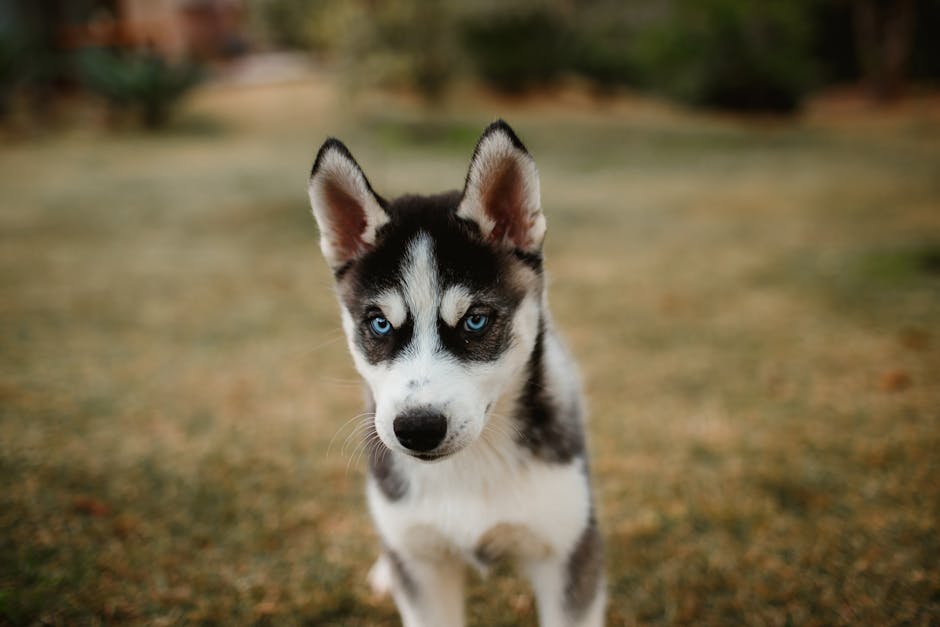
Understanding Why Your Adult Husky May Have Accidents
Before diving into training, it's important for understand the possible reasons behind accidents. Adult Huskies aren't starting from scratch; they may have previous training, or they may have developed bad habits. Common causes include:
- Inconsistent previous training: If the dog was never properly house trained, they may not understand the rules.
- Medical issues: Urinary tract infections, kidney problems, or age-related incontinence can cause accidents. Always rule out health issues with a vet first.
- Anxiety or stress: Moving to a new home, changes in routine, or separation anxiety can lead to accidents.
- Marking behavior: Unneutered males may mark territory, but even neutered dogs can mark in response to new environments or other animals.
- Lack of schedule: Huskies thrive on routine. Without consistent potty breaks, accidents are inevitable.
Observing your Husky's behavior and understanding these factors will help you tailor your approach.
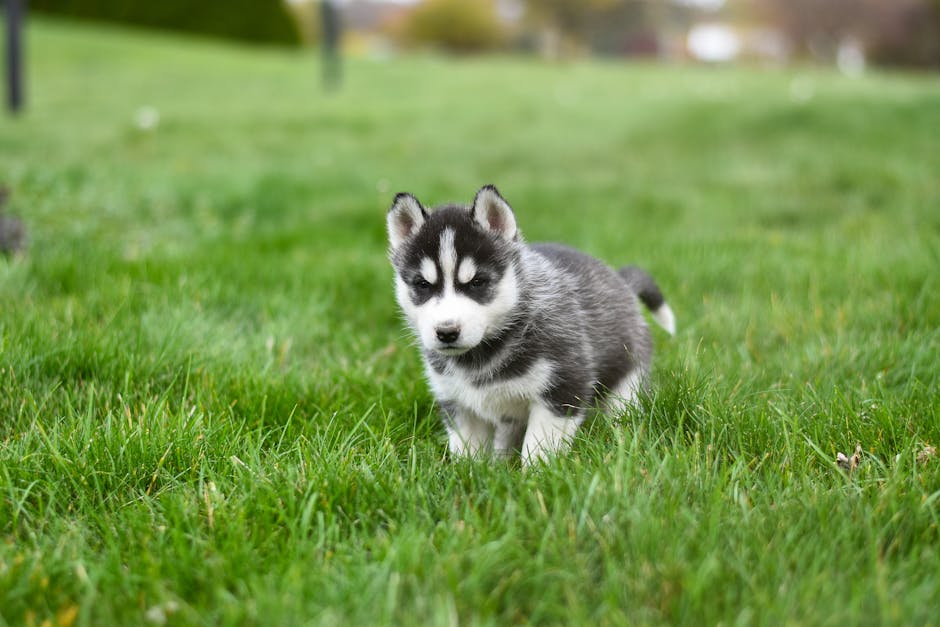
Preparation: Setting Up for Success
Proper preparation is key to house training an adult Husky. You need to create an environment that encourages the right behavior.
The Right Crate
A crate is a powerful tool for house training because dogs naturally avoid soiling their den. Choose a crate that is just large enough for your Husky to stand, turn around, and lie down comfortably. If the crate is too large, they may use one corner as a bathroom. Introduce the crate positively with treats, toys, and short sessions.
Designated Potty Area
Choose a specific spot outside where you want your Husky to eliminate. The scent will encourage them to go there. Take them to this spot consistently, especially after meals, waking up, and playtime.
Cleaning Supplies
Accidents will happen. Use an enzymatic cleaner specifically designed for pet stains to eliminate odors. If your Husky can still smell the scent, they'll be drawn to eliminate there again.
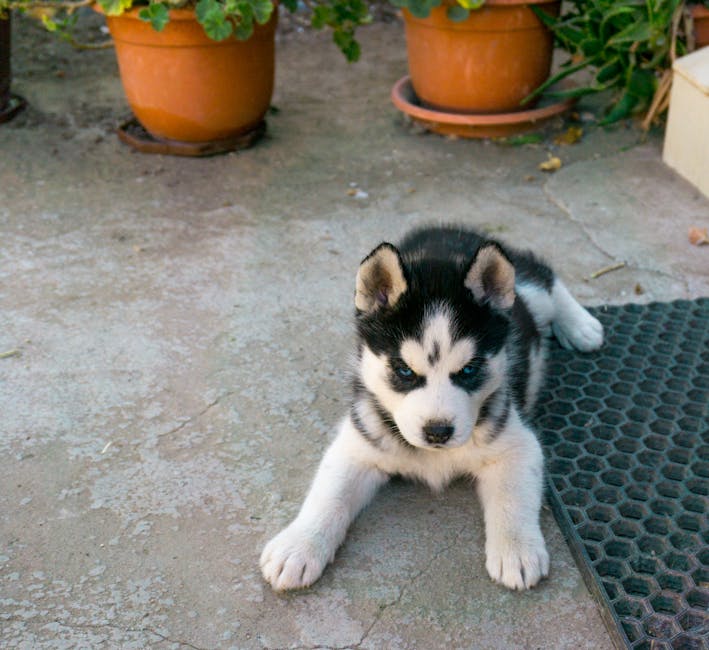
The Proven Crate Training Method
Crate training is the cornerstone of house training an adult Husky. Follow these steps:
- Start slow: Crate your Husky for short periods while you're home. Give them a high-value treat or toy. Gradually increase the time.
- Establish a potty schedule: Take your Husky outside immediately after letting them out of the crate. Use a command like "go potty" and reward success.
- Never use the crate as punishment: The crate should be a safe, positive space.
- Overnight crating: Most adult Huskies can hold their bladder for 6-8 hours overnight. If your dog is prone to accidents, set an alarm for a middle-of-the-night potty break initially.
A typical schedule might look like this:
| Time | Activity |
|---|---|
| 7:00 AM | Let out of crate, immediate potty break |
| 7:30 AM | Breakfast, followed by another potty break |
| 9:00 AM | Crate or supervised time |
| 12:00 PM | Potty break, then playtime |
| 3:00 PM | Potty break |
| 5:00 PM | Potty break, dinner |
| 7:00 PM | Evening walk and potty |
| 10:00 PM | Final potty break, then crate for night |
Establishing a Consistent Schedule
Huskies are creatures of habit. A consistent daily schedule helps them learn when it's time to eliminate. Here's how to build one:
- Feed meals at the same times each day. A predictable eating schedule leads to predictable elimination.
- Take your Husky out first thing in the morning, after each meal, after naps, after playtime, and before bed.
- Use a timer if needed—every 2-3 hours initially, then gradually extend.
- Always use the same door to go outside, and go directly to the potty spot.
Consistency is especially important for adult dogs who need to unlearn old habits.
Positive Reinforcement Techniques
Huskies respond best to positive reinforcement because of their independent nature. Avoid punishment, which can cause fear and make house training harder. Instead:
- Praise enthusiastically and give a high-value treat immediately after your Husky eliminates in the right spot.
- Use a consistent verbal cue like "go potty" or "hurry up" before they go, and reward when they finish.
- Keep treats in a pouch near the door so you can reward promptly.
- If you catch your Husky in the act of having an accident indoors, interrupt with a clap or a firm "No!" and immediately take them outside. Do not scold after the fact—they won't connect it.
Huskies can be stubborn, but they are also food-motivated. Find what treats your dog loves—small pieces of chicken, cheese, or commercial training treats work well.
Supervision and Confinement
Until your adult Husky is completely reliable, you must supervise them at all times when they are not in their crate. This prevents accidents and gives you the chance to catch cues. Signs your Husky needs to go out include:
- Sniffing the ground
- Circling
- Whining
- Pacing
- Scratching at the door
If you cannot supervise, confine your Husky to a small, puppy-proofed area with easy-to-clean floors or use the crate. Use baby gates to block off rooms where accidents are more likely.
What to Do When Accidents Happen
Accidents are part of the process. When they happen, stay calm:
- Clean the area thoroughly with an enzymatic cleaner to remove all traces of odor.
- Do not rub your Husky's nose in it or yell—this will only damage trust.
- Reflect on what went wrong: Was the schedule off? Did you miss a cue? Adjust accordingly.
- Go back to basics: increase potty breaks and supervision.
Remember, adult Huskies can learn new habits, but it may take more time than with a puppy. Patience is key.
Common Challenges and Solutions
Stubbornness or Refusing to Go Outside
Some Huskies may refuse to eliminate on leash or in certain weather. To overcome this, take them to the same spot and wait calmly for up to 10 minutes. If they don't go, bring them inside, put them in a crate for 15 minutes, and try again. Reward any effort.
Marking in the House
If your Husky marks furniture or walls, neutering may reduce the behavior. Additionally, limit access to areas where marking occurred, clean thoroughly, and supervise closely. Use belly bands for males if needed.
Submissive or Excitement Urination
Some Huskies urinate when excited or when greeting. Avoid loud greetings; instead, greet calmly and take them outside immediately. If submissive urination is an issue, avoid direct eye contact and crouching down.
When to Seek Professional Help
If you've been consistent for 4-6 weeks without significant progress, or if your Husky shows signs of fear, anxiety, or aggression, consult a professional dog trainer or a veterinary behaviorist. They can assess for underlying issues and provide a customized plan.
Final Tips for Long-Term Success
- Be patient and consistent—house training an adult Husky can take 4 to 8 weeks.
- Keep a log of accidents and successes to identify patterns.
- Involve all family members to ensure everyone follows the same rules.
- Gradually increase freedom as your Husky proves reliable.
- Never give up—your Husky wants to please you; they just need clear guidance.
With these proven methods, you can successfully house train your adult Siberian Husky and enjoy a clean, harmonious home.