Understanding Separation Anxiety in Huskies
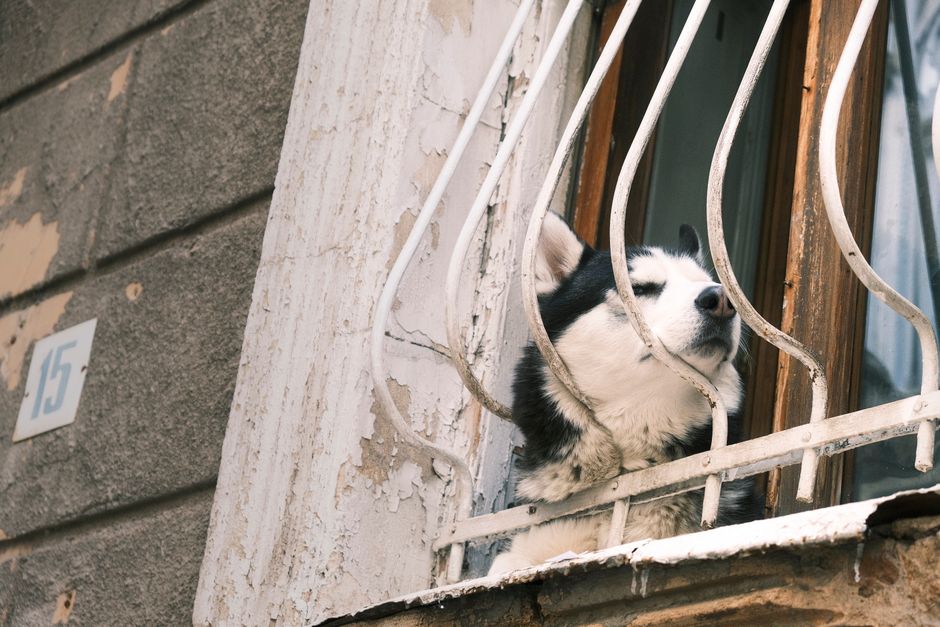
Siberian Huskies are pack-oriented, intelligent, and energetic dogs known for their strong bond with their human families. This breed thrives on companionship and activity, which makes them particularly prone to separation anxiety—a condition where a dog experiences extreme distress when left alone. Separation anxiety in Huskies isn't stubbornness or spite; it's a genuine panic response triggered by isolation. Understanding the distinction between normal boredom and anxiety is critical for effective training.
Signs and Symptoms of Separation Anxiety
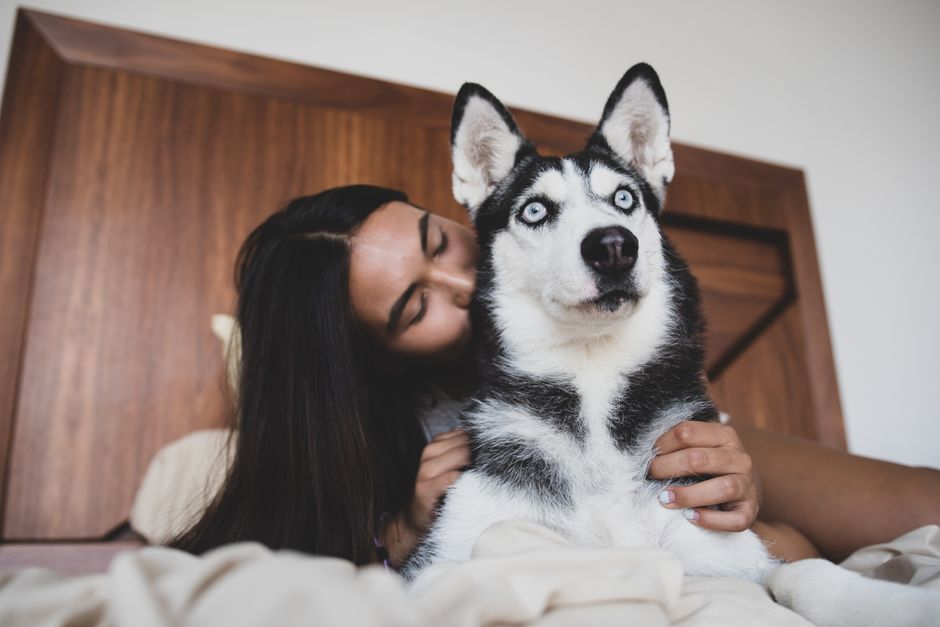
Recognizing the signs early can prevent the problem from escalating. Common symptoms include:
- Excessive barking or howling especially within minutes of you leaving.
- Destructive behavior focused on doors, windows, or your belongings (chewing, scratching).
- Accidents indoors despite being house-trained.
- Pacing, drooling, or panting when you prepare to leave.
- Attempts to escape which can lead to injury.
It's important to differentiate separation anxiety from lack of exercise or training. If your Husky only acts out when left alone and shows relief upon your return, anxiety is likely the cause.
Preparation Before Training
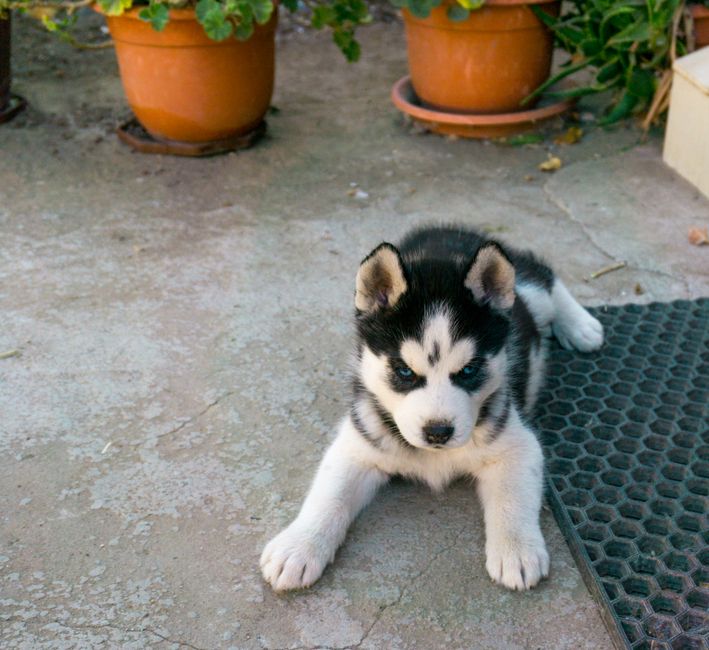
Before starting any separation anxiety training, ensure your Husky's basic needs are met. A tired dog is a relaxed dog. Provide at least 60–90 minutes of vigorous exercise daily, including walks, runs, or interactive play. Mental stimulation through puzzle toys, obedience sessions, or nose work also helps reduce overall stress. Additionally, rule out any medical issues by consulting your veterinarian.
Create a 'safe space' for your Husky—a crate or a quiet room with comfortable bedding and familiar toys. However, never force a dog into a crate if they associate it with being shut away from you; we'll cover proper crate training later.
Step-by-Step Training Techniques
1. Gradual Desensitization to Departure Cues
Huskies quickly learn the signals that precede your departure: picking up keys, putting on shoes, grabbing a coat. To break this association, perform these actions randomly without leaving. For example, jingle your keys and then sit down to watch TV. Repeat until your Husky no longer reacts anxiously to these cues.
2. Counter-Conditioning for Alone Time
Change your Husky's emotional response to being alone by pairing it with something wonderful. Give your dog a high-value treat or a stuffed Kong (filled with peanut butter, yogurt, or kibble) only when you are about to leave. Over time, your dog will begin to look forward to your departure because it predicts a special reward. Start with very short absences (30 seconds) and gradually increase duration.
3. Gradual Alone Time Training
Practice leaving your Husky alone for increasingly longer periods. Use a timer and return before your dog becomes distressed. The goal is to return while your dog is still calm.
| Day | Absence Duration | Number of Repetitions |
|---|---|---|
| 1-2 | 30 seconds | 5-6 times |
| 3-4 | 1 minute | 4-5 times |
| 5-6 | 2 minutes | 3-4 times |
| 7-8 | 5 minutes | 3 times |
| 9-10 | 10 minutes | 2-3 times |
| 11+ | 15-30 minutes | 2 times |
Progress to longer durations only when your Husky remains calm during each absence. Rushing can cause setbacks.
4. Ignore Arrivals and Departures
Many owners unintentionally reinforce anxiety by making a big fuss when leaving or returning. Instead, leave and come back with minimal emotion. Wait for your Husky to calm down before greeting them. This communicates that being alone is no big deal.
Creating a Safe and Enriching Environment
While you're away, leave background noise like calming music or a TV show to drown out external sounds that might trigger your Husky. Provide interactive toys that dispense treats (e.g., Kong Wobbler, treat puzzle) and rotate the toys to keep them novel. If your Husky is comfortable in a crate, use it as a den; otherwise, use a baby gate to confine them to a safe, pup-proofed area.
Important: Never use punishment for anxiety-related destruction. Punishment increases fear and worsens the problem.
Advanced Tips for Severe Cases
For Huskies with intense separation anxiety, consider these advanced strategies:
- Behavioral medication: Consult a veterinary behaviorist about anti-anxiety medications (e.g., fluoxetine, clomipramine). These can lower your dog's baseline stress so training is more effective.
- ThunderShirt or anxiety wraps: Gentle pressure can provide a calming effect.
- Calming supplements: L-theanine, melatonin, or CBD oil (under vet guidance) may help.
- Dog walkers or doggy daycare: Breaking up the alone time can reduce anxiety.
- Webcam monitoring: Observing your Husky's behavior remotely helps you adjust training timing.
When to Seek Professional Help
If you've been training consistently for several weeks with no improvement, or if your Husky's behavior poses a danger to themselves (e.g., breaking teeth on crates, escaping), seek help from a certified dog behaviorist or a veterinary behaviorist. They can design a custom desensitization plan and rule out other issues.
Conclusion
Training a Husky with separation anxiety requires patience, consistency, and empathy. this is not a training 'failure'—your Husky's anxiety is a genuine emotional struggle. By using gradual desensitization, counter-conditioning, and environmental management, you can help your dog feel safe and calm when alone. Each small step forward is a victory. Stay positive, and don't hesitate to enlist professional support when needed.