Is an Apartment Right for a Husky?
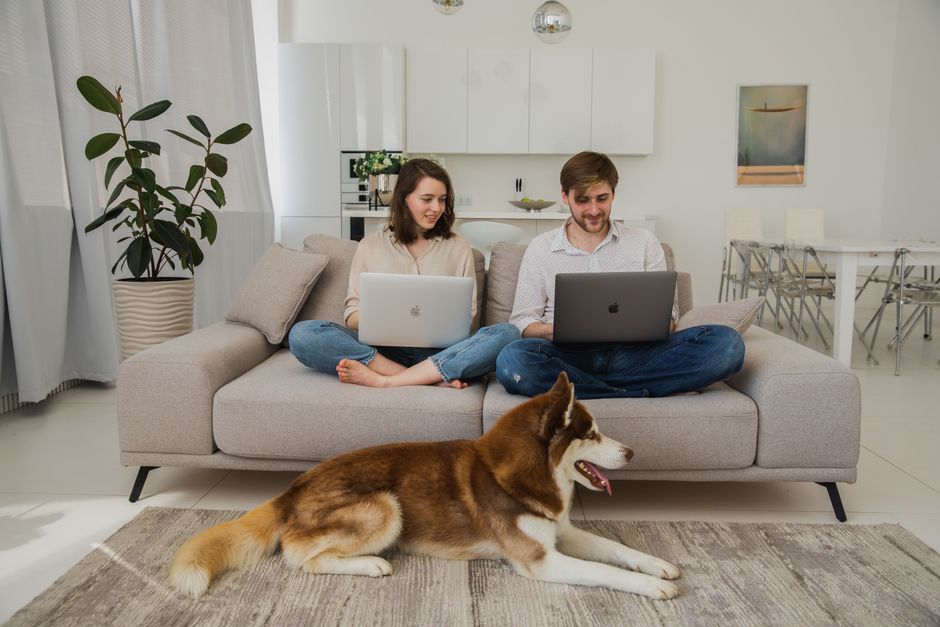
Many people wonder if a high-energy breed like the Siberian Husky can thrive in an apartment. The answer is yes, but it requires dedication, structure, and a solid training plan. Huskies are intelligent, independent, and known for their endurance. Without proper training and stimulation, they can become destructive or develop undesirable behaviors. This guide will walk you through every aspect of apartment training for your Husky, from potty training to managing their famous vocalizations, ensuring a harmonious life together.
The Foundation: Potty Training in an Apartment
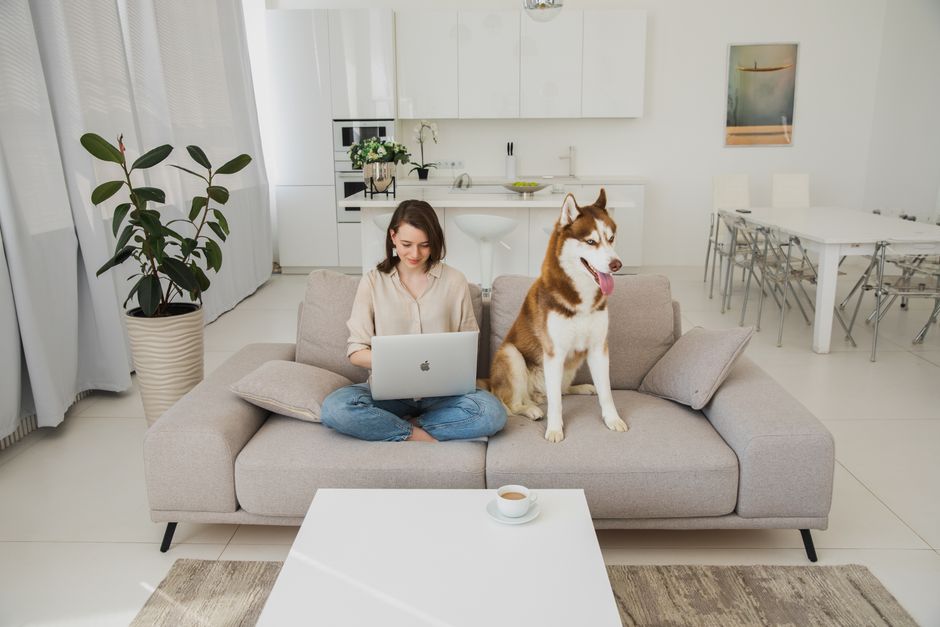
Potty training a Husky in an apartment presents unique challenges, especially if you live on a high floor. Start with a consistent schedule: take your puppy out first thing in the morning, after every meal, after naps, and before bedtime. Use a designated spot outside and always reward with treats and praise. For those with limited access to outdoors, consider using potty pads on a balcony or a designated indoor patch with real grass. Never scold for accidents—instead, clean thoroughly with an enzymatic cleaner to remove scents. Crate training can also support potty training by limiting your Husky’s space and encouraging them to hold it.
Crate Training: Your Husky’s Safe Haven
Crate training is crucial for apartment living. It provides a den-like space where your Husky can relax, reduces anxiety, and aids in potty training. Choose a crate large enough for your Husky to stand, turn around, and lie down. Introduce the crate gradually: start with the door open, toss treats inside, and let your Husky explore. Never use the crate as punishment. Feed meals in the crate and offer a special chew toy only when inside. For apartment dwellers, crating when you’re away prevents destructive behavior and helps with housetraining. Aim to crate your Husky for no more than 4-5 hours at a time; if you work longer, arrange for a midday break.
Exercise Without a Yard: Creative Solutions
Huskies need at least 1-2 hours of vigorous exercise daily. Without a yard, you’ll need to get creative. Schedule two brisk walks (morning and evening), plus a run or bike stint if possible. Use a harness for control and avoid retractable leashes in tight spaces. Incorporate stairs: running up and down a few flights is great for cardio. Visit nearby dog parks for off-leash play, but ensure your Husky has reliable recall first. Consider a treadmill designed for dogs—many Huskies learn to enjoy it. Indoor games like fetch on a long hallway, tug-of-war, or hide-and-seek can supplement. Mental exercise is equally important: puzzle toys, scent games, and training sessions tire them out.
Mental Stimulation: Preventing Boredom
A bored Husky is a destructive Husky. In an apartment, mental stimulation is your best friend. Use food puzzles, snuffle mats, and treat-dispensing toys during meals. Teach new tricks daily—Huskies love learning but may need patience due to their independence. Practice “settle” training: reward calm behavior on a mat. Rotate toys to keep them novel. Another effective technique is “find it”—hide treats around the apartment for your Husky to sniff out. Mental tiredness often works better than physical exhaustion for this breed. A tired Husky is a quiet Husky, which is critical for apartment neighbors.
Training for Quiet: Managing Barking
Huskies are naturally vocal: they howl, whine, and “talk.” While you can’t eliminate this, you can teach a quiet command. Start by saying “quiet” in a calm, firm voice when your Husky barks, and reward the moment they stop. Use positive reinforcement; never yell. Counter-condition triggers: if your Husky barks at outside noises, play white noise or calming music. Teach an alternative behavior like going to a mat when the doorbell rings. For excessive howling when left alone, address potential separation anxiety (next section). Remember, some barking is normal—aim for management, not silence.
Separation Anxiety: Helping Your Husky Cope
Huskies are pack-oriented and can develop separation anxiety in apartments where they’re isolated. Signs include destructive scratching near doors, howling, or potty accidents. Gradually desensitize your Husky to departure cues (like picking up keys). Practice short departures, starting with seconds and building to longer periods. Provide a high-value frozen Kong or long-lasting chew before you leave. Leave on a TV or radio for company. In severe cases, consult a veterinary behaviorist or consider doggy daycare. Never punish anxious behavior; it exacerbates the issue. A confident, well-exercised Husky is less likely to suffer.
Apartment Etiquette: Boundaries and Socialization
Living with neighbors means your Husky must be well-mannered in common areas. Teach “wait” at doors and elevators. Socialize your Husky to other dogs and people calmly—use treats and calm praise. In hallways, keep your Husky on a short leash and ask them to sit as people pass. Create clear boundaries at home: designate off-limits areas (e.g., kitchen) and use baby gates if needed. Crate training also helps enforce boundaries. Remember, a well-trained Husky is a welcome resident.
Feeding and Routine in a Small Space
Feed your Husky in a quiet corner of the apartment, away from foot traffic. Use a slow feeder bowl to prevent bloat and encourage slower eating. Stick to a consistent feeding schedule—twice daily for adults—to regulate digestion and potty timing. Keep fresh water available. Proper nutrition helps maintain energy levels and coat health. In small kitchens, store food in airtight containers to prevent your food-motivated Husky from breaking in.
Conclusion: Making It Work
Training a Husky for apartment living is challenging but rewarding. Consistency, patience, and exercise are key. Celebrate small victories—like a calm elevator ride or a quiet evening. With the right strategies, your Husky can be a happy, well-adjusted apartment dog. Remember, you’re not just training your Husky; you’re adapting your lifestyle to meet their needs. Enjoy the journey and the unique bond that forms with these incredible dogs.