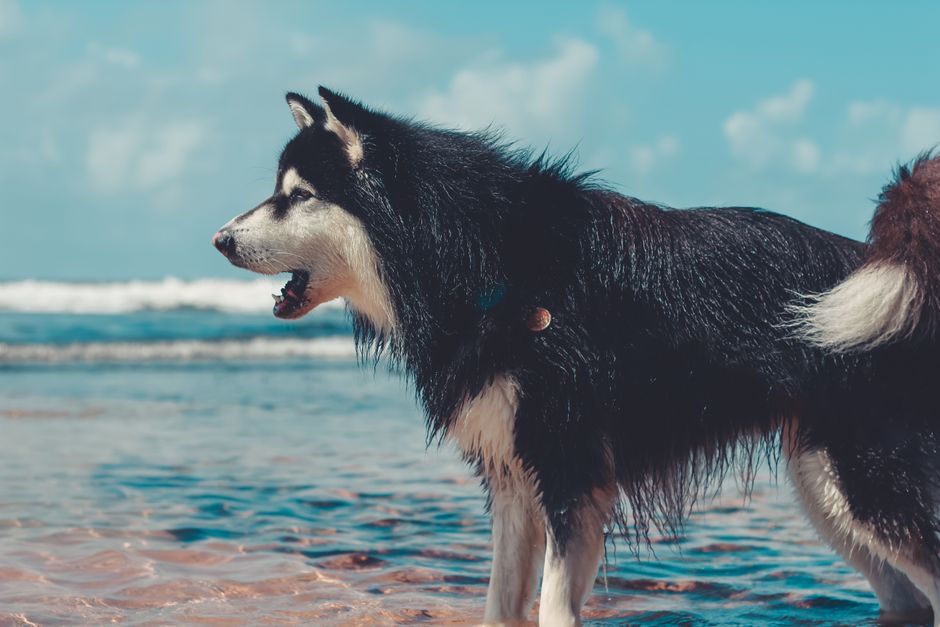
Why Do Huskies Bark?
Siberian Huskies are known for their vocal nature. Unlike many other breeds, they rarely bark excessively without reason. Instead, they howl, whine, and 'talk' to communicate. Understanding the root causes of barking is the first step in effective training. Common triggers include boredom, loneliness, excitement, fear, or territorial instincts. Huskies are pack animals and may bark to alert you to perceived threats or simply to get your attention. By recognizing these triggers, you can tailor your training approach to address the specific cause.
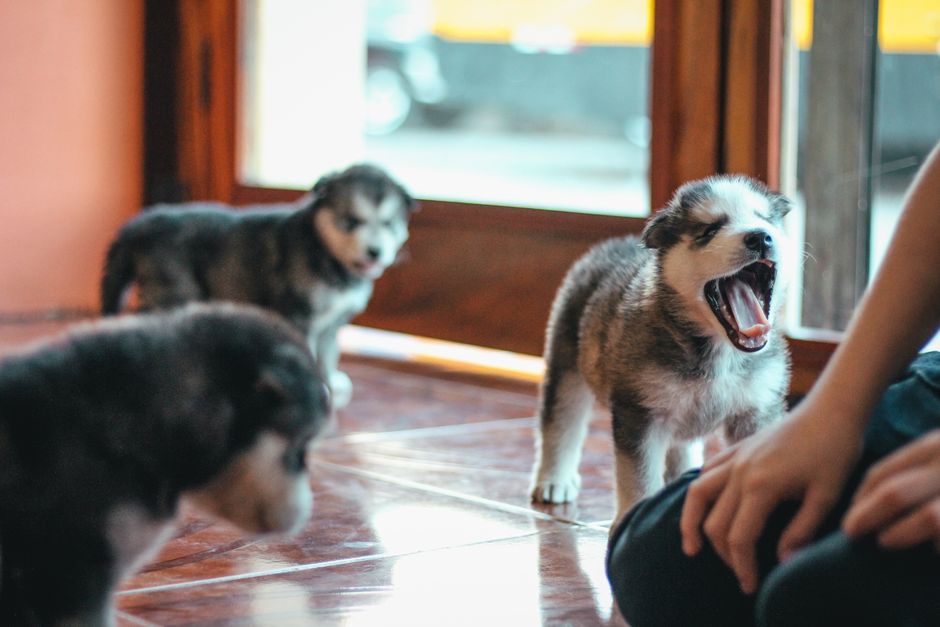
The Key to Successful Bark Training: Consistency and Positive Reinforcement
Training a Husky to bark less requires patience, consistency, and positive reinforcement. These intelligent dogs respond best to reward-based methods. Punishment can backfire, increasing anxiety and causing more barking. Instead, focus on teaching an alternative behavior, such as 'quiet' on command, and rewarding calm behavior. Consistency across all family members is crucial; if one person allows barking and another doesn't, your Husky will be confused. Use the same verbal cues and hand signals every time.
Step-by-Step Husky Barking Training Tips
Tip 1: Identify the Trigger
Keep a log of when your Husky barks. Is it when someone knocks, when they see another dog, or when left alone? Once you identify the pattern, you can begin desensitization or management. For example, if your Husky barks at passersby, close the curtains or restrict access to windows. This reduces the exposure while you work on training.
Tip 2: Use the 'Quiet' Command
Teach your Husky the 'quiet' command in a calm environment. When they bark, say 'quiet' in a firm but gentle tone. As soon as they stop (even for a second), reward with a treat and praise. Gradually increase the duration of silence required before rewarding. Practice in short sessions, and eventually add distractions. Remember, the goal is to associate the command with stopping barking, not with fear.
Tip 3: Desensitization and Counter-Conditioning
If your Husky barks at specific triggers (e.g., the doorbell), you can use desensitization. Play a recording of the sound at a low volume and reward calm behavior. Slowly increase the volume over days or weeks. Pair the trigger with something positive like treats or play. This changes your dog's emotional response from alertness to anticipation of good things.
Tip 4: Provide Adequate Exercise and Mental Stimulation
A tired Husky is a quiet Husky. These high-energy dogs need at least 1-2 hours of vigorous exercise daily, plus mental challenges like puzzle toys, obedience training, or nose work. Boredom is a leading cause of nuisance barking. A well-exercised and mentally stimulated Husky is less likely to bark out of frustration or excess energy.
Tip 5: Avoid Punishment
Never yell, hit, or use shock collars to stop barking. This can damage your bond and increase fear-based barking. Huskies are sensitive and may become more anxious. Instead, ignore attention-seeking barking (by turning away or leaving the room) and reward quiet moments. If your Husky barks for a reason like needing to go outside, address that need calmly.
What Not to Do When Training a Husky to Stop Barking
- Do not use anti-bark collars – they can cause pain and anxiety, especially in a sensitive breed like the Husky.
- Do not shout – your dog may think you're joining in, making the barking worse.
- Do not lock them away – isolation can lead to separation anxiety and increased vocalization.
- Do not give in to demands – if your Husky barks for food or attention, wait for silence before complying.
Common Barking Scenarios and Solutions
| Scenario | Possible Cause | Solution |
|---|---|---|
| Barking at the door | Territorial alert | Teach 'go to mat' and reward calm behavior when doorbell rings. |
| Barking when left alone | Separation anxiety | Gradual departures, provide interactive toys, consider professional help. |
| Barking at other dogs on walks | Excitement or fear | Use counter-conditioning, maintain distance, and reward focus on you. |
| Barking for attention | Learned behavior | Ignore completely, then reward quiet moments with attention. |
Conclusion
Training your Husky to bark less is a journey that requires understanding, patience, and consistency. complete silence is unrealistic and unnecessary – Huskies are naturally vocal. The goal is to manage excessive barking and teach your dog appropriate times to be quiet. With positive reinforcement, plenty of exercise, and clear communication, you can enjoy a harmonious relationship with your vocal companion. If you're struggling, consider consulting a professional trainer who specializes in positive methods. Start implementing these tips today, and soon you'll notice your Husky barking only when it truly matters.