Introduction
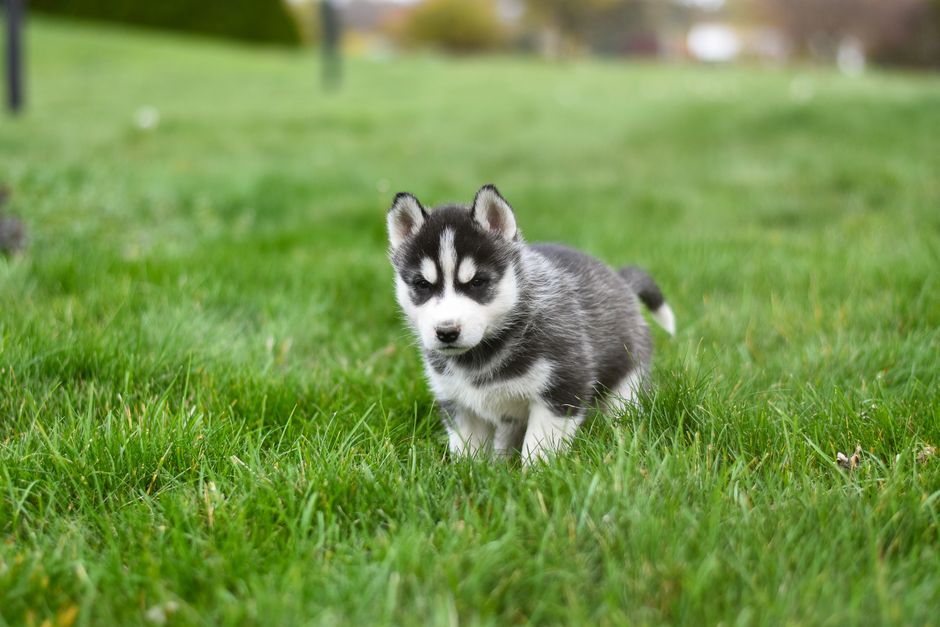
Bringing home a Siberian Husky puppy is an exciting adventure, but it also comes with the responsibility of proper obedience training. Huskies are intelligent, independent, and energetic dogs, which can make training a challenge without the right approach. This comprehensive guide will walk you through everything you need to know to raise a well-behaved Husky puppy, from basic commands to advanced techniques.
Why Start Obedience Early?
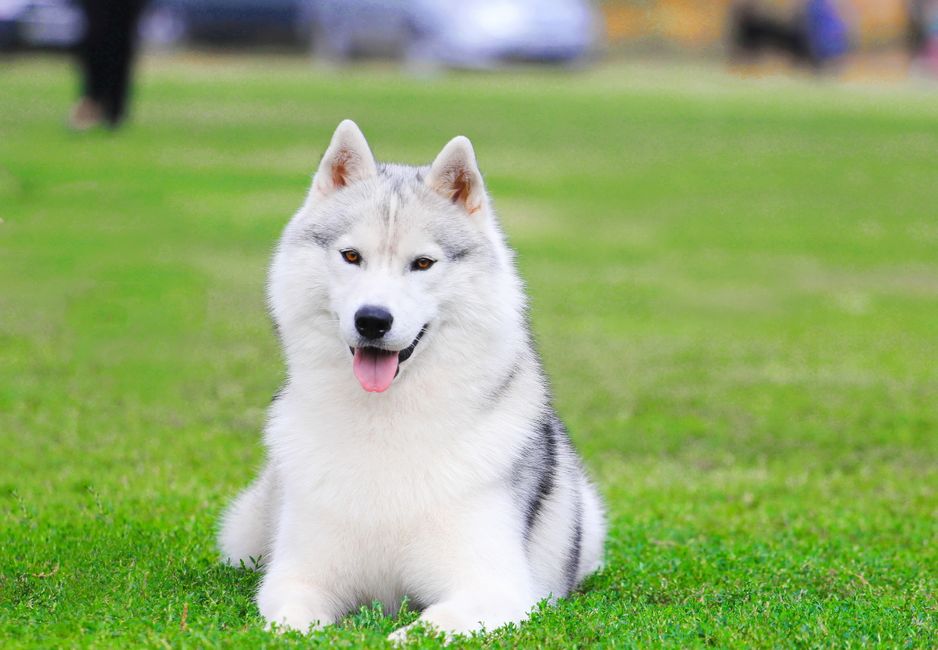
Husky puppies have a critical socialization period between 3 and 16 weeks. Starting obedience training early helps prevent stubborn behaviors and establishes a strong bond. Early training also channels their high energy into positive habits, reducing destructive chewing and excessive barking.
Basic Commands Every Husky Should Know
Sit
Start in a quiet area with treats. Hold a treat above your puppy’s nose, then move it back over their head. As they look up, their bottom will naturally lower. Say “Sit” as they do and reward immediately. Practice in short sessions.
Stay
Ask your puppy to sit, then open your palm and say “Stay.” Take one step back, then return and reward. Gradually increase distance and duration. Huskies are easily distracted, so use high-value treats.
Come
Use a long leash in a safe area. Crouch down, say “Come” in an excited tone, and gently pull the leash if needed. Reward with praise and treats when they reach you. Never scold for coming late; always make it a positive experience.
Heel
Huskies tend to pull, so loose-leash walking is essential. Hold treats at your hip and reward frequently when your puppy walks beside you without tension. Use a front-clip harness for better control.
Leave It
Place a treat in your closed fist and let your puppy sniff. Say “Leave it” and wait for them to lose interest. When they look away, reward with a different treat from your other hand. Practice with items on the ground.
| Command | Difficulty | Tips |
|---|---|---|
| Sit | Easy | Use high-value treats, keep sessions short |
| Stay | Medium | Start with 1 second, gradually increase |
| Come | Medium | Always reward, never punish |
| Heel | Hard | Use treats at hip level, practice in low-distraction areas |
| Leave It | Hard | Trade with something better |
Leash Training and Walking
Huskies are bred to run, so leash training is crucial. Start with a properly fitted harness. Allow your puppy to drag the leash indoors first, then pick it up. Reward calm walking. If they pull, stop moving until they relax. Consistency is key; aim for daily walks of 20–30 minutes after full vaccination.
Crate Training for Obedience
Crate training provides a den-like space and aids in housebreaking. Introduce the crate with the door open, placing treats inside. Gradually close the door for seconds, then minutes. Never use the crate as punishment. Huskies have high separation anxiety, so make the crate comfortable with a soft bed and chew toy.
Socialization: The Foundation of Good Behavior
Expose your Husky puppy to different people, dogs, sounds, and environments before 16 weeks. Enroll in a puppy kindergarten class. Reward calm behavior and avoid flooding (overwhelming them). Socialization prevents fear-based aggression and makes obedience training easier.
Common Challenges and Solutions
Stubbornness
Huskies are independent. Use high-value rewards (chicken, cheese) and vary training locations. Keep sessions fun and short (5–10 minutes).
Digging and Chewing
Provide appropriate outlets like puzzle toys, frozen Kongs, and a digging pit. Redirect to approved items and reward when they use them.
Howling
Huskies are vocal. Teach “Quiet” by saying it when they bark, then rewarding silence. Desensitize to triggers like doorbells.
Positive Reinforcement: The Only Way to Train
Huskies respond poorly to punishment. Use treats, praise, or play as rewards. Avoid verbal or physical corrections; they can damage trust. Clicker training is highly effective for marking desired behaviors.
Consistency and Routine
Set a daily schedule for feeding, walks, and training sessions. Use consistent verbal cues and hand signals. All family members should follow the same rules. Huskies thrive on predictability, which reduces anxiety and improves obedience.
Advanced Obedience Tips
Once basics are solid, try:
- Off-leash reliability in fenced areas using long lines
- Distraction proofing at parks
- Agility or nose work to burn mental energy
Conclusion
Training a Husky puppy requires dedication, but the payoff is immense. By starting early, using positive reinforcement, and focusing on consistency, you can overcome challenges and build a strong bond. Keep sessions fun and rewarding, and don't hesitate to seek professional help if needed. Your Husky will grow into a joyful, obedient friend that enriches your life.