Training a Siberian Husky can be a rewarding challenge. These intelligent, independent, and energetic dogs respond best to methods that build trust and motivation. Positive reinforcement training is the most effective and humane approach for huskies, as it leverages their natural drive for rewards and avoids the fallout of punishment-based techniques. This guide will walk you through everything you need to know to successfully train your husky using positive reinforcement.
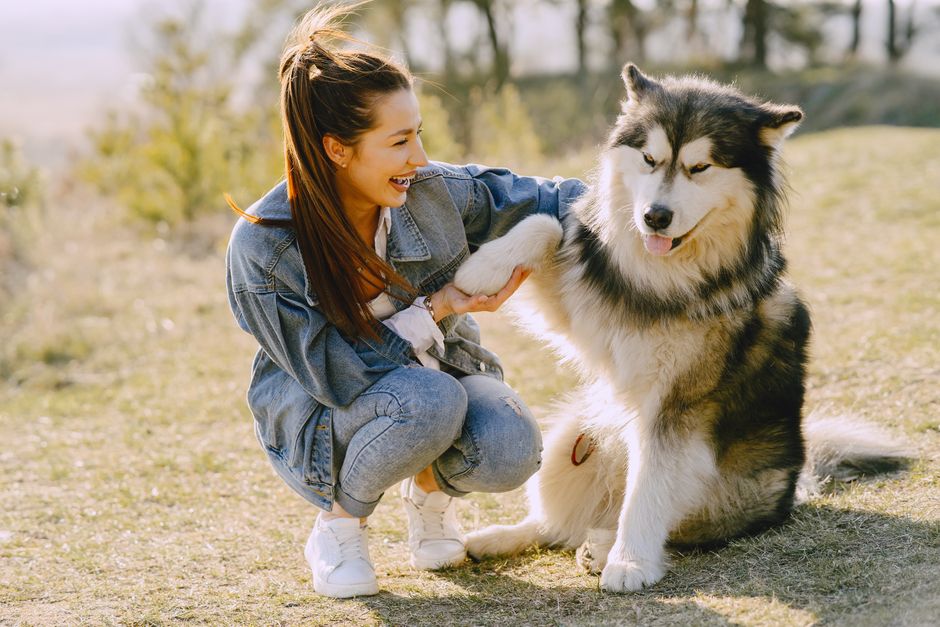
Why Positive Reinforcement Works for Huskies
Huskies were bred to work independently in harsh conditions, making them strong-willed and quick-thinking. Punishment-based training can damage their trust and lead to fear or resistance. Positive reinforcement, on the other hand, aligns with their desire to cooperate for something they value. Here are the key reasons it's ideal:
- Builds Trust: Reward-based training strengthens your bond. Your husky learns that listening to you results in good things.
- Increases Motivation: Huskies are food and toy motivated. Using high-value rewards makes training engaging and fun.
- Reduces Behavior Problems: A husky trained with positive methods is more confident and less likely to develop anxiety or aggression.
- Encourages Problem-Solving: Positive reinforcement taps into their intelligence, making them eager to figure out what earns a reward.
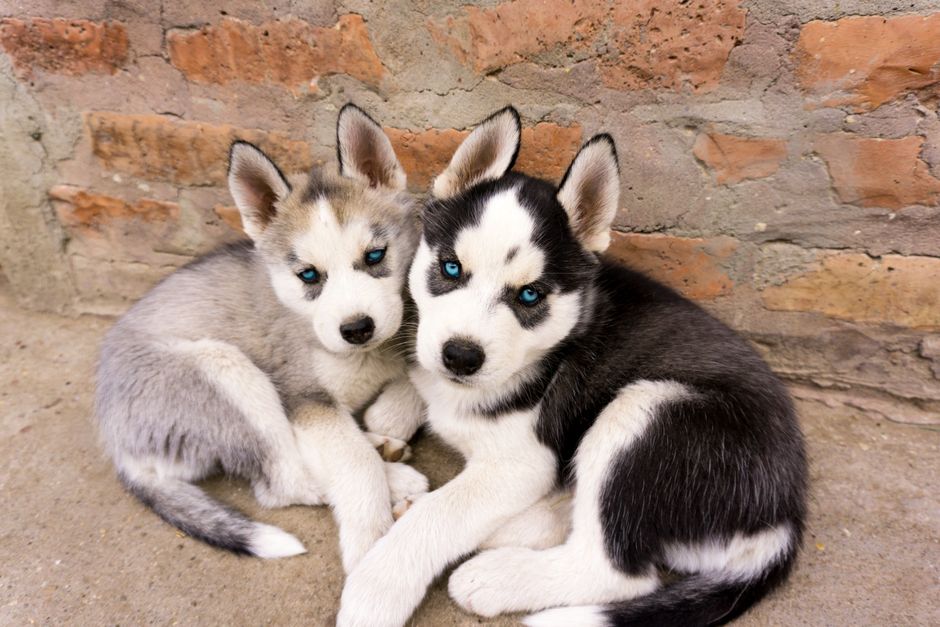
Essential Tools for Positive Reinforcement Training
Before starting, gather the right tools to set your husky up for success. Here's what you'll need:
| Tool | Purpose | Recommendations |
|---|---|---|
| High-Value Treats | Reward desired behavior | Small, soft, smelly treats like chicken, cheese, or freeze-dried liver |
| Clicker | Mark exact moment of correct action | Standard clicker or a marker word like 'yes' |
| Treat Pouch | Keep treats accessible | Wearable pouch with easy-open closure |
| Toys | Alternative reward for play drive | Small squeaky toys or flirt pole |
| Harness & Long Line | Safe control during training | Front-clip harness to reduce pulling |
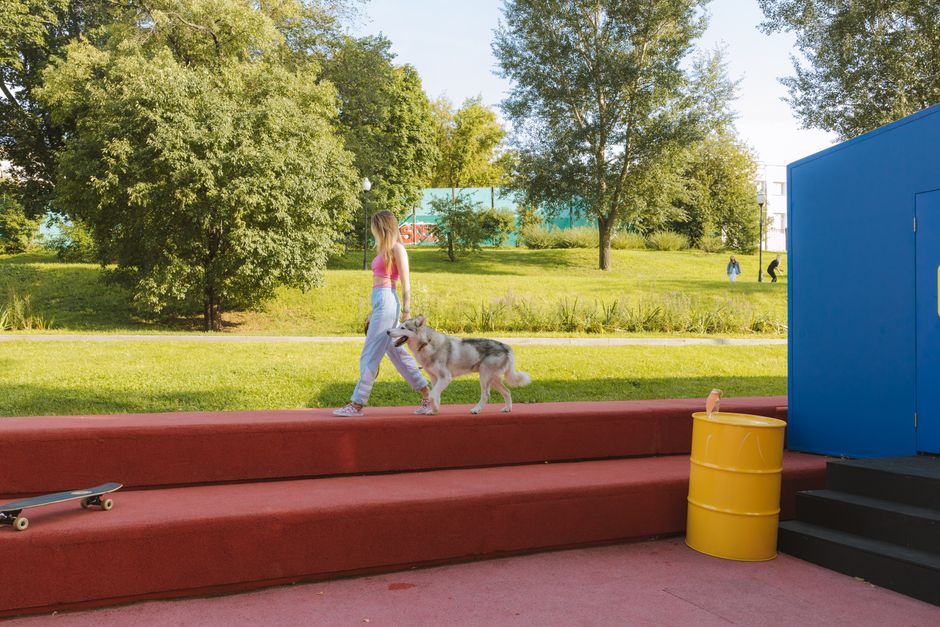
Step-by-Step Training Techniques
Follow these core positive reinforcement techniques to teach your husky basic commands and good manners.
1. Luring
Luring uses a treat to guide your husky into a position. For example, to teach 'sit':
- Hold a treat near your husky's nose.
- Lift the treat slightly up and back over their head.
- As their head follows, their bottom will lower into a sit.
- The moment they sit, mark with 'yes!' or click and give the treat.
2. Capturing
Capture a behavior your husky does naturally. If they lie down on their own, mark and reward. They'll learn to repeat the action for treats.
3. Shaping
Break a complex behavior into small steps. For 'roll over', reward first for lying down, then for turning head, then for rolling onto side, etc. Gradually increase criteria.
4. Targeting
Teach your husky to touch their nose to your hand (target). This is useful for guiding them into positions or moving them away from undesirable objects.
Common Challenges and Solutions
Huskies present unique challenges. Here's how to handle them with positive reinforcement:
- Selective Hearing: Increase reward value. Use extra tasty treats (like cheese) in distracting environments. Practice in low-distraction areas first.
- Stubbornness: Avoid repetition. If a behavior isn't working, break it down further. End training on a success to keep motivation high.
- Pulling on Leash: Reward loose leash walking. Stop and wait when your husky pulls. Only move forward when the leash is slack. Use a front-clip harness for better control.
- Escaping: Teach a strong recall using a long line. Start in a fenced area. Call your husky in a happy tone, reward generously when they come. Never punish for returning late.
- Mouthing/Nipping: Redirect to a toy. If they mouth, stop play and ignore for a few seconds. Reward calm behavior.
Advanced Training Tips
Once your husky masters basics, consider these advanced activities:
- Target Training for Agility: Use targets to teach your husky to navigate obstacles. Reward each step.
- Chaining Behaviors: Link commands like 'sit', 'down', and 'roll over' for a trick sequence. Reward at the end.
- Impulse Control Games: 'Leave it' and 'wait' exercises. Place a treat on your hand, say 'leave it', and only release after a calm moment. Increase duration.
- Muzzle Training: Help your husky accept a muzzle for vet visits using positive association, rewarding each step of wearing it.
Conclusion
Positive reinforcement training builds a strong, trusting bond with your Siberian Husky while effectively teaching desired behaviors. By using rewards, patience, and consistency, you can channel your husky's intelligence and energy into positive outcomes. Start with simple exercises, keep training sessions short (5-10 minutes), and always end on a success. Remember, every husky is unique—adapt your approach to their personality and preferences. With time and dedication, you'll have a well-trained, happy companion.