Introduction to Husky Command Training: Why It’s Different
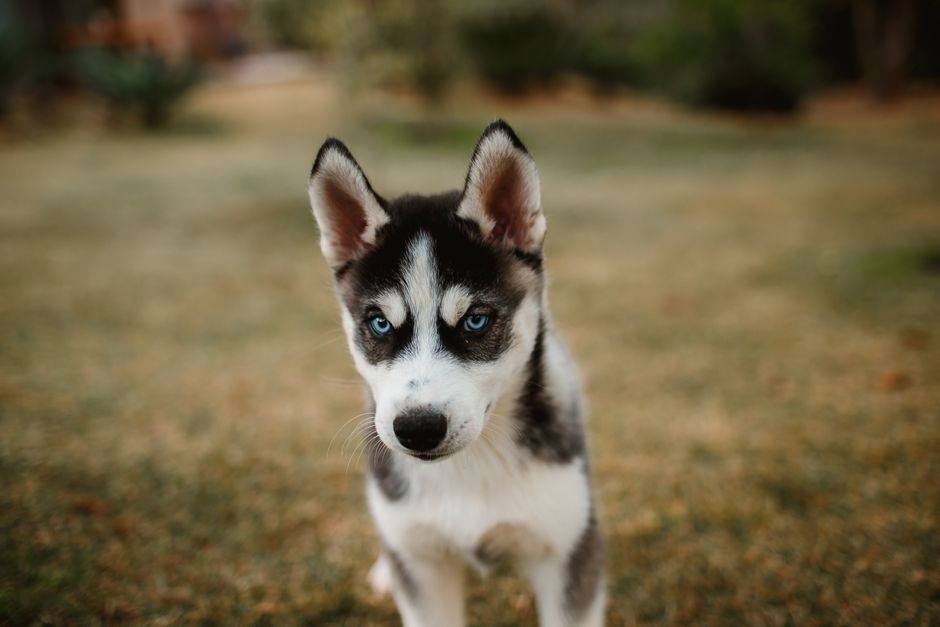
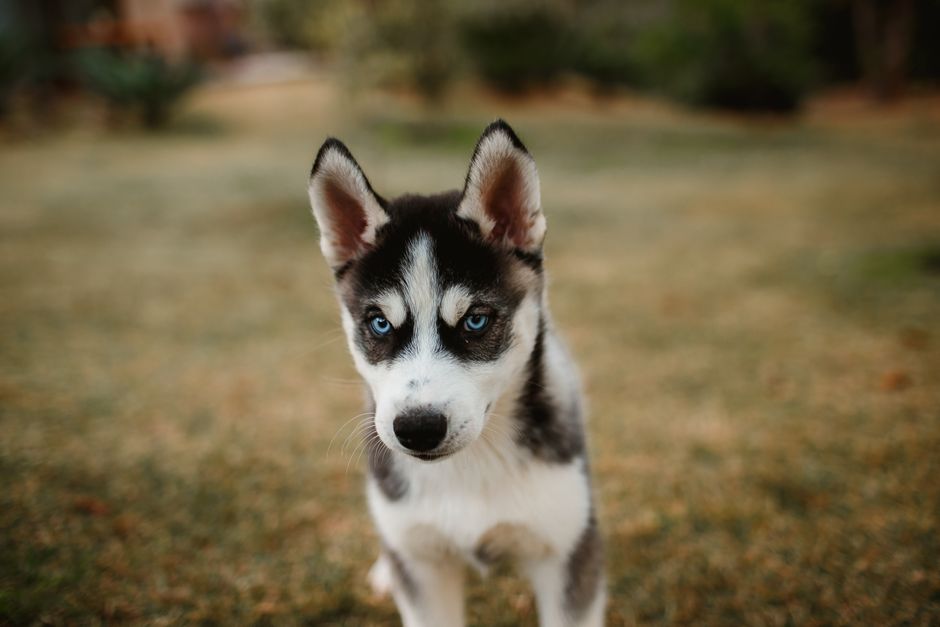
Training a Siberian Husky is an adventure unlike any other. These intelligent, independent dogs were bred to pull sleds over long distances in harsh Arctic conditions, which means they’re stubborn, energetic, and highly prey-driven. Standard command training often fails because huskies are natural problem-solvers who see commands as suggestions rather than orders. To succeed, you must understand their mindset and use techniques that appeal to their instincts. This guide covers everything from basic commands to advanced off-leash reliability, all tailored for the husky temperament.
Essential Prerequisites: Building a Training Foundation
Before diving into specific commands, establish a strong foundation:
- Bond and Trust: Spend extra time playing, grooming, and interacting without pressure. A husky that trusts you will be more willing to cooperate.
- High-Value Rewards: Food, toys, or praise that truly excite your husky. Many huskies are food-motivated but can be picky; experiment with cheese, hot dogs, or freeze-dried liver.
- Low-Distraction Environment: Start in a quiet room, then gradually add distractions. Huskies are easily distracted by movement and sounds.
- Consistent Cues: Use clear, one-word commands (e.g., “Sit” not “Sit down now”). Always use positive reinforcement—never punishment.
H2: Step-by-Step Command Training for Huskies
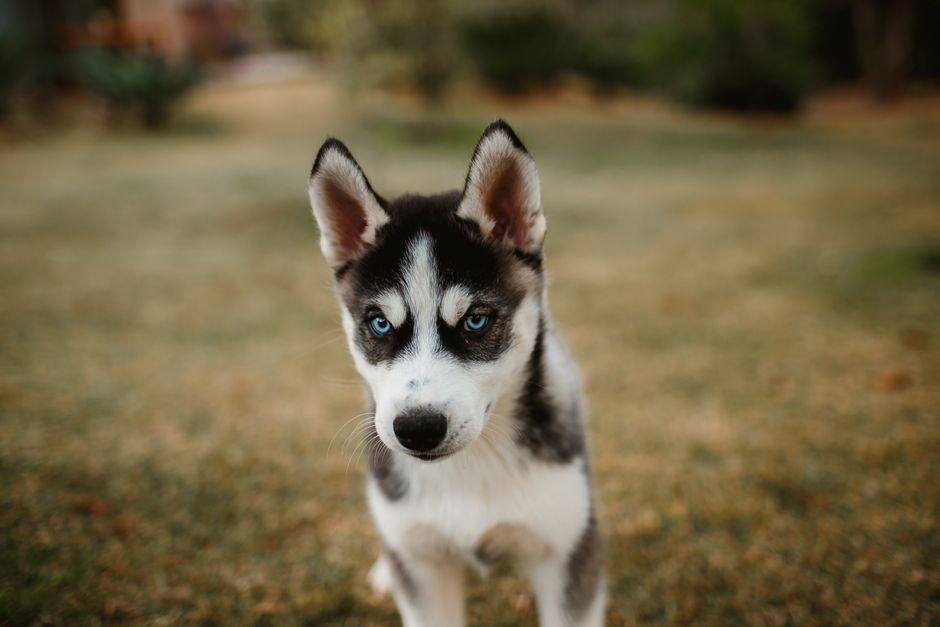
Below are the key commands every husky should learn. Each section includes tips for overcoming common husky challenges like stubbornness and distraction.
Sit
- Hold a treat near your husky’s nose and slowly lift it upward and slightly back. As their head follows, their bottom will naturally lower into a sit.
- Say “Sit” just as they assume the position, then reward immediately. Repeat 5-10 times daily for a few days.
- Husky tip: If they back up instead of sitting, try luring them against a wall or your legs to guide the sit.
Stay
- Begin with a sit or down. Put your palm out like a stop sign and say “Stay.” Take one step back, then return and reward. Gradually increase distance and duration.
- If your husky breaks the stay, calmly return to starting position and ask again. Avoid yelling; huskies may interpret frustration as a game.
- Practice the “emergency stay” (safely hold a stay even when excited) using high-value treats.
Come (Recall)
Recall is critical for huskies because they have a strong prey drive and may ignore you if chasing something. Train indoors first:
- Say your husky’s name and “Come” in a happy, playful tone. Run backward to encourage chasing you. Reward when they reach you.
- Use a long line (15-30 feet) for outdoor practice. Never punish after calling them—always praise, even if they took their time.
- Practice the “name game” and use an emergency whistle recall command (e.g., a specific whistle) paired with high-value treats.
Down
- Start with a sit. Hold a treat in your hand, lower it to the ground between their paws, and slightly pull forward. Once they lie down, say “Down” and reward.
- If they pop up, try a hand signal (pointing down) and reward partial progress. Many huskies find downs vulnerable, so be patient.
Leave It
- Place a treat in a closed fist near your husky’s nose. Say “Leave it” and wait until they stop sniffing or pawing at it. As soon as they look away or take a step back, mark and reward with a different treat from your other hand.
- Increase difficulty by using food on the floor or moving objects. For outdoor use around distractions like rabbits, use a very high-value reward for ignoring.
Common Husky Training Challenges and Solutions
| Challenge | Solution |
|---|---|
| Ignoring commands | Go back to basics, increase reward value, or reduce distractions. Huskies often choose not to comply if bored or not sufficiently motivated. |
| Barking during training | Teach “quiet” by rewarding when they pause barking. Avoid shouting; it’s perceived as joining in. |
| Refusal to lie down | Use a soft surface, try capturing a down when they naturally lie down, or use a gentle lure under a chair. |
| Strong prey drive | Always use a leash or long line. Practice “look at me” and “leave it” around controlled triggers (e.g., a toy). |
| Freezing or stubbornness | Turn training into a game. Use movement, play bow, or a toy to reset engagement. |
Advanced Training: Off-Leash Reliability and Tricks
Once your husky masters basic commands, you can work on off-leash control (only in safe, enclosed areas) and fun tricks like “spin” or “speak.” Key for off-leash: a rock-solid recall built through regular “come” games and using a whistle or specific sound. Trick training builds mental stimulation and strengthens your bond. Use shaping and capturing methods—huskies love learning new things if they’re rewarded appropriately.
Training Schedule and Tips for Consistency
Huskies thrive on routine. Aim for 2-3 short training sessions (5-15 minutes) daily. Always end on a positive note with a command they know well. Keep sessions fun and varied to prevent boredom. Remember, the goal is not just obedience but a cooperative partnership. With patience and positivity, your husky can become a well-mannered companion.
For more help, consider joining a positive reinforcement training class or consulting a professional who understands northern breeds.