Crate training your Siberian Husky at night can feel like an uphill battle. Known for their independence, vocal nature, and high energy, Huskies often resist confinement at first. However, with the right approach, nighttime crate training not only helps your Husky feel safe but also ensures you get a full night’s sleep. This guide covers everything you need to know, from setup to troubleshooting.

Why Crate Training is important for Your Husky
Many owners underestimate the importance of crate training, especially for a breed like the Husky. A crate provides your dog with a den-like sanctuary—a secure space where they can relax without anxiety. For Huskies, who have a strong prey drive and can be prone to destructive behavior when bored, a crate prevents nighttime mischief and keeps them safe from household hazards. It also aids in potty training by encouraging bladder control, as most dogs avoid soiling their sleeping area.
Additionally, crate training is invaluable for travel, vet visits, and emergencies. A crate-trained Husky is less stressed in unfamiliar environments. Starting nighttime training early, whether you have a puppy or an adult Husky, sets the foundation for a well-adjusted companion.
Preparing the Crate for Nighttime Success
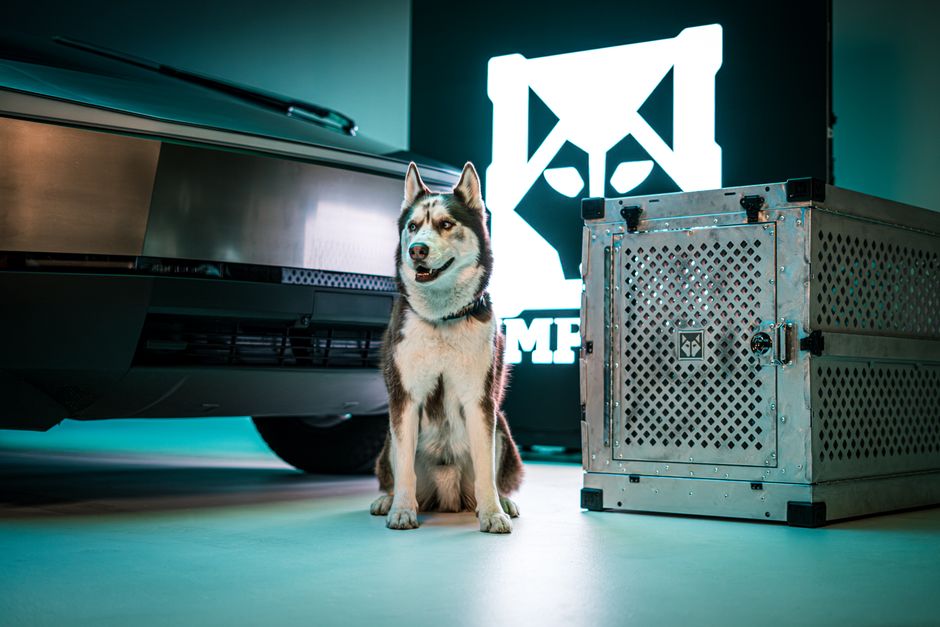
Before you begin, choose the right crate. For a Husky, an extra-large crate (42 inches or larger) is recommended to allow standing, turning, and lying down comfortably. Avoid wire crates with exposed pan edges that can pinch paws; opt for a sturdy plastic or heavy-duty metal crate if your Husky is an escape artist.
Make the crate inviting:
- Place a comfortable, washable bed or blanket inside. Huskies love soft surfaces.
- Cover three sides with a crate cover or towel to create a cave-like environment that reduces visual stimulation.
- Include a safe chew toy (e.g., a KONG stuffed with peanut butter) to provide comfort and mental stimulation.
- Position the crate in your bedroom initially so your Husky feels your presence. Gradually move it to its permanent location after a few weeks.
Step-by-Step Nighttime Crate Training Schedule
Consistency is key. Follow this phased approach:
Phase 1: Daytime Conditioning (3-4 days)
Before expecting your Husky to sleep in the crate, build positive associations. Feed all meals inside the crate with the door open. Throw treats inside and encourage exploration. Close the door for just one minute while you sit nearby, then gradually extend the time. Aim for your Husky to feel comfortable with the door closed for 10-15 minutes without whining.
Phase 2: Transition to Nighttime (Day 4-7)
About an hour before bedtime, give your Husky a last potty break. A tired Husky sleeps better, so ensure adequate exercise and playtime during the day. When it's time to settle, lead your Husky to the crate with a command like "kennel up" and a treat. Close the door and silently sit next to the crate for a few minutes. If your Husky remains calm, leave the room but stay nearby. Set an alarm for 2-3 hours later to take them out to potty (puppies may need more frequent breaks).
Phase 3: Extending Overnight Duration (Week 2-4)
Gradually increase the time between potty breaks. For adult Huskies, once they consistently hold it for 6-8 hours without accidents, you can stop the middle-of-the-night walks. However, always listen to your Husky’s cues—if they whine persistently, they may genuinely need to eliminate.
| Age | Maximum Nighttime Crate Duration |
|---|---|
| 8-10 weeks | 2-3 hours |
| 11-14 weeks | 3-4 hours |
| 15-16 weeks | 4-5 hours |
| 5-6 months | 6-7 hours |
| 7+ months | 7-8 hours |
Dealing with Whining and Barking at Night
Huskies are notorious for vocalizing. It’s crucial to differentiate between a genuine need (potty, thirst, discomfort) and attention-seeking behavior. Here’s how to respond:
- Immediate needs: If your Husky whines persistently and you’ve had them in the crate for several hours, take them out on a leash to a designated potty spot. Keep interactions calm and minimal. No play or talking. Immediately return them to the crate.
- Attention whining: If they’ve just been out and have no reason to need the bathroom, ignore the noise. Cover the crate completely, put on a white noise machine, or play calming music to muffle sounds. Wait until there is a 5-second pause in whining before letting them out, otherwise you reinforce the behavior.
- Separation anxiety: Some Huskies panic when left alone. In that case, place an item with your scent (like a worn t-shirt) inside the crate, and consider using an Adaptil plug-in or calming treats. If anxiety is severe, consult a professional trainer or veterinarian.
Setting a Bedtime Routine for Your Husky
A predictable routine signals to your Husky that it’s time to sleep. Here’s a sample schedule:
- 8:30 PM: Final play session or walk (15-20 minutes) to burn off energy.
- 9:00 PM: Last meal if feeding in the crate (ensure digestion time before sleep).
- 9:30 PM: Offer water, then remove water bowl 1-2 hours before bed.
- 10:00 PM: Quiet time—cuddles, brushing, or a puzzle toy.
- 10:30 PM: Potty break in the yard.
- 10:45 PM: Crate session with a long-lasting chew and a low-light environment.
- 11:00 PM: Lights out; you may stay in the room reading until your Husky settles.
Consistently following this routine will help your Husky anticipate bedtime, reducing anxiety and resistance.
Common Challenges and Solutions
Even with preparation, you may encounter obstacles. Here are solutions to frequent issues:
- Escaping the crate: If your Husky manages to open latches or push panels, use carabiners for extra security or invest in a heavy-duty crate designed for escape artists.
- Soiling the crate: This often indicates the crate is too large (so they can use one corner as a bathroom) or you’re leaving them too long. Ensure the crate is appropriately sized—just big enough to stand, turn, and lie down. If accidents persist, consult a vet to rule out infection.
- Refusing to enter the crate at bedtime: Make the crate a positive place by hiding treats inside throughout the day. Never use the crate as punishment. If your Husky stalls, lure them in with a high-value treat and give verbal praise.
- Excessive barking at night: Ensure your Husky has had sufficient physical and mental stimulation during the day. A tired Husky is a quiet Husky. Consider adding a feed-and-sniff mat to their dinner routine to tire out their brain.
When to Expect Full Nighttime Crate Success
Most Huskies adapt to nighttime crate training within 2–4 weeks if you are consistent. Puppies may take longer due to bladder control limitations. You will know success when your Husky voluntarily enters the crate at bedtime and sleeps through the night without whining. Once fully trained, you can gradually leave the crate door open at night, allowing your Husky to choose where to sleep. However, many owners keep the crate as a permanent safe haven. Remember, every Husky is unique—patience and positive reinforcement are your best tools.
With this guide, you’re equipped to create a peaceful night for both you and your Husky. Stick with the routine, address challenges promptly, and celebrate small victories. Before long, you’ll both enjoy restful nights.