Huskies are intelligent, energetic dogs with a natural instinct to chew. Without proper guidance, this behavior can lead to destroyed furniture, shoes, and even safety hazards. The key to preventing destructive chewing is not punishment, but understanding, training, and providing appropriate outlets. This comprehensive guide will walk you through proven husky chewing prevention training techniques, helping you build a happy, well-behaved companion.
Understanding Why Huskies Chew
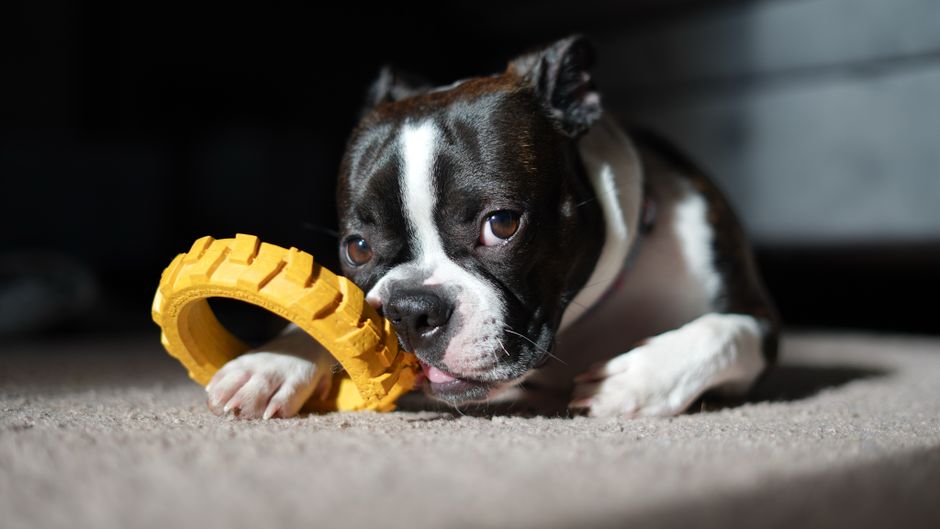
Before diving into training, it's important for recognize the underlying reasons behind your husky's chewing. Common causes include:
- Teething pain: Puppies chew to relieve sore gums during teething (3-6 months).
- Boredom or lack of exercise: Huskies are working dogs; insufficient physical and mental activity leads to destructive behavior.
- Separation anxiety: Some huskies chew when left alone as a coping mechanism.
- Curiosity and exploration: Puppies use their mouths to explore their environment.
- Nutritional deficiencies: Rarely, chewing may indicate a need for certain minerals. Consult your vet if persistent.
Observing when and what your husky chews will help you tailor your prevention strategy.
The Importance of Early Training
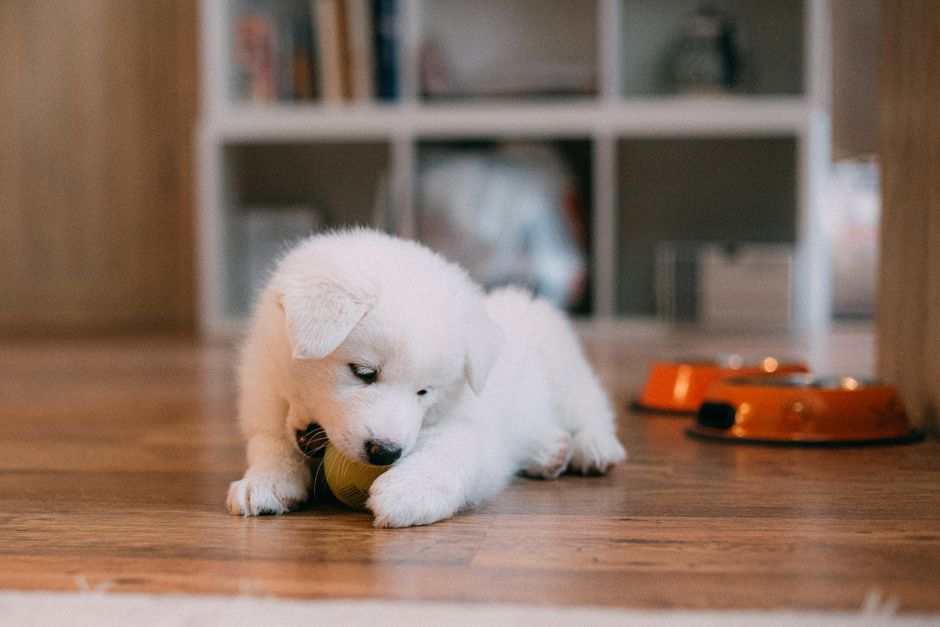
Start chewing prevention training the day you bring your husky home. Puppies have plastic, trainable brains; early intervention sets the foundation for a lifetime of good behavior. However, it's never too late to teach an older husky. Consistency and patience are vital.
Remember: punishment can increase anxiety and worsen chewing. Positive reinforcement is the most effective and humane approach.
Essential Tools for Chewing Prevention
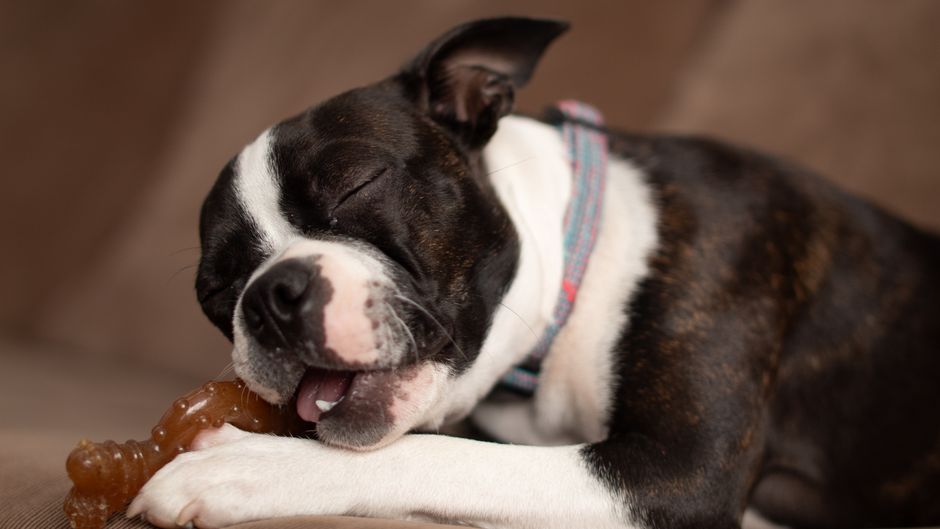
Equip yourself with these tools to steer your husky toward appropriate chewing:
- Interactive toys: Durable rubber toys like KONG, puzzle toys, and treat-dispensing balls keep your husky mentally engaged.
- Chew toys: Nylabones, yak chews, and bully sticks satisfy the urge to gnaw. Avoid rawhide (choking hazard) and cooked bones (splinter risk).
- Bitter sprays: Safe deterrents that taste unpleasant discourage chewing on furniture, cords, and baseboards.
- Puppy gates and crates: Manage your husky's environment when you cannot supervise.
- Exercise equipment: A flirt pole, fetch toys, and a secure harness for walks or runs.
Step-by-Step Training Techniques
Redirect and Reward
- Catch them in the act: When your husky starts chewing an inappropriate item, calmly say "Ah-ah" and redirect them to an appropriate chew toy.
- Praise immediately: As soon as they take the toy, give enthusiastic praise and a small treat.
- Repeat consistently: Every time you see chewing, redirect. Over time, your husky will learn what is acceptable.
Bitter Sprays and Deterrents
- Apply a pet-safe bitter spray to furniture legs, cords, or other chew-prone areas.
- Reapply every few days until the habit is broken.
- Pair with redirection: if they start to lick or chew a sprayed area, redirect to a toy. The unpleasant taste reinforces the "not for me" message.
Crate Training for Safety
A crate can be a safe haven when you can't supervise. Introduce it positively:
- Feed meals inside the crate.
- Provide a comfortable bed and durable toys.
- Start with short periods, gradually increasing duration.
- Never use the crate as punishment. It should be a happy place.
Creating a Chew-Proof Environment
Management is half the battle. Husky-proof your home:
- Put away valuables: Shoes, remote controls, and children's toys should be out of reach.
- Cover cords: Use cord covers or tape cords to baseboards.
- Use baby gates: Block access to rooms where you cannot supervise.
- Rotate toys: Keep your husky's toy collection interesting by swapping out a few toys every few days.
- Provide variety: Offer different textures (rubber, rope, hard nylon) to keep their interest.
Exercise and Mental Stimulation
A tired husky is a good husky. These high-energy dogs need at least 1-2 hours of vigorous exercise daily:
- Physical exercise: Running, hiking, biking (once old enough), and fetch. Huskies love pulling; consider skijoring or sledding if you're adventurous.
- Mental stimulation: Scent games, obedience training, puzzle toys, and trick training. 15 minutes of mental work can be as tiring as an hour of running.
When exercise and enrichment are lacking, chewing often escalates. Make it a priority.
What to Do If Your Husky Chews Something Inappropriate
If you discover chewed items after the fact:
- Do not punish: Your husky won't connect punishment to the past action. It can cause fear and increase anxiety.
- Clean up: Remove the damaged item and repair the area if possible.
- Assess why it happened: Was your husky left alone too long? Did they have enough toys? Adjust your routine accordingly.
- Increase supervision: Use a crate or put the husky in an exercise pen when you are busy.
Common Mistakes to Avoid
- Using old items as chew toys: Giving your husky an old shoe teaches them that shoes are chew toys. Always use designated dog toys.
- Inconsistent rules: If you allow chewing on some items but not others, your husky gets confused. Be clear and consistent.
- Skipping exercise: When you're tired, your husky will find ways to entertain themselves—often destructively.
- Leaving your husky alone too soon: Gradually build up alone time. A dog who hasn't learned to settle may chew from anxiety.
- Using punishment: Yelling, hitting, or rubbing a dog's nose in damage damages trust and intensifies behavior problems.
Conclusion
Husky chewing prevention training is a journey that demands understanding, patience, and consistency. By addressing the root causes, providing ample exercise and mental stimulation, using positive reinforcement, and managing the environment, you can turn your husky's natural chewing instinct into a positive habit. Remember: every chew session is a chance to reinforce the bond with your dog and teach them what is right. Start today, and enjoy a home that stays intact and a husky that is happy, healthy, and well-behaved.