Introduction
Huskies are known for their friendly and gentle nature, but like any breed, they can exhibit aggression. Understanding the root causes and implementing effective training techniques is crucial for a harmonious relationship. This guide provides a comprehensive approach to husky aggression training, covering prevention, recognition, and correction of aggressive behaviors.
Understanding Husky Aggression
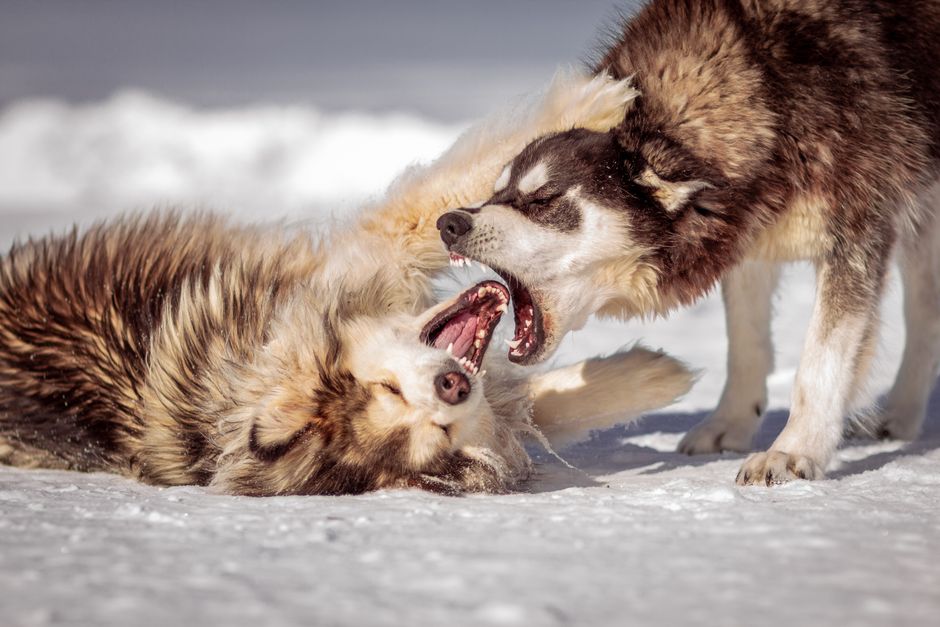
Huskies were bred as sled dogs, requiring strong pack instincts and independence. Aggression in huskies often stems from:
- Prey Drive: A high instinct to chase small animals. This can manifest as aggression toward cats or other small pets.
- Dominance: Huskies may challenge authority if they perceive themselves as pack leaders.
- Fear or Anxiety: Loud noises, new environments, or past trauma can trigger defensive aggression.
- Resource Guarding: Protecting food, toys, or territory.
- Lack of Socialization: Dogs not exposed to various stimuli during puppyhood may react aggressively.
Identifying the trigger is the first step in addressing aggression.
Early Socialization is Key
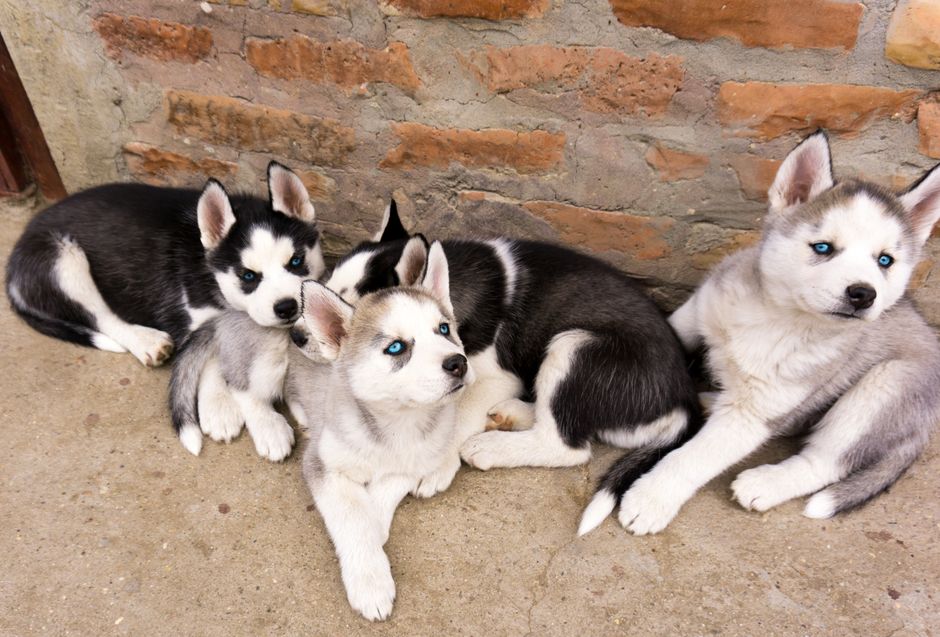
Socialization during the critical period (3-16 weeks) prevents fear-based aggression. Expose your husky puppy to:
- Different people (men, women, children, people with hats, etc.)
- Other friendly dogs of all sizes
- Various environments (parks, streets, car rides)
- Loud noises (vacuum, traffic) gradually
Always pair new experiences with treats and praise. A well-socialized husky is less likely to develop aggression.
Recognizing Aggressive Behaviors
Understanding body language helps you intervene early. Use this table to identify common aggressive signals:
| Behavior | What It Means |
|---|---|
| Stiff body, hard stare | Warning; potential attack if provoked |
| Growling or snarling | Clear threat; back off |
| Bared teeth | Pre-bite warning |
| Raised hackles | High arousal; may be fear or aggression |
| Muzzle punch | Hard nudge; can escalate |
| Snap or bite (no injury) | Last warning; immediate intervention needed |
Never punish growling—it removes a warning, leading to biting without notice.
Step-by-Step Aggression Training
Training should focus on management, desensitization, and positive reinforcement. Never use physical punishment, which worsens aggression.
1. Establish Leadership with Respect
Huskies respect confident, consistent leaders. Implement the Nothing in Life is Free protocol: your dog must earn resources (food, walks, attention) by obeying commands like “Sit” or “Stay.”
2. Manage the Environment
Prevent rehearsals of aggression. If your husky resource guards, feed in a separate room. If aggressive toward dogs, avoid off-leash parks until behavior improves. Use barriers like baby gates.
3. Counter-Conditioning and Desensitization
If your husky is aggressive toward a specific trigger (e.g., other dogs), pair the trigger with something positive. For example:
- At a distance where your dog notices the trigger but does not react aggressively, give high-value treats.
- Gradually decrease the distance over many sessions.
- Never force interaction; progress at your dog's pace.
4. Teach Alternative Behaviors
Train incompatible behaviors. For example, if your husky lunges at guests, teach “Go to mat” and reward staying there when visitors arrive. Use a strong “Look at me” command to redirect attention.
5. Impulse Control Exercises
Practice “Leave it” and “Drop it” to manage prey drive. Start with low-value items and increase difficulty. Play games like fetch with strict rules (dog must wait until released).
6. Consistency and Routine
Huskies thrive on structure. Set a daily schedule for feeding, walks, training, and rest. Consistent expectations reduce anxiety.
7. Use a Basket Muzzle if Needed
For safety during training sessions with triggers, use a properly fitted basket muzzle. This allows your dog to pant and take treats while preventing bites.
Professional Help and Safety
If aggression is severe (biting with injury, unmanageable resource guarding, or redirected aggression), seek a certified professional dog trainer or veterinary behaviorist. They can create a custom plan and may recommend medication for anxiety-based aggression.
Never attempt to confront an aggressive husky directly. Keep yourself and others safe by using management tools like leashes, muzzles, and crates. Children and elderly individuals should be supervised closely.
Conclusion
Husky aggression training requires patience, understanding, and positive reinforcement. By addressing the root cause, socializing early, and using systematic desensitization, most aggression can be significantly reduced or eliminated. Remember, a well-trained husky is a happy and safe companion. If in doubt, always consult a professional.