Huskies are intelligent, energetic, and independent dogs, but their strong prey drive and stubborn nature can make impulse control a challenge. Without proper training, they may dash out doors, pull on leash, steal food, or chase small animals. This guide provides a step-by-step approach to teaching your Husky self-control, using positive reinforcement and consistent practice.
Why Impulse Control Is Crucial for Huskies
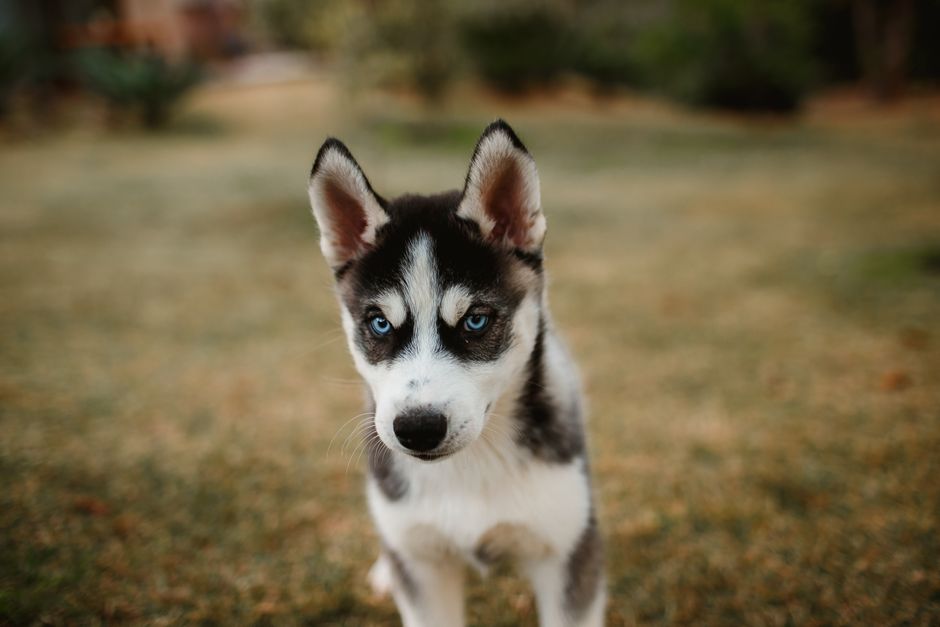
Huskies were bred to pull sleds over long distances, requiring endurance, decision-making, and a degree of independence. While these traits make them incredible working dogs, they can also lead to impulsive behaviors in a home environment. Impulse control training helps your Husky learn to pause, think, and look to you for guidance before acting. This not only prevents dangerous situations (like running into traffic) but also strengthens your bond and makes daily life more enjoyable.
Common Impulse-Related Behaviors in Huskies
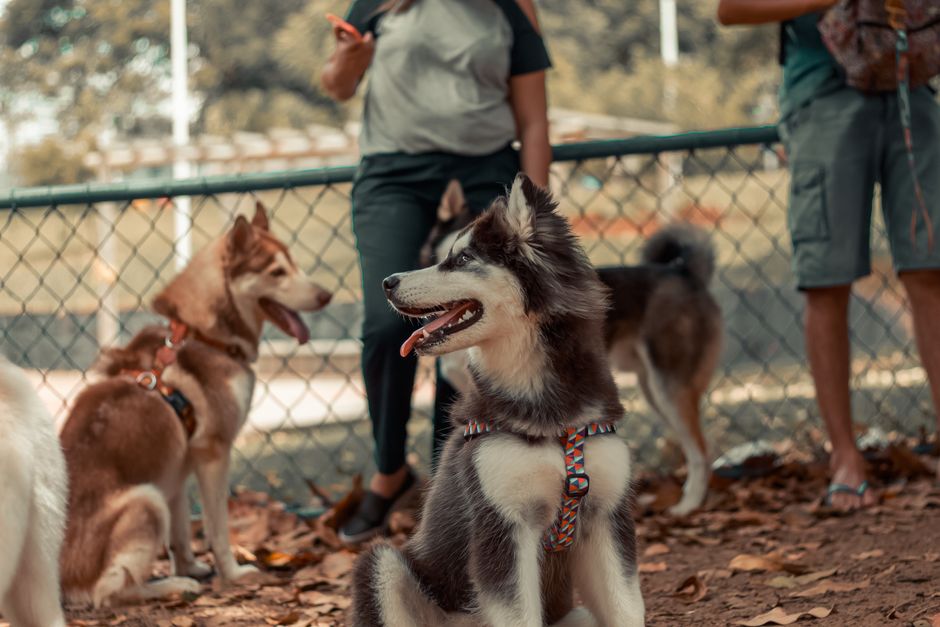
- Bolt out of doors or gates
- Pull on leash during walks
- Jump on people or furniture
- Grab food from counters or tables
- Chase squirrels, cats, or bicycles
- Bark or whine excessively for attention or food
The Foundation: Building a Strong Bond and Trust
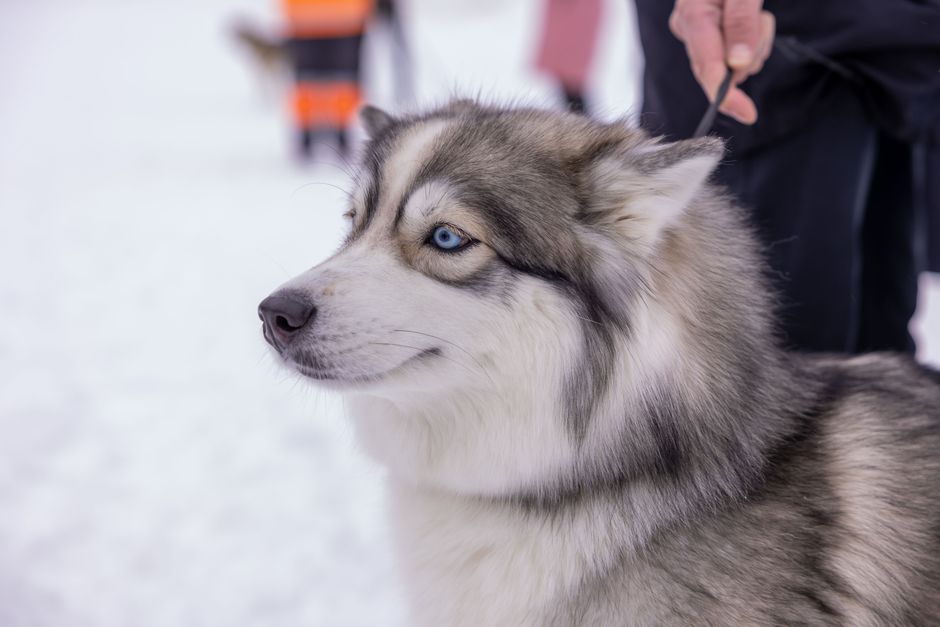
Before starting formal impulse control exercises, ensure your Husky has a solid foundation of basic obedience (sit, stay, come) and a positive relationship with you. Huskies are pack-oriented and respond best to consistent, reward-based training. Use high-value treats (like small pieces of chicken or cheese) to motivate your dog. Keep training sessions short (5-10 minutes) and end on a positive note.
Essential Impulse Control Exercises
The "Wait" Game
Teaching your Husky to wait teaches patience in everyday situations. Start by asking your dog to sit, then open a door slightly. If he tries to rush, close the door. Say "wait" and only open the door when he remains calm. Gradually increase the duration and distractions. This exercise can be used at doors, before meals, or before exiting the car.
"Leave It" Command
Place a treat on the floor and cover it with your hand. When your Husky stops sniffing or pawing, say "leave it" and reward from your other hand. Progress to leaving the treat uncovered, then use more tempting items. This skill is invaluable for preventing your dog from eating something harmful or chasing a squirrel.
Doorway Manners
Impulsive doorway dashing is common. Have your Husky sit and stay before opening the door. If he gets up, close the door and reset. Practice with different doors (front, back, car) until he reliably waits for a release cue like "okay".
Loose Leash Walking
Use the "red light, green light" method: when your Husky pulls, stop moving. Only walk when the leash is slack. Reward your dog for checking in with you. Consistency is key; do not let pulling be rewarded by moving forward. Over time, your Husky will learn that pulling stops forward movement.
Focus and Attention Training
Teach your Husky to look at you on cue ("watch me"). Start in a low-distraction environment, then gradually introduce challenges. This builds a default behavior of checking in with you, which is the foundation of impulse control. Use a clicker or a verbal marker like "yes" to mark the moment your dog makes eye contact.
Advanced Impulse Control Techniques
Once your Husky has mastered basic exercises, you can increase difficulty:
- Duration: ask for longer stays before releasing
- Distance: increase the distance between you and your dog
- Distractions: practice near other dogs, people, or moving objects
- Generalization: practice in different locations (park, busy street, friends' houses)
You can also use impulse control games like "It's Your Choice" (from Susan Garrett): hold a treat in your closed fist; when your dog stops pawing, open your hand but keep the treat; if he tries to take it, close your fist. Reward only when he waits politely.
Troubleshooting Common Challenges
| Challenge | Solution |
|---|---|
| Husky gets too excited and cannot focus | Exercise before training to burn off excess energy. Use lower-value rewards at first. |
| Dog ignores "leave it" with high-value items | Reinforce the command with even higher value rewards. Practice in a low-distraction area. |
| Pulling on leash continues | Check your equipment (use a front-clip harness). Be patient and consistent; it may take weeks. |
| Dog regresses after a setback | Go back a step. Avoid frustration; keep sessions fun. training is a lifelong process. |
Consistency and Patience: The Key to Success
Impulse control does not happen overnight, especially with a breed as independent as the Husky. Aim for short, daily training sessions (5-10 minutes) rather than long, infrequent ones. Involve all family members to ensure everyone uses the same cues and rules. Celebrate small victories and avoid punishment, which can damage trust. With time and dedication, your Husky can learn to manage his impulses, leading to a safer and more harmonious relationship.
Remember: impulse control training is not just about obedience—it’s about giving your Husky the skills to handle the world calmly. The effort you invest now will pay off with a well-mannered companion for years to come.