Understanding the Husky Temperament
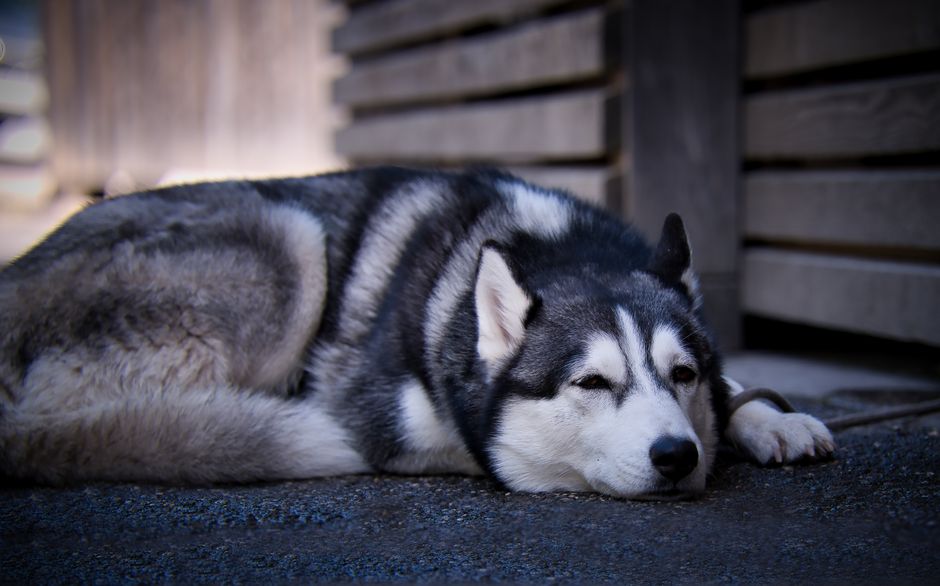
Siberian Huskies are known for their high energy, independence, and strong-willed nature. Bred as sled dogs, they possess an innate drive to run, explore, and assert their personality. This breed is not naturally inclined to be calm; in fact, their exuberance can often be mistaken for hyperactivity or stubbornness. Understanding that a Husky's energy is a product of genetics is the first step toward effective calmness training. Rather than suppressing their spirit, the goal is to channel it into focused, controlled behaviors.
Why Calmness Training is important for Huskies
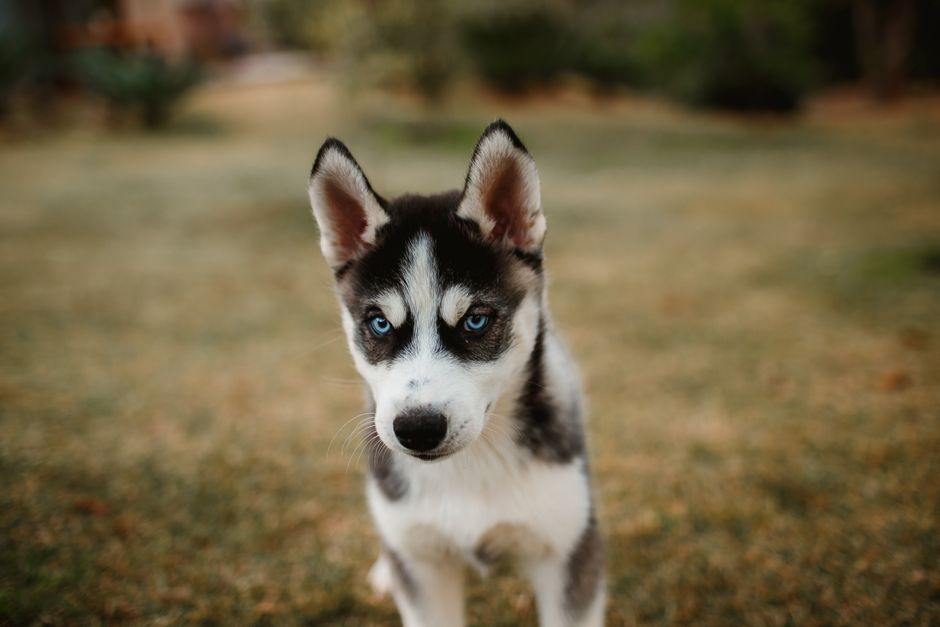
Calmness training goes beyond basic obedience—it’s about teaching your Husky to settle on command, remain composed in stimulating environments, and respond to life’s demands with patience. Without it, common issues arise: destructive chewing, excessive barking, pulling on leash, and even aggression toward other dogs when over-aroused. A calm Husky is a safe, well-adjusted companion. Moreover, calmness training strengthens your bond by establishing you as a reliable leader who provides structure and predictability.
Foundations of Calmness: Exercise and Mental Stimulation
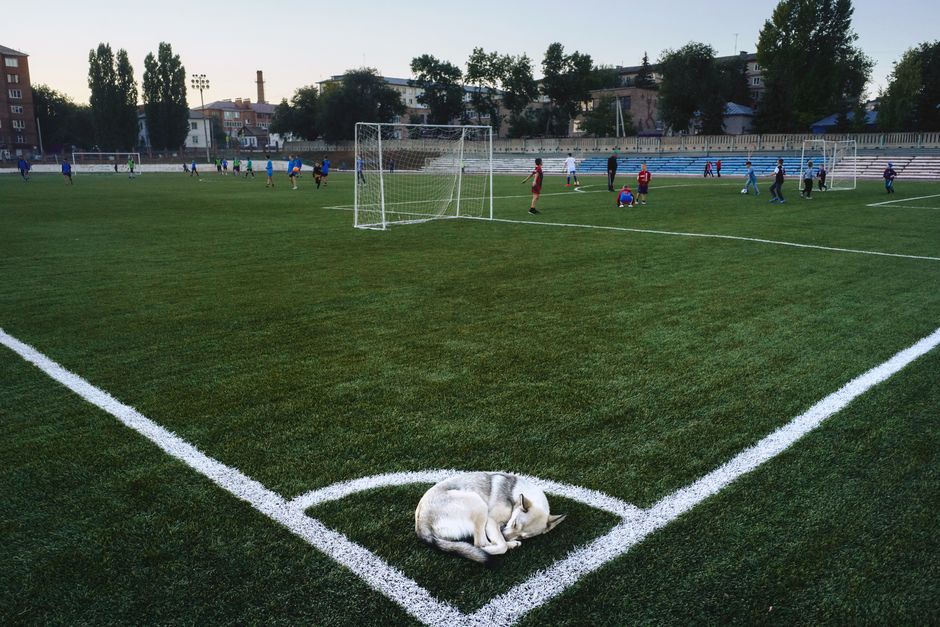
Before any training begins, a Husky must have its physical and mental needs met. A tired Husky is a trainable Husky. Aim for at least 60–90 minutes of vigorous exercise daily, such as running, hiking, or bikejoring. Supplement with mental challenges: puzzle toys, nose work, or obedience drills. When energy is properly expended, your Husky’s baseline arousal level drops, making it easier to teach calm behaviors.
The Exercise First Rule
Always exercise your Husky before a training session. A 30-minute run or intense play session will burn off excess energy, leaving your dog more receptive to learning. After exercise, allow a brief cool-down period before initiating calmness exercises.
Training Techniques for Calmness
| Technique | How It Works | Key Steps |
|---|---|---|
| Capturing Calm | Reward spontaneous calm behaviors. | Watch for your dog lying down quietly; mark and treat. Over time, the dog offers the behavior more often. |
| Settle on Mat | Teach a specific 'go to mat' cue for relaxation. | Use a raised bed or mat. Lure with treats, reward for staying, and gradually increase duration and distractions. |
| Impulse Control Games | Build patience and self-control. | Games like 'wait' for food, 'leave it', and 'stay' during play. |
| Relaxation Protocol | Systematic desensitization to stay calm in increasing challenging scenarios. | Follow a structured script (e.g., Dr. Karen Overall's Protocol) that progresses from easy to difficult distractions. |
Impulse Control Exercises
Impulse control is the backbone of calmness. Start with simple exercises:
- Wait for Food: Hold the bowl down, say 'wait', release after a few seconds. Gradually extend the wait time.
- Leave It: Place a treat on the floor, cover it with your hand. Say 'leave it', reward with a different treat from your hand. Progress to uncovered treats.
- Doorway Calm: Before going through a door, ask for a sit or down. Open the door a crack; if the dog moves, close it. Only proceed when calm.
These exercises teach your Husky that patience yields rewards, reducing reactive behaviors.
The Relaxation Protocol
Developed by behaviorist Dr. Karen Overall, the Relaxation Protocol is a structured training plan that teaches dogs to settle in various situations. It consists of 15 sessions, each with a series of steps that introduce distractions like noises, movements, or the owner leaving the room. The key is to keep the dog on a mat and reward calm responses. For Huskies, start session 1 after a long walk. Use high-value treats. If your dog struggles, back up to earlier steps. Consistency over days to weeks yields remarkable results.
Common Mistakes and Troubleshooting
- Inconsistent Reinforcement: Allowing jumping or barking sometimes but not others confuses the dog. Be clear: only reward calm behavior.
- Skipping Exercise: An under-exercised Husky cannot learn calmness. Never attempt training without prior physical release.
- Punishing Hyperactivity: Yelling or correcting only increases arousal. Instead, redirect or simply remove yourself (time-out) for a few minutes.
- Expecting Too Much Too Soon: Huskies are independent. Build duration slowly. Progress from 2 seconds of calm to 10 seconds, then 30, etc.
If your Husky remains excessively anxious or reactive, consider consulting a certified behaviorist with breed experience.
Creating a Calm Environment
Your home environment influences your Husky's state of mind. Provide a designated quiet space with a comfortable bed, away from high-traffic areas. Use white noise or calming music to mask startling sounds. Establish a daily routine that includes feeding, exercise, training, and rest at consistent times. Predictability reduces stress, making calmness more natural. Additionally, use calming aids like pheromone diffusers or weighted blankets if needed, but always combine with training.
Conclusion
Calmness training for a Husky is a marathon, not a sprint. It requires patience, consistency, and an understanding of the breed’s needs. By fulfilling exercise requirements, practicing impulse control, and using structured protocols like the Relaxation Protocol, you can transform your energetic Husky into a composed, happy companion. Remember, calmness is a skill that must be practiced daily. Celebrate small victories, and always end on a positive note. With time, your Husky will learn that being calm is not only rewarding but also the key to more freedom and trust.