Huskies are intelligent, independent, and energetic dogs that require consistent training from an early age. Teaching your Husky the best commands not only ensures their safety but also strengthens the bond between you and your furry friend. Here is an in-depth guide to the most effective commands for Huskies, with practical tips to overcome their stubborn streak.
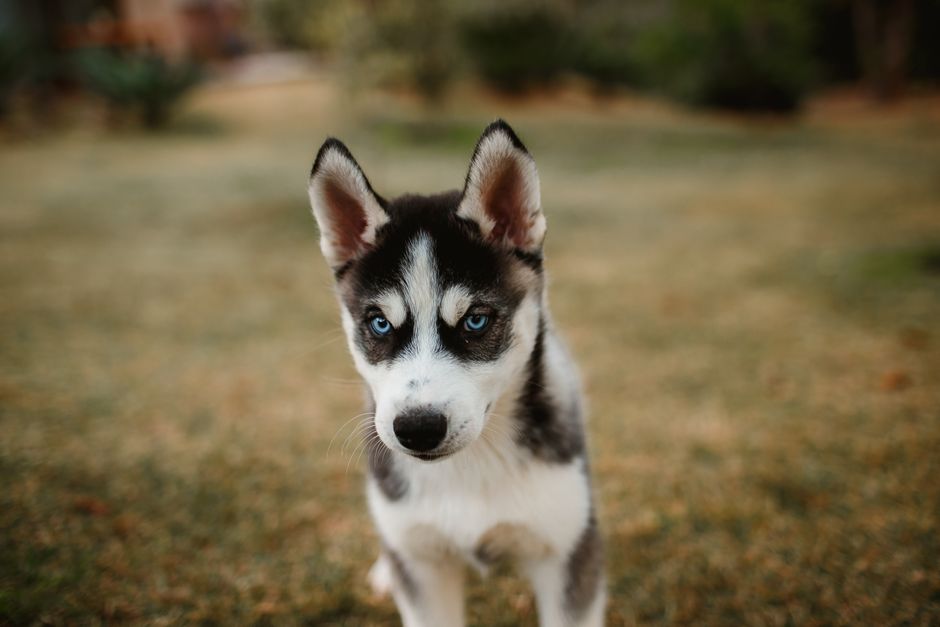
Why Training Commands Are important for Huskies
Huskies were bred to pull sleds over long distances, making them highly intelligent but also independent and strong-willed. Without proper training, they can become destructive or escape artists. Commands provide structure, mental stimulation, and a way to communicate. A well-trained Husky is safer and happier.
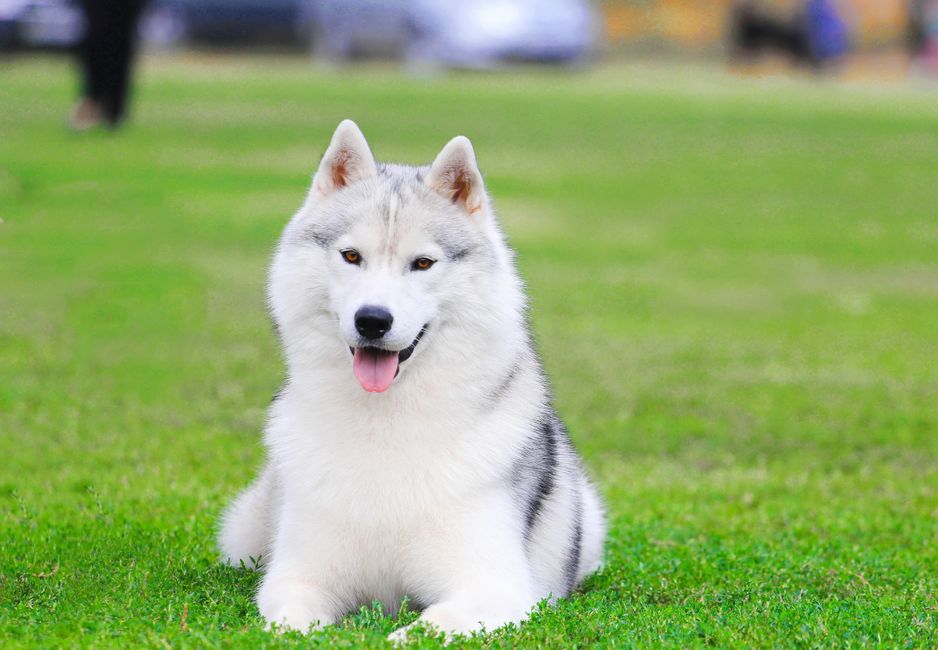
The Foundation: Basic Obedience Commands
Before moving to advanced tricks, every Husky must master the basics. Start training as early as 8 weeks old, but older dogs can learn too with patience.
Sit
This is the first command every Husky should learn. Hold a treat close to their nose, then move your hand up, causing their bottom to lower. Say "Sit" as they do it, then reward. Repeat in short sessions (5-10 minutes). Huskies respond well to positive reinforcement.
Stay
Once your Husky knows "Sit", teach "Stay". Ask them to sit, then open your palm in front of their face and say "Stay". Take a step back. If they stay, reward. Gradually increase distance and duration. This command is crucial for safety, especially near roads.
Come
"Come" can be a lifesaver. Use a long leash in a safe area. Say your Husky's name and "Come" in an excited tone, then gently pull the leash. Reward with high-value treats when they reach you. Never punish them for coming—it should always be a positive experience.
Down
Teaching "Down" helps calm an overexcited Husky. Start with them sitting, then hold a treat to their nose and lower it to the floor, saying "Down". They'll follow. Reward when elbows touch the ground. Some Huskies resist this command, so be patient and use high-value treats like chicken or cheese.
Heel
Huskies love to pull, but "Heel" teaches them to walk calmly beside you. Use a treat to keep their head level with your leg. Say "Heel" and start walking. If they pull, stop and wait. Reward when they return to your side. A no-pull harness can help in the beginning.
Advanced Commands for a Well-Trained Husky
Once basic commands are reliable, introduce advanced ones to challenge your Husky's mind.
Leave It
This prevents eating dangerous objects. Show a treat in your closed fist and say "Leave it". Ignore any sniffing or pawing. When they look away, reward from your other hand. Gradually increase difficulty with items on the ground.
Drop It
important for when your Husky grabs something they shouldn't. Trade a toy for a treat, saying "Drop it". They'll release the toy to get the treat. Practice with various objects. Never chase them—it becomes a game.
Place/Bed
Teach your Husky to go to a specific spot (like a bed) and stay there. Point to the bed and say "Place". When they step onto it, reward. Gradually increase the duration. This command helps manage excitement when guests arrive.
Wait
Similar to "Stay" but for specific situations. Ask your Husky to "Wait" at doors or before eating. Practice by opening the door slightly; if they move, close it. Reward when they hold still. This reinforces impulse control.
Speak and Quiet
Huskies are vocal. Teach "Speak" by triggering a bark (e.g., knocking) and rewarding. For "Quiet", wait for a pause, say "Quiet", and reward. This helps manage excessive howling.
Tips for Training a Stubborn Husky
- Keep sessions short (5-15 minutes) to avoid boredom.
- Use high-value treats: freeze-dried liver, cheese, or boiled chicken.
- Be consistent with cues and hand signals.
- Huskies respond better to rewards than punishment. Ignore bad behavior and reward good.
- Practice in low-distraction areas first, then gradually add challenges.
- Use a calm but assertive tone. Never yell—it stresses them.
- Incorporate training into daily walks and playtime.
Common Mistakes to Avoid
- Repeating commands multiple times—say it once and wait.
- Moving too fast to difficult distractions.
- Using punishment that breaks trust.
- Neglecting mental stimulation; Huskies need both physical and mental exercise.
- Inconsistency: all family members should use the same commands.
Quick Reference Table of Commands
| Command | Purpose | Tips for Huskies |
|---|---|---|
| Sit | Basic control | Use treats, practice often |
| Stay | Safety | Start with short durations, build up |
| Come | Recall | Always reward, never punish |
| Down | Calming | Use high-value treats, be patient |
| Heel | Polite walking | Stop when they pull, reward for position |
| Leave It | Prevent eating hazards | Trade up with better treats |
| Drop It | Release objects | Use trade method |
| Place | Settle in a spot | Use a mat or bed |
| Wait | Impulse control | Practice at thresholds |
| Speak/Quiet | Voice control | Capture natural behavior |
Conclusion
Training your Husky with these essential commands transforms them from a mischievous escape artist into a well-mannered companion. Remember, consistency, patience, and positive reinforcement are key. Start with the basics, progress to advanced commands, and always keep training fun. With time and dedication, your Husky will learn to listen—even when their independent spirit tempts them to do otherwise. Happy training!