Understanding Why Huskies Pull
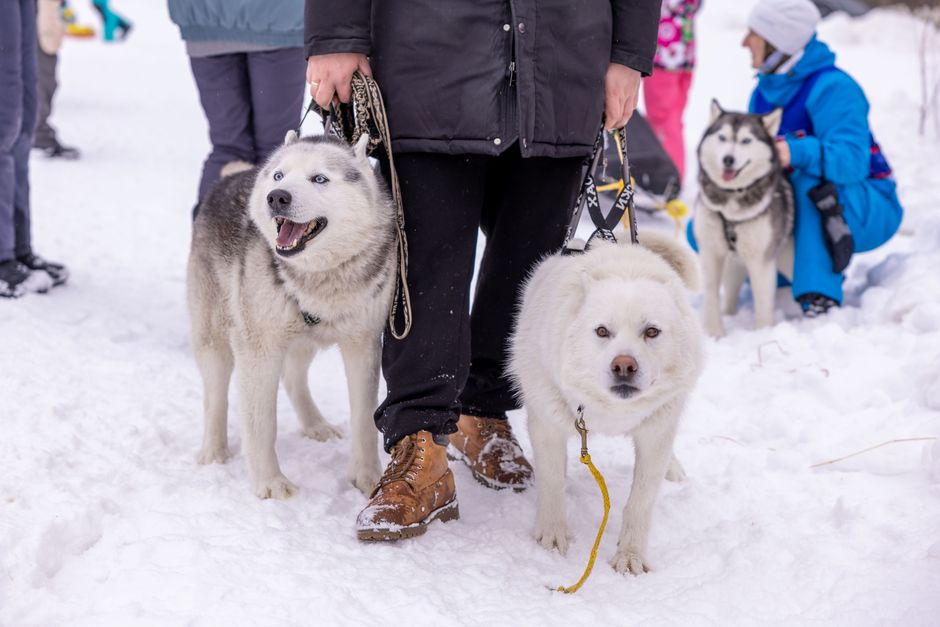
Siberian Huskies are bred to pull sleds over long distances. This instinct is deeply ingrained—leash pulling isn't disobedience; it's your Husky's natural response to restraint. Understanding this is the first step to effective training. Huskies are also highly intelligent, independent, and easily bored. If walking is dull, they'll create their own fun by lunging, sniffing, or pulling. Your goal is to make walking with a loose leash more rewarding than pulling.
Essential Equipment for Success
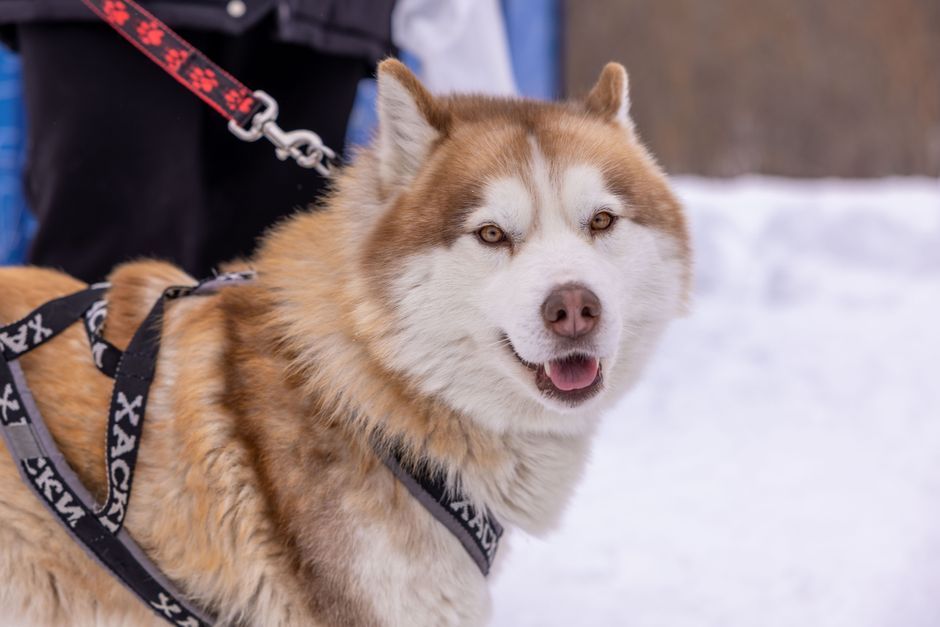
Before starting training, equip yourself with tools that give you control without causing pain. Here's what works best for Huskies:
| Tool | Pros | Cons |
|---|---|---|
| Front-clip harness (e.g., Easy Walk, PetSafe) | Redirects pulling by turning dog sideways; no choking | May rub if not fitted correctly |
| Head halter (e.g., Gentle Leader) | Excellent control; mimics mother dog's correction | Many dogs dislike it; desensitization needed |
| Martingale collar | Prevents slipping out; gentle correction | Can still encourage pulling in strong dogs |
| Standard flat collar | Not recommended for Huskies; can cause tracheal damage | Easy to slip out; no control |
Recommendation: Use a front-clip harness combined with a long line (15-20 feet) for training sessions. Avoid retractable leashes—they teach dogs to pull against constant tension.
Pre-Training: Build Focus and Impulse Control
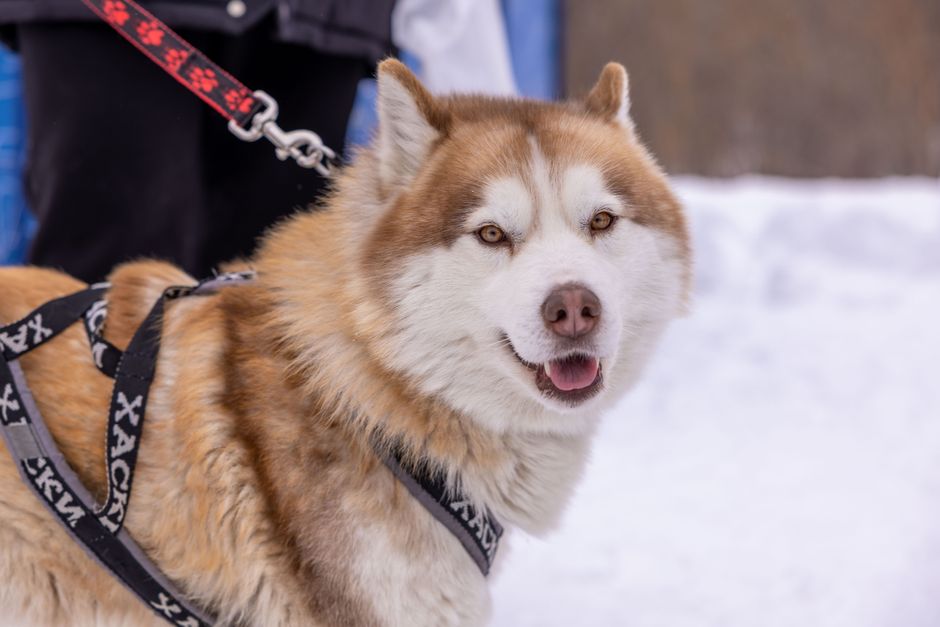
Before walking outside, practice indoor exercises that teach your Husky to pay attention to you:
- Name Game: Say your dog's name, treat when they look at you. Gradually add distractions.
- Look at Me: Hold a treat near your eyes. When dog makes eye contact, mark and reward.
- Wait at Door: Teach your Husky to pause before going through any door. This builds patience and prevents bolting.
These exercises create a foundation of focus. A Husky that ignores you will never walk politely.
The Foundation: Loose Leash Walking (LLW)
LLW means the leash hangs in a 'J' shape—not tight. Here's a step-by-step method:
Step 1: Setup and Positioning
Start in a low-distraction area (backyard or quiet street). Hold the leash loosely, with your hand at your hip. Keep treats in a pouch on your left side. Your dog should be next to you or slightly behind.
Step 2: The 'Red Light' Method
Walk forward. The moment the leash tightens (any tension), stop immediately. Stand still like a statue. Do not move, speak, or jerk the leash. Wait until your Husky releases the tension (looks back at you, steps back, or sits). Then mark with 'Yes!' and treat, then resume walking. Repeat consistently.
Step 3: Turn Around
When your Husky pulls ahead, do a sharp U-turn and walk the opposite direction. Use an enthusiastic tone: 'Let's go!' Your dog will learn to watch you to avoid missing direction changes. This keeps them engaged.
Step 4: Reward Position
While walking, randomly drop treats by your left foot. Your dog will naturally want to stay near the treat source. Gradually increase the time between rewards.
Advanced Techniques for Stubborn Pullers
If your Husky is still pulling after mastering basics, try these:
- The 'Be a Tree' Variation: When dog pulls, immediately stop and ignore. When they return to you, mark and reward. Progress to walking a few feet before stopping again.
- Premack Principle: Allow pulling as a reward for polite walking. Example: 'Walk nicely to that tree, and I'll let you sniff for 30 seconds.' Uses high-value behavior (pulling) to reinforce low-value (loose leash).
- Engage-Disengage Game: For Huskies that pull toward triggers (other dogs, squirrels). At a distance where dog notices but doesn't react, mark and treat. Gradually decrease distance as they look to you instead of pulling.
Common Mistakes That Sabotage Training
Avoid these errors that confuse your Husky:
- Inconsistent Rules: If pulling is allowed with one family member but not another, training fails. Everyone must enforce the same rules.
- Too Much Too Soon: An hour walk is too long for a beginner. Start with 10-15 minute sessions. Short but frequent training is far more effective than once-a-week marathons.
- Reinforcing Pulling Unintentionally: When your Husky pulls and you follow them, you're rewarding the pull. Similarly, if you stop only occasionally, pulling becomes a slot machine game—they'll keep trying because sometimes it pays off.
- Verbal Corrections: Saying 'No' or yelling does not teach your dog what to do. Instead, redirect to the desired behavior (e.g., 'Look at me') and reward compliance.
Troubleshooting Specific Scenarios
Pulling during excitement (seeing dogs/people)
Increase distance until your Husky can focus on you. Use high-value treats (cheese, chicken) and practice 'Look at that' protocol. Over time, the trigger becomes a cue to check in with you.
Pulling on the way home (door reactivity)
Your Husky learns that pulling gets them home faster. Break the cycle: when they pull, stop and walk 20 steps backward. Then try again. This resets the pattern.
Multiple dogs walking together
Train each dog individually first. Once each is reliable, practice walking side by side with short sessions. Use a coupler only after all dogs are trained—otherwise they'll synchronize pulling.
Long-Term Success: Consistency and Patience
Husky leash training is not a quick fix—it's a lifestyle change. Expect progress in weeks, not days. Keep training sessions positive and end on a high note. your Husky's instinct to pull is powerful; you're not fighting it, but channeling it into a manageable behavior. With consistency, you'll enjoy walks where your Husky is attentive and the leash stays loose. Happy training!