Why Huskies Need Specialized Obedience Training
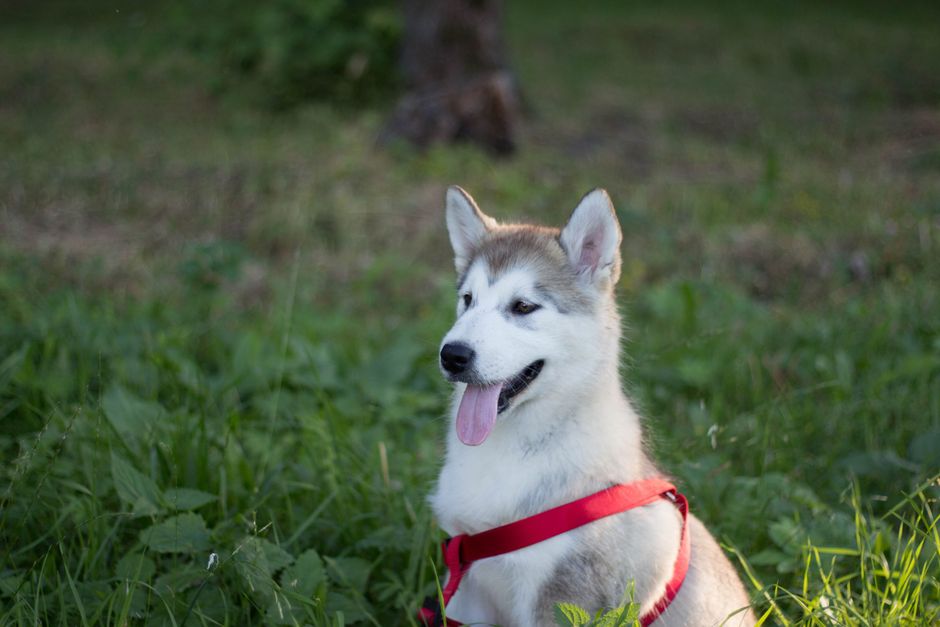
Siberian Huskies are intelligent, independent, and energetic dogs. Their strong prey drive, stubbornness, and tendency to wander require a training approach that goes beyond basic commands. A standard obedience course may not address their specific needs, such as maintaining focus despite distractions or managing their escape-artist tendencies. A specialized course for huskies focuses on building a reliable recall, impulse control, and a strong bond based on mutual respect.
Key Features of a Top Obedience Course for Huskies
Focus on Positive Reinforcement
Positive reinforcement is important for huskies. They respond well to rewards like treats, toys, and praise, while harsh corrections can lead to resistance or fear. Look for courses that use clicker training or marker-based systems to reinforce desired behaviors immediately.
High Energy and Mental Stimulation
Huskies need both physical and mental exercise. A good course incorporates games, puzzles, and challenging exercises that tire them mentally. This prevents boredom-related behaviors like digging or howling.
Addressing Independence and Stubbornness
Huskies are known for their independent nature. Effective courses teach handlers to be more interesting than the environment, using motivational techniques to hold the dog's attention. They also include exercises to build reliability in off-leash situations, though safety is paramount.
Types of Obedience Courses
Basic Obedience Classes
These cover sit, stay, come, heel, and down. For huskies, the most critical command is a solid recall. Many classes offer group settings that simulate real-world distractions.
Advanced Training
Advanced courses focus on off-leash control, distance commands, and impulse control. Some may include agility or nosework, which channel husky energy productively.
Online vs. In-Person
Online courses offer flexibility and often lifetime access. However, in-person classes provide immediate feedback and controlled distraction environments. For huskies, a combination may work best: online for theoretical knowledge and in-person for practical application.
What to Look for in a Training Program
| Factor | Why Important |
|---|---|
| Trainer Credentials | Look for certifications like CPDT-KA or KPA. Experience with huskies is a plus. |
| Class Size | Small classes (3-6 dogs) ensure individual attention. |
| Training Methods | Positive reinforcement only. Avoid programs that use shock collars or harsh corrections. |
| Focus on Recall | A must for huskies. The course should have dedicated recall exercises. |
| Distraction Training | Huskies need practice around distractions. Look for programs that gradually increase difficulty. |
| Follow-up Support | Ongoing support through online groups or additional sessions can help maintain progress. |
Recommended Obedience Courses for Huskies
While no single course fits all, several programs stand out for husky owners:
- AKC Canine Good Citizen (CGC) Program – A prep course for the CGC test focuses on good manners and public behavior. Many trainers offer tailored versions for huskies.
- Petco’s Positive Training Classes – These use reward-based methods and are available nationwide. They offer a puppy program and advanced levels.
- Clicker Training Workshops – These teach you to shape behaviors precisely, which is excellent for intelligent breeds like huskies.
- Private Trainers Specializing in Working Breeds – Many experienced trainers offer private sessions or small group classes for huskies.
- Online Platforms like Fenzi Dog Sports Academy – Offer self-paced courses with video feedback, covering everything from basic to competition-level obedience.
Before enrolling, ask the trainer about their experience with huskies and request to observe a class.
Tips for Success with Husky Obedience Training
- Start early – Puppy classes help socialize and form good habits. But older huskies can also learn with consistency.
- Keep sessions short and fun – 5-10 minutes, 3-5 times a day. Use high-value rewards like chicken or cheese.
- Work on impulse control – Games like “leave it” and “wait at the door” prevent bolting.
- Practice in different environments – Gradually increase distractions to build reliability.
- Be patient and consistent – Huskies test boundaries. Consistent rules and expectations are key.
- Use physical exercise before training – A tired husky is more focused. A 20-minute run before class can work wonders.
- Never use force – It damages trust and leads to behavior problems. Positive methods are more effective long-term.
Conclusion
Choosing the best obedience course for your husky involves understanding the breed’s unique traits. Look for programs that emphasize positive reinforcement, mental stimulation, and recall reliability. Whether you choose a group class, private trainer, or online program, consistency and patience will yield the best results. With the right training, your husky can become a well-mannered, happy companion that you can trust in any situation. Start your search today and invest in a lifetime of good behavior.