Introduction
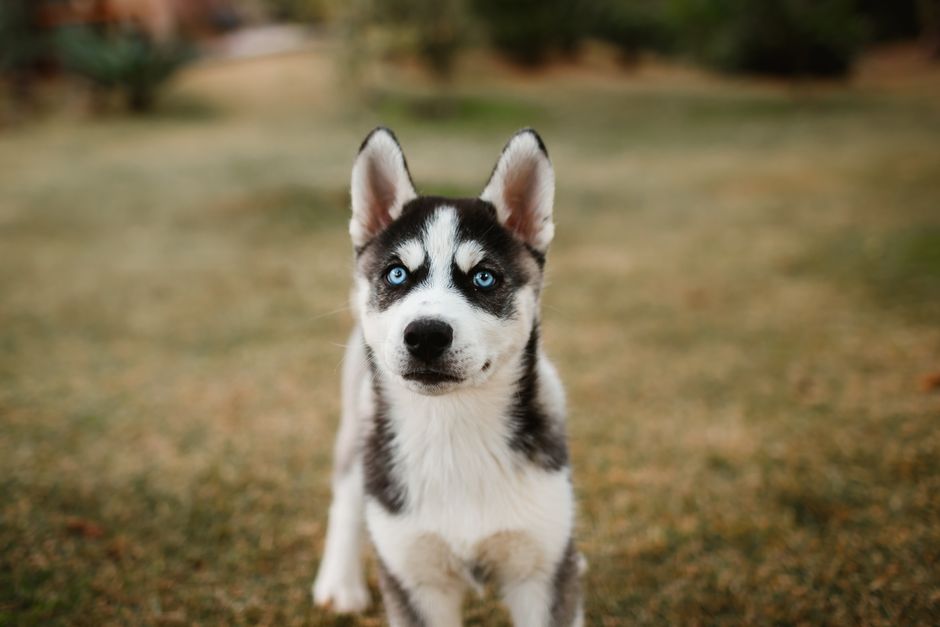
Fleas are a common nuisance for dogs, but Huskies present unique challenges due to their thick double coats. Choosing the best flea treatment for Huskies requires understanding their specific needs, including sensitivity to chemicals, coat density, and outdoor activity levels. This guide covers the most effective treatments, safety considerations, and application tips to keep your Husky flea-free.
Understanding Flea Risks for Huskies
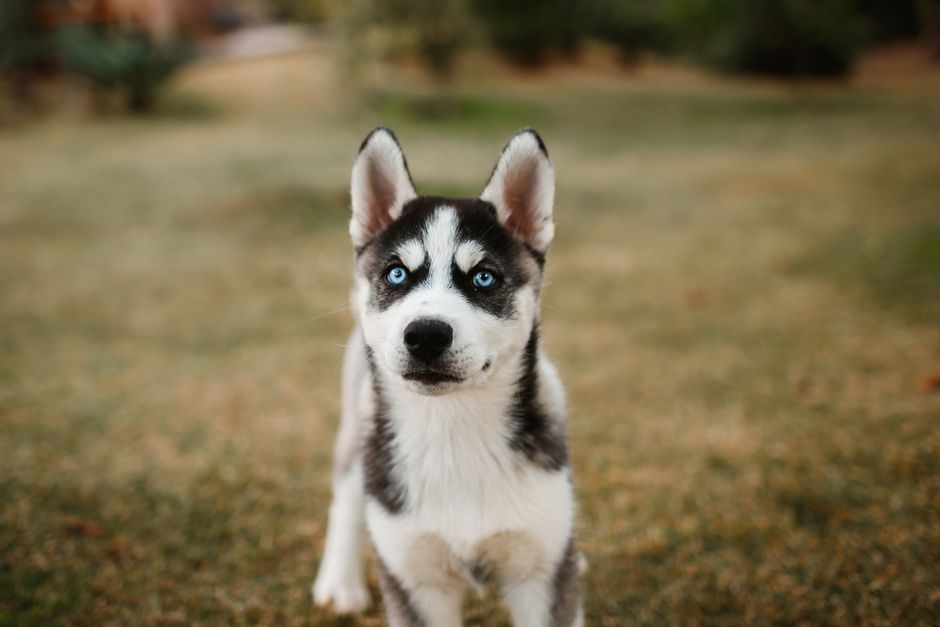
Huskies are active, outdoorsy dogs that often spend time in wooded areas, parks, and other environments where fleas thrive. Their thick double coat provides an ideal hiding spot for fleas, making infestations harder to spot and treat. Fleas can cause itching, allergic reactions, and transmit tapeworms. Additionally, some flea treatments may be too harsh for a Husky's sensitive skin, so choosing a gentle yet effective product is crucial.

Top Flea Treatments: Types and Comparisons
There are several types of flea treatments available: topical spot-ons, oral medications, flea collars, sprays, and shampoos. Below is a comparison of the most recommended options for Huskies.
| Treatment Type | Product Examples | Pros | Cons | Best For |
|---|---|---|---|---|
| Topical Spot-On | Advantage II, Frontline Plus, Revolution | Easy to apply, long-lasting (up to 30 days), waterproof | May leave residue on coat; some dogs have skin reactions | Active Huskies with thick coats |
| Oral Flea Preventatives | NexGard, Bravecto, Capstar (fast-acting) | No residue, tasty chew, works systemically | Requires prescription; can cause GI upset in some dogs | Huskies that dislike topical applications |
| Flea Collars | Seresto, Bayvantic | Long-lasting (8 months), no monthly dosing | May cause skin irritation under collar; not as effective in heavy infestations | Low-maintenance protection for mild flea areas |
| Flea Sprays | Adams Plus, Vet's Best | Can be used for spot treatment, safe for puppies and adults | Short-term relief; requires frequent reapplication | Immediate relief during an outbreak |
| Flea Shampoos | Burt's Bees, TropiClean | Kills fleas on contact, also cleans coat | Not long-lasting; can dry out skin if used often | Bathing during a flea infestation |
Choosing the Right Flea Treatment for Your Husky
When selecting a flea treatment, consider your Husky's age, weight, health status, and lifestyle. Puppies under 8 weeks should only use products specifically labeled for them. Huskies with known allergies may react to certain chemicals, so consult your vet. For heavy infestations, a combination of oral and topical treatments may be needed. Always read labels carefully – some dog products are toxic to cats, and many Huskies live in multi-pet households.
Top Recommendations
- Best Overall: Frontline Plus (topical) – effective against fleas, ticks, and chewing lice, safe for puppies 8 weeks+, waterproof.
- Best Oral: NexGard – beef-flavored chew, kills fleas within 4 hours, lasts 30 days. Requires vet prescription.
- Best for Sensitive Skin: Revolution (topical) – also prevents heartworm and ear mites, gentle formula.
- Best Long-Term: Seresto collar – 8 months of protection, odorless, water-resistant.
Application Tips & Safety
Applying flea treatment to a Husky's double coat can be tricky. For spot-ons, part the hair down to the skin between the shoulder blades where the dog cannot lick. For oral chews, ensure the full dose is swallowed. Avoid bathing 48 hours before/after topical treatment to allow absorption. Monitor for signs of adverse reactions: excessive itching, redness, vomiting, or lethargy. If you notice any, wash off the product and contact your vet.
Common Mistakes
- Applying to wet or dirty coat – reduces efficacy.
- Using dog products on puppies or very young kittens (if you have cats).
- Overlapping treatments (e.g., collar + topical) – can lead to toxicity.
- Not treating the environment – fleas in your home can reinfest your Husky.
Natural and Preventive Measures
In addition to chemical treatments, natural remedies can help prevent fleas. Use a fine-toothed flea comb regularly to remove fleas and eggs. Wash your Husky's bedding weekly in hot water. Vacuum carpets and furniture frequently. Some essential oils (e.g., cedarwood, lavender) can repel fleas, but use caution – many essential oils are toxic to dogs. Consult your vet before using natural products. A healthy diet rich in omega-3 fatty acids can improve your Husky's skin health, making them less attractive to fleas.
Frequently Asked Questions
Can I use dog flea treatment on my cat?
No – products containing permethrin are highly toxic to cats. Always use species-specific treatments.
What if my Husky ingests a topical flea treatment?
Contact your veterinarian or pet poison control immediately. Symptoms include drooling, vomiting, and tremors.
How often should I treat my Husky for fleas?
Follow the product label – typically monthly for spot-ons and oral chews, or every 8 months for collars. Year-round treatment is recommended in mild climates.
Are there home remedies that work?
Dish soap baths can kill fleas on contact, but they don't provide lasting prevention. A mixture of apple cider vinegar and water (1:1) sprayed on the coat may repel fleas temporarily, but avoid contact with eyes and open wounds.
Keeping your Husky protected from fleas requires a proactive approach. Choose a treatment that fits your dog’s lifestyle and health, apply it correctly, and combine it with good environmental hygiene. Always consult your vet before starting any new flea prevention regimen, especially for puppies, seniors, or dogs with health issues.
Recommended Products for Your Husky
As an Amazon Associate, we earn from qualifying purchases. Learn more.
- Healthy Dog Treats — Check price on Amazon
- Dental Chews — Check price on Amazon
- Training Treats — Check price on Amazon
Editor's Note
We've found crate latches are a joke to a husky. The standard slide bolts got opened in minutes by dogs we manage. We only recommend latches that need a deliberate two-step motion.
Sources & Further Reading
HuskySpot researches each topic against recognized breed and veterinary authorities. The following organizations inform our content: