You can own every grooming gadget on Amazon and still find husky fur in your coffee. The problem isn't usually the number of tools — it's that most brushes never reach the undercoat, which is where 90% of the shed hair lives. A husky's double coat needs a specific kit, used in a specific order, or you're just pushing the topcoat around.
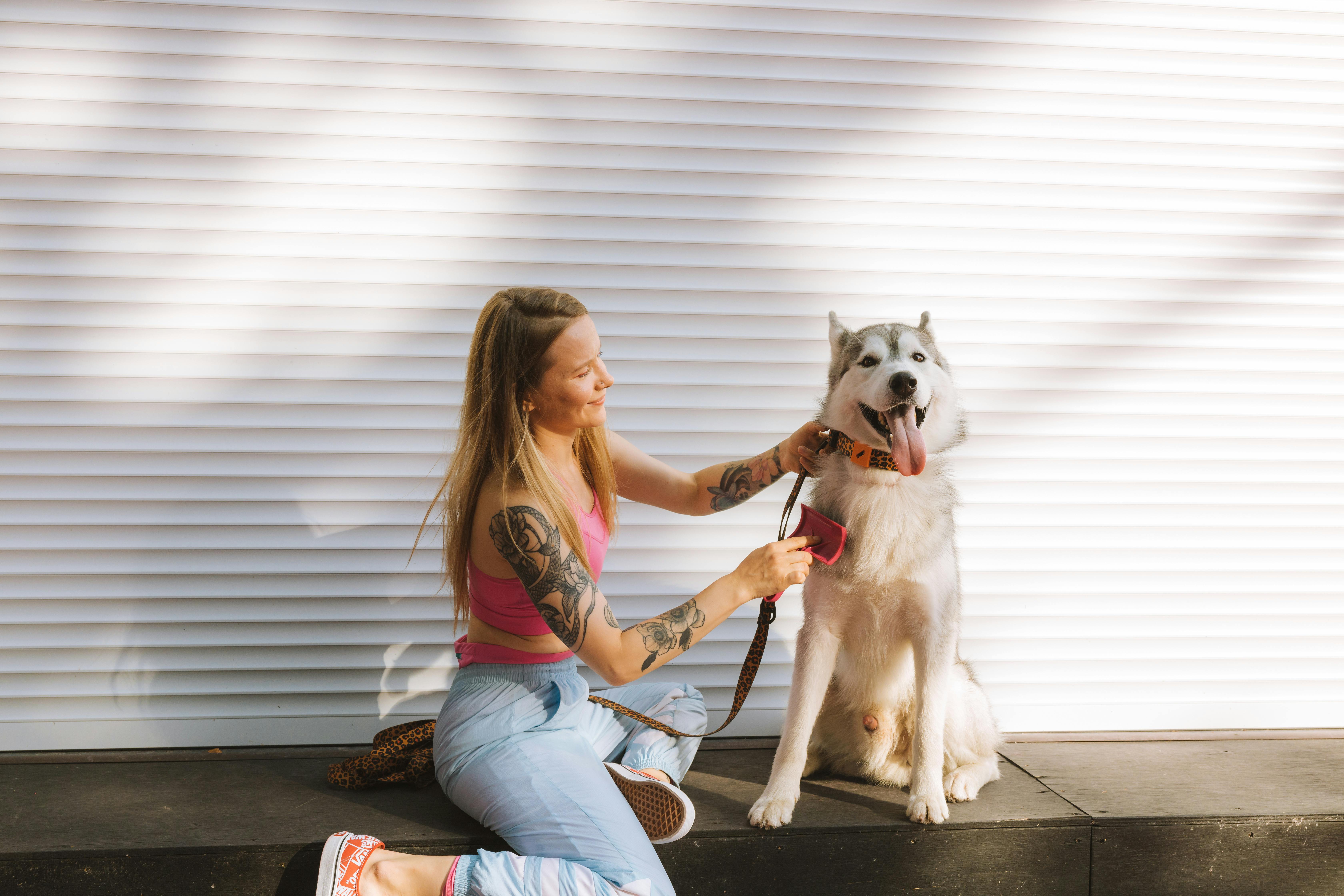
Why a Generic Dog Brush Won't Cut It on a Husky
Most dog breeds carry a single coat — one layer of hair that grows, dies, and sheds in a fairly steady rhythm. Huskies wear two distinct layers: a long, coarse topcoat called guard hair, and a dense, woolly undercoat that insulates against both cold and heat. The undercoat is the source of the tumbleweeds.
A standard bristle brush or pin brush only skims the guard hairs. It might make the coat look smoother for an hour, but it doesn't pull the loose undercoat that's already detached and ready to fall. According to the American Kennel Club's Siberian Husky breed profile, regular brushing during shedding season is essential — and the right tool matters because the undercoat can mat against the skin if it's not lifted out.
The three jobs your tools need to handle
No single tool does everything. A complete husky deshedding kit needs to:
- Reach the undercoat without cutting or pulling guard hairs.
- Lift loose hair off the surface between deep sessions.
- Loosen dead coat before and after baths so water doesn't mat it down.
The Undercoat Rake: The One Tool That Changes Everything
If you buy one thing, buy a long-tooth undercoat rake. Not a slicker, not a Furminator, not a rubber curry — a rake with metal teeth long enough to sink through the guard coat and comb out the underwool.
The best rakes have two key features: teeth that are long (typically 3/4 to 1 inch) and widely spaced, and a design that lets the teeth rotate or flex so they don't snag. Brands like Pat Your Pet, GoPets, and FURminator make long-hair undercoat rakes, but the tool geometry matters more than the logo. Look for a rake labeled for "long-haired" or "double-coated" breeds, not a generic deshedder.
How to use it without hurting your dog
Hold the rake at a shallow angle to the skin and work in the direction of hair growth. Use short strokes, not long dragging ones. Lift a section of coat with your free hand, rake the undercoat underneath, then move to the next section. Most owners work shoulders, back, sides, hindquarters, chest, then the "pants" and tail. A 15-minute session twice a week during a blow will remove more fur than ten minutes of daily surface brushing.
Slicker Brushes: Daily Maintenance, Not Deep Deshedding
A slicker brush is a flat pad covered in fine, bent wire teeth. It's excellent for finishing work — smoothing the topcoat, lifting surface dust, and catching the loose guard hairs that are already on their way out. It is not a replacement for an undercoat rake.
The most owner-friendly slickers for huskies have self-cleaning pads (a button that retracts the bristles so the fur lifts off in a sheet) and slightly longer pins that won't scratch skin. The Hertzko Self-Cleaning Slicker Brush and the Chris Christensen Big G are commonly recommended in husky owner groups, though any self-cleaning long-pin slicker will do the job.
When to use the slicker
Use it on non-blow weeks to keep the coat tidy, or at the end of a rake session to collect the last loose hairs. Daily two-minute slicker sessions during heavy shedding keep fur off your furniture without irritating the skin.
De-shedding Shampoos and Conditioners: Helpful, Not Magic
No shampoo can stop a husky from shedding. What a good de-shedding shampoo can do is hydrate the skin, loosen the dead undercoat, and make the post-bath brush-out far more productive. Ingredients that matter: omega-3 and omega-6 fatty acids, colloidal oatmeal, aloe vera, and mild surfactants that don't strip natural oils.
The bath sequence that actually helps is: brush thoroughly before the bath, wash with a moisturizing shampoo, rinse extremely well, towel dry, then brush again while the coat is slightly damp. The pre-bath brush removes loose hair before water can mat it. The post-bath brush pulls the softened undercoat out in clumps. Skip either step and you risk turning loose undercoat into felted mats.
Conditioner is optional but useful
A light, silicone-free conditioner or a diluted apple-cider-vinegar rinse can help close the hair cuticle and reduce static, which means less hair sticking to your hands and clothes during brushing. Avoid heavy conditioners that leave residue — they can flatten the coat and trap shed hair against the skin.
High-Velocity Dryers: The Professional Secret
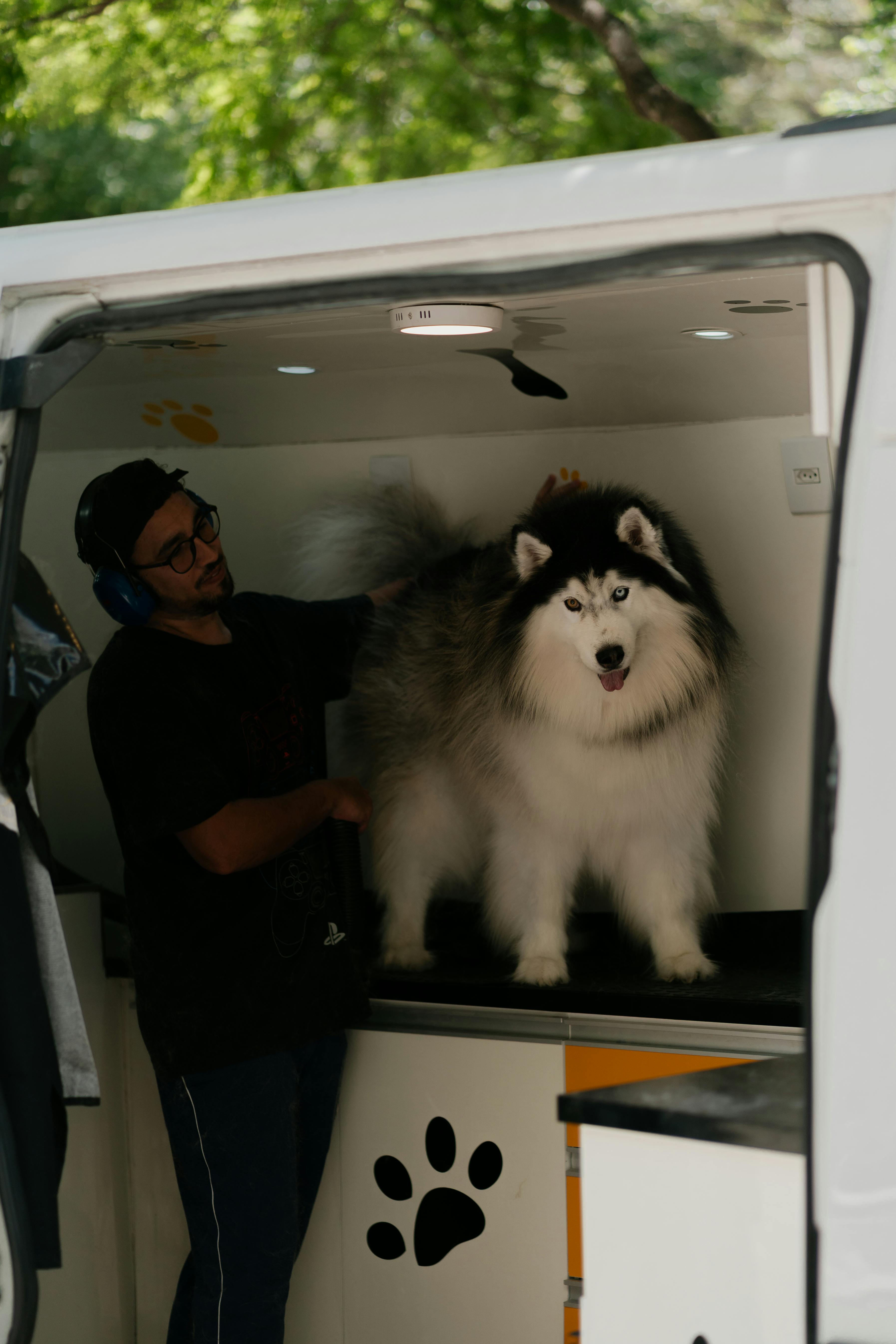
Ask any professional groomer who works on huskies what their most important tool is, and most will name the high-velocity dryer before any brush. These dryers blow forced air at high speed through the coat, blasting loose undercoat out faster than manual brushing alone.
Popular options include the K-9 III, Metro Air Force Commander, and SHELANDY variable-speed dryers. For home use, a variable-speed model is worth the extra cost because huskies are noise-sensitive and a full-blast dryer can spook a dog who's never experienced it. Start on low, aim at the hindquarters first (less sensitive than the face), and always dry outside or in a contained area — you'll be amazed how much fur becomes airborne.
Safety rules for forced-air dryers
- Never point the nozzle at the face, ears, or genitals.
- Keep the nozzle moving; concentrated heat or air on one spot can irritate skin.
- Use the lowest effective speed, especially on puppies or anxious dogs.
- Wear a mask if you're allergic; the air fills with fine dander during a blow.
Dematting Combs and When You Actually Need One
Huskies don't mat as easily as Poodles or Golden Retrievers, but small mats can form behind the ears, under the front legs, and in the pants during a heavy blow — especially if the dog gets wet before brushing. A dematting comb with curved, serrated blades can break up these mats without pulling large chunks of hair.
Only use a dematting comb on actual mats. Running it through normal coat will thin the undercoat unevenly and can create bald patches. If a mat is larger than a quarter, most groomers recommend clipping it out rather than combing it, because combing becomes painful for the dog.
Tools to Skip (or Use With Caution)
Not every tool marketed for "deshedding" is safe for a double coat. Some actively damage it.
The original blade-style deShedder
Tools with a sharp metal edge that physically cut through the coat — including some early FURminator designs and similar blade combs — remove undercoat by slicing it. Used incorrectly, they can thin the guard coat, cause clipper burn, or leave the coat texture permanently changed. If you use one, choose the long-hair size, use it lightly, and never use it more than once a week.
Rubber curry mitts
Curry mitts are great for short-coated Labs. On a husky, they mostly push surface hair around and don't reach the undercoat. They're fine as a bath-time massage tool, but they won't reduce household shedding.
Anything labeled "quick shed" with motorized blades
Motorized deshedding tools are a red flag. They're loud, heat up with use, and the blades can nick skin or break guard hairs. Huskies are already noise-sensitive; a vibrating blade near their skin is a recipe for grooming anxiety.
Building a Minimal Husky Grooming Kit
You don't need twenty tools. For most husky owners, a four-piece kit covers 95% of deshedding needs:
- Long-tooth undercoat rake — twice weekly during blows, weekly otherwise.
- Self-cleaning slicker brush — daily touch-ups and finishing.
- Moisturizing shampoo + conditioner — used every 6–12 weeks, with brush-out before and after.
- High-velocity dryer — optional but transformative, especially during peak shed.
Total realistic budget: $40–$80 for the brush set, $15–$25 for shampoo, and $100–$250 if you add a home dryer. A single professional groom during a heavy blow can cost $80–$150, so the home kit pays for itself quickly.
Technique Beats Tool Quality
The best undercoat rake in the world won't help if you brush like you're dusting furniture. Two technique tips make the biggest difference:
Section the coat. Huskies are dense. Lift the hair with one hand and work in small patches. If you're not seeing undercoat come out, your strokes are too shallow or too fast.
Brush before baths. This is the rule most owners break. Water + loose undercoat = mats. A 10-minute rake before a bath removes the hair that would otherwise felt against the skin. After the bath, brush again while the coat is damp to pull the softened undercoat free.
For a full step-by-step on seasonal coat management, see our complete Husky shedding guide. It covers the timing, diet, and warning signs that mean a vet visit, not a better brush.
Owner Story: The $200 Lesson
"I bought the fanciest slicker brush the pet store had, plus one of those rubber mitts, and I was still vacuuming twice a day," says Jen, who lives with two huskies in Spokane, Washington. "Then a groomer friend handed me an undercoat rake and showed me how to section the coat. The first session pulled out enough fur to fill a pillowcase. I haven't used the mitt since. The rake cost $18."
That experience is common. The right tool, used correctly, removes in one session what a surface brush moves around for a month.
FAQ
What is the best brush for a husky that sheds a lot?
A long-tooth undercoat rake is the best brush for heavy husky shedding. It reaches through the guard coat and removes the loose undercoat that causes most household fur. Use a slicker brush only for surface finishing and daily touch-ups.
How often should I deshed my husky?
During a coat blow (usually spring and fall), brush with an undercoat rake two to three times a week for 15 to 20 minutes. Outside of blow season, once a week is usually enough. Daily slicker brushing helps control surface hair.
Can I use a FURminator on a husky?
You can use a FURminator long-hair undercoat tool, but use it gently and infrequently — no more than once a week. The blade-style edge can damage the guard coat or irritate skin if used too aggressively. A traditional undercoat rake is safer for frequent use.
Do de-shedding shampoos really work?
They don't stop shedding, but they loosen the undercoat and hydrate the skin, making the brush-out after a bath much more effective. For best results, brush thoroughly before bathing, then brush again while the coat is damp after rinsing.
Should I shave my husky to reduce shedding?
No. Shaving a husky damages the double coat and disrupts thermoregulation. The undercoat may not grow back properly, leaving the dog vulnerable to both heat and cold. Brushing is the only safe way to manage shedding.
Is a high-velocity dryer worth it for home grooming?
For owners who groom at home during heavy shed, yes. A variable-speed high-velocity dryer can remove loose undercoat in minutes and cut total brushing time significantly. Start on low speed and always dry outside or in a contained area.
What's the difference between an undercoat rake and a slicker brush?
An undercoat rake has long, widely spaced teeth designed to reach the dense underwool. A slicker brush has short, fine pins that only skim the surface. Rakes remove the hair that causes shedding; slickers tidy the topcoat.
Reviewed by the HuskySpot Veterinary Review Panel
This article was reviewed by the HuskySpot Veterinary Review Panel for medical and grooming accuracy. The panel includes licensed veterinarians and professional groomers with experience in northern-breed coat care. Always consult your own veterinarian or groomer for advice specific to your dog's coat condition.
Sources
- American Kennel Club — Siberian Husky breed profile and grooming guidance
- PetMD — seasonal shedding and undercoat management in double-coated breeds
- VCA Animal Hospitals — coat care and why double coats should not be shaved
- Cornell University College of Veterinary Medicine — photoperiod and canine hair-growth cycling
- MSD Veterinary Manual — hypothyroidism and abnormal shedding patterns in dogs
About the Author
This guide was written by the HuskySpot Editorial Team, a group of long-time husky owners, sled-dog handlers, and breed-club contributors who test every recommendation against real northern-breed coats. Read more about our authors on the HuskySpot author page.
What's the best deshedding tool you've found for your husky? Drop your pick in the comments — other owners are always looking for gear that actually works.