Seeing your Siberian Husky limp can be alarming. These energetic, athletic dogs are known for their graceful movement and stamina, so any sign of lameness raises immediate concern. Limping can be caused by something as simple as a small pebble stuck in the paw or as serious as a fracture or joint disease. This comprehensive guide will walk you through the common causes of husky limping, how to assess the severity, first aid steps, veterinary diagnosis, treatment options, and prevention tips. By understanding what lies behind your dog's limp, you can make informed decisions and ensure your Husky gets the care it needs.
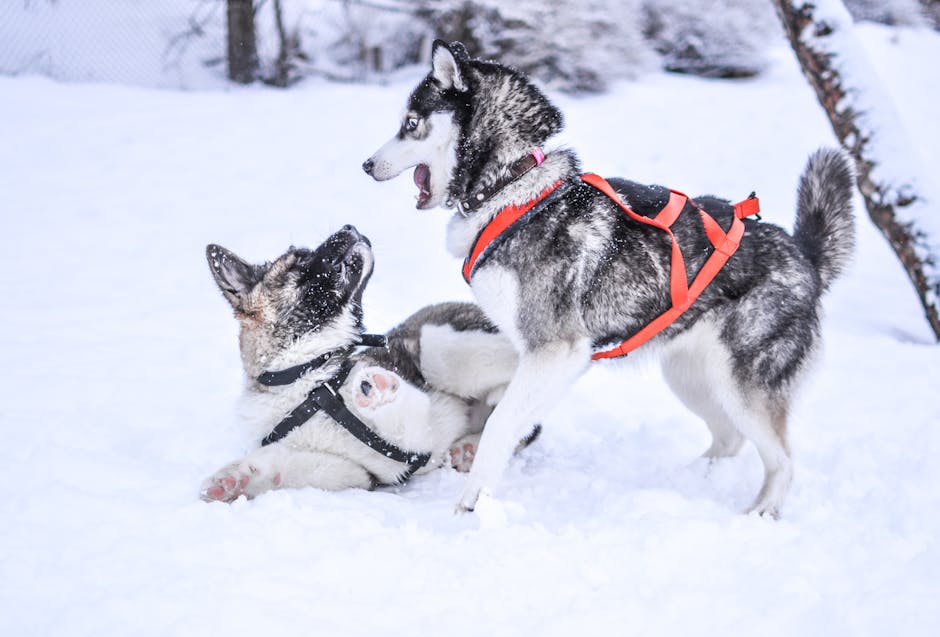
Common Causes of Limping in Siberian Huskies
Siberian Huskies are prone to certain conditions that can lead to limping. The causes range from acute injuries to chronic developmental problems. Here are the most frequent:
Injuries and Trauma
Huskies are active, high-energy dogs that love to run, jump, and play. This lifestyle puts them at risk for:
- Sprains and Strains: Overstretching or tearing ligaments or muscles, especially in the legs and hips.
- Fractures: Broken bones from falls, collisions, or stepping in holes.
- Dislocations: Joints like the kneecap (patellar luxation) can slip out of place.
- Soft Tissue Injuries: Bruises, muscle tears, or tendon damage after vigorous exercise.
Developmental Issues
Some Huskies inherit or develop structural problems:
- Hip Dysplasia: A malformation of the hip joint causing pain and instability. Common in larger breeds, including Huskies.
- Elbow Dysplasia: Abnormal development of the elbow joint, leading to lameness in the front legs.
- Patellar Luxation: The kneecap pops out, causing a sudden limp that may come and go.
Arthritis and Joint Problems
As Huskies age, degenerative joint disease can develop. Arthritis causes inflammation, stiffness, and chronic limping. Obesity and previous injuries increase the risk.
Paw Problems
Huskies have thick paw pads, but they are still vulnerable:
- Cuts or Abrasions: Stepping on glass, sharp rocks, or ice.
- Cracked or Dry Pads: Harsh weather, rough terrain, or lack of moisture.
- Nail Issues: Torn or broken nails that are painful.
- Burns: Hot pavement or sand in summer.
Foreign Objects
Small stones, thorns, burrs, or even snowballs can get lodged between the toes or under the pad, causing discomfort and limping.
Bone Cancer (Osteosarcoma)
Though less common, aggressive bone tumors can occur in older Huskies. Limping that worsens over time and does not improve with rest should be examined by a vet immediately.
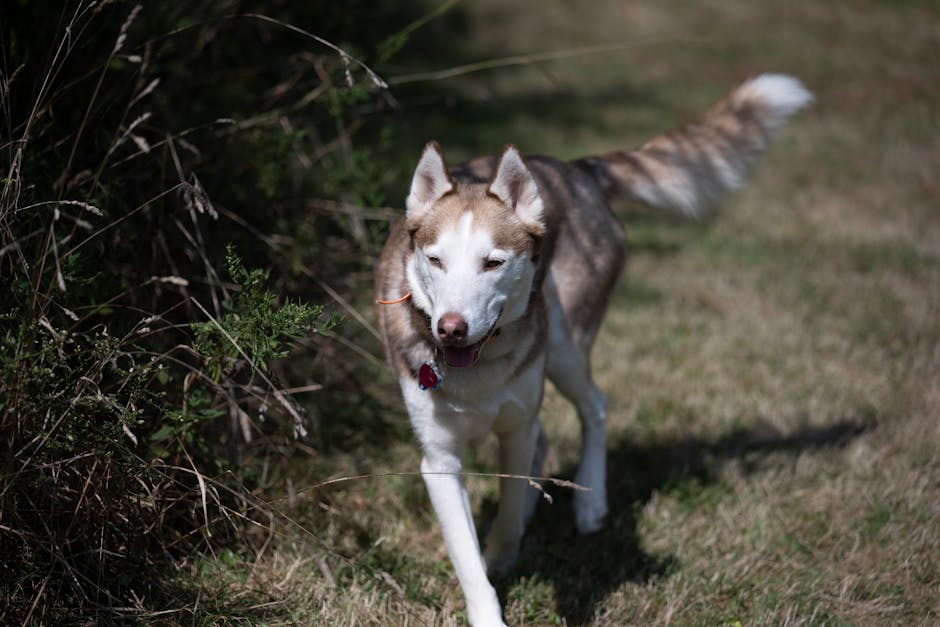
How to Identify the Severity of Your Husky's Limp
Determining how serious the limp is will guide your next steps. Use this quick reference table:
| Severity Level | Signs | Action Recommended |
|---|---|---|
| Mild | Occasional hesitation, slightly favoring a leg, no whining. Dog still eating and playing. | Rest 24-48 hours, check paw for debris. Monitor closely. |
| Moderate | Consistent limp, refusal to put weight on leg, visible swelling or heat, mild whining when touched. | Rest, ice if swollen, see vet within 24 hours. |
| Severe | Leg hanging or unable to use, severe pain (crying, snapping), open wound, deformity, or non-weight bearing. | Emergency veterinary care immediately. |
First Aid and Immediate Steps
If your Husky starts limping, stay calm. Here is what you can do before calling the vet:
- Stop Activity: Keep your dog still. No running, jumping, or stairs.
- Inspect the Paw: Gently look between toes, pads, and nails for cuts, swelling, or foreign objects. Use a flashlight if needed.
- Ice the Area: If swelling is present, wrap an ice pack in a thin cloth and apply for 15 minutes. This reduces inflammation.
- Wrap Loose Bandage: If the paw is bleeding, use a clean cloth and slight pressure. Do not apply tight bandages that could cut circulation.
- Restrict Movement: Confine your Husky to a small room or crate to prevent further injury. Offer food and water.
- Do NOT Give Human Medications: Never give ibuprofen, aspirin, or acetaminophen—they are toxic to dogs. Only use vet-prescribed pain relievers.
When to See a Vet
While some mild limps resolve with rest, these signs warrant professional evaluation:
- Limping persists more than 24 hours.
- Your Husky is in obvious pain (whimpering, panting, unable to sleep).
- Visible swelling, redness, or heat around a joint.
- Inability to bear any weight on the leg.
- History of trauma (fall, car incident).
- Puppy limping (may indicate growth plate injury or developmental issue).
Early diagnosis often leads to better outcomes. Delaying care can worsen conditions like fractures or infections.
Diagnosis and Veterinary Examination
At the vet, expect a thorough process to pinpoint the cause:
- Observation: The vet will watch your Husky walk and stand, noting which leg is affected and how.
- Palpation: Careful feeling of bones, joints, and muscles to identify swelling, heat, or pain.
- X-rays: important for detecting fractures, joint abnormalities, or bone cancer.
- Blood Tests: May be used to rule out infections or inflammatory conditions.
- Advanced Imaging: CT scans or MRIs for complex cases like spinal issues or ligament tears.
- Joint Fluid Analysis: If joint infection or arthritis is suspected.
Based on findings, the vet will recommend an appropriate treatment plan.
Treatment Options
Treatment varies depending on the underlying cause. Here are common approaches:
Rest and Activity Modification
For mild sprains, bruises, or overuse, strict rest for 3–7 days is often sufficient. Use a crate or small penned area to limit movement. Leash walks only for potty breaks. Gradually reintroduce activity as pain subsides.
Medication
- NSAIDs (Non-Steroidal Anti-Inflammatory Drugs): Vet-prescribed like carprofen or meloxicam for pain and swelling. Never use human NSAIDs.
- Steroids: For severe inflammation or autoimmune conditions, short courses may be used.
- Joint Supplements: Glucosamine, chondroitin, omega-3 fatty acids to support joint health long-term.
Surgery
Indicated for fractures, hip/elbow dysplasia, patellar luxation, ACL tears, or tumors. Options include:
- Fracture repair with pins or plates.
- Hip replacement or femoral head ostectomy (FHO) for severe hip dysplasia.
- Stifle joint stabilization for torn ACL.
- Amputation for bone cancer (if necessary).
Physical Therapy and Rehabilitation
After injury or surgery, controlled exercises (hydrotherapy, massage, laser therapy) help restore mobility and strength. Many vets recommend working with a certified canine rehabilitation therapist.
Weight Management
If your Husky is overweight, even small extra pounds put stress on joints. A weight loss diet and portion control can significantly reduce limping from arthritis or dysplasia.
Prevention Tips
While not all causes can be prevented, you can reduce risks:
- Maintain Healthy Weight: Feed a balanced diet and avoid overfeeding. Use measuring cups.
- Regular Exercise: Keep your Husky active with low-impact activities like walking, swimming, or fetch on soft surfaces. Avoid excessive jumping.
- Paw Care: Trim nails regularly. Apply paw balm in winter to prevent cracks. Check paws after walks for debris, ice balls, or cuts.
- Joint Supplements: For older dogs or those predisposed to dysplasia, consider vet-recommended supplements.
- Safe Environment: Remove hazards from your yard—sharp tools, holes, slippery surfaces. Use dog boots for rough terrain.
- Regular Vet Checkups: Annual exams can catch early signs of joint problems or other health issues.
- Warm-Up and Cool-Down: Just like humans, dogs benefit from gentle warm-up before intense exercise and cool-down stretches after.
Frequently Asked Questions
Can a limping Husky get better on its own?
Mild limps from minor muscle soreness or a small bruise may resolve within 1–2 days of rest. However, if limping persists, worsens, or is accompanied by swelling, veterinary attention is necessary.
Why is my Husky limping but not crying?
Dogs often hide pain. A limp without vocalization can still indicate discomfort. It may be a low-grade issue like early arthritis or a minor sprain. Monitor closely and consult your vet if it continues.
Is limping always a sign of injury?
Not always. Limping can also result from chronic conditions like hip dysplasia, rheumatoid arthritis, or even a neurological problem affecting coordination. A vet can determine the root cause.
Should I walk my Husky while it's limping?
No. Walking can aggravate the injury. Restrict activity until you know the cause. If you must take your dog outside for elimination, keep walks extremely short and on a leash.
Do Siberian Huskies get limping from cold weather?
Yes. Ice, snow, and frozen ground can cause cracked paw pads, frostbite, or joint stiffness in cold weather. Protect paws with booties and limit time outdoors in extreme conditions.
Conclusion
Limping in Siberian Huskies should never be ignored. While some cases are minor, others require prompt medical intervention. By familiarizing yourself with the common causes, assessing severity, and taking appropriate first aid steps, you can minimize your dog's discomfort. Always err on the side of caution—if in doubt, consult your veterinarian. With proper care, your Husky can return to its happy, playful self in no time. Remember, prevention through weight management, paw care, and regular checkups is the best strategy to keep your furry friend moving smoothly for years to come.
Recommended Products for Your Husky
As an Amazon Associate, we earn from qualifying purchases. Learn more.
- Husky Care Essentials — Check price on Amazon
- Best-Selling Dog Gear — Check price on Amazon
- Newest Husky Products — Check price on Amazon
Editor's Note
We've handled the bloat scare more times than we can count. The rule we drilled into every client: no exercise for an hour after meals. A distended belly with unproductive retching is an ER trip, not a wait-and-see.
Sources & Further Reading
HuskySpot researches each topic against recognized breed and veterinary authorities. The following organizations inform our content: