
Understanding the Basics of Kibble and Raw Diets
Before mixing kibble and raw, it's crucial to understand each component. A raw diet typically consists of muscle meat, bones, organs, and vegetables, aiming to mimic a wolf's natural prey. Kibble is a processed commercial food designed to be nutritionally complete. Mixing them can provide variety but requires careful balancing to avoid digestive upset or nutritional deficiencies.
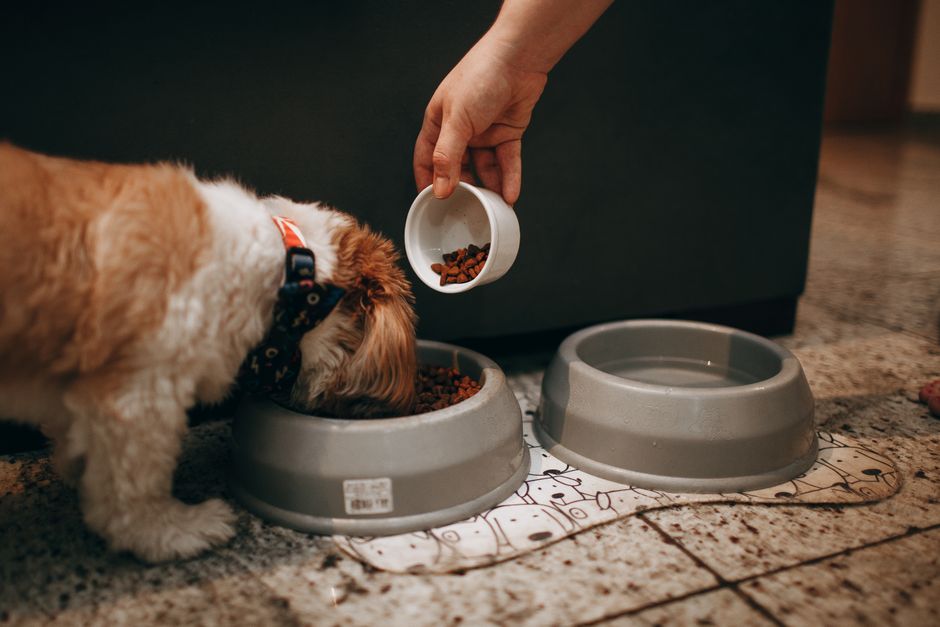
Why Mix Kibble and Raw for Your Husky?
Many Husky owners choose a mixed diet for several reasons:
- Nutritional Variety: Raw adds enzymes and moisture, while kibble provides convenience and balanced vitamins.
- Palatability: Adding raw can entice picky eaters.
- Cost-Effectiveness: Raw can be expensive; mixing reduces costs while offering benefits.
- Transition Ease: Moving from kibble to raw is easier with a gradual mix.

Potential Risks of Mixing Kibble and Raw
While beneficial, mixing improperly can cause:
- Digestive Upset: Raw digests faster than kibble; mixing can lead to gas, diarrhea, or vomiting.
- Bacterial Contamination: Raw meat carries bacteria like Salmonella and E. coli. Proper handling is essential.
- Nutritional Imbalance: Raw diets need precise ratios (e.g., 80% meat, 10% bone, 10% organ). Adding kibble alters this balance.
How to Safely Transition Your Husky to a Mixed Diet
Step 1: Consult Your Veterinarian
Always check with a vet familiar with raw feeding to ensure your Husky has no underlying health issues (e.g., pancreatitis, kidney disease).
Step 2: Start Slowly
Begin with 75% kibble and 25% raw for the first 3–5 days. Monitor stool consistency and energy. Gradually increase raw by 10% every few days. A typical transition takes 1–2 weeks.
Step 3: Choose High-Quality Ingredients
Use human-grade raw meat from reputable sources. For kibble, select a grain-free formula with high protein content suitable for active breeds like Huskies.
Proper Ratios and Proportions for a Mixed Diet
There is no one-size-fits-all ratio, but a common starting point is:
- 60% Kibble + 40% Raw: Easy for digestion while providing raw benefits.
- 80% Raw + 20% Kibble: For those aiming for near-raw diets.
- Alternate Meals: Feed raw in the morning and kibble in the evening, avoiding mixing in the same bowl.
Always calculate the total daily calories (approx. 30–40 calories per pound of body weight for an active Husky) and ensure the raw portion follows the 80/10/10 guideline (80% muscle meat, 10% bone, 10% organ). Adjust portions based on your dog's activity level and body condition.
Food Safety Practices When Handling Raw Meat
To prevent bacterial cross-contamination:
- Thaw raw meat in the refrigerator, not on the counter.
- Use separate cutting boards and utensils for raw meat and kibble.
- Clean bowls and surfaces with hot soapy water or a 10% bleach solution after each meal.
- Wash hands thoroughly after handling.
- Store raw meat in sealed containers in the fridge for up to 3 days or freeze for longer storage.
Recommended Combinations for Your Husky
Here are two balanced mixed meals suitable for a 50-pound Husky (adjust quantities accordingly):
| Ingredient | Raw Mix | Kibble |
|---|---|---|
| Chicken thighs (bone-in) | 8 oz | — |
| Chicken liver | 1 oz | — |
| Ground turkey | 4 oz | — |
| High-quality kibble | — | 1 cup (approx. 4 oz) |
| Steamed broccoli (optional) | 2 tbsp | — |
Alternatively, a simpler option: 1 cup kibble topped with 3 oz raw ground beef and 1 oz beef liver. Rotate proteins weekly to ensure nutrient diversity.
Supplements to Consider When Mixing
A mixed diet may not be fully balanced. Consider adding:
- Omega-3 Fatty Acids: Fish oil for coat and joint health (1,000 mg per 10 lbs body weight).
- Probiotics: To support digestion during transition.
- Calcium: If the raw portion lacks bone, add a calcium supplement (e.g., eggshell powder).
- Vitamin E: An antioxidant; 100–200 IU per day for adult Huskies.
Always consult a vet before adding supplements to avoid overdosing.
Common Mistakes to Avoid
- Mixing in the Bowl: This can cause digestive issues as raw digests faster. Feed separately or at different meals.
- Too Much Bone: Excess bone leads to constipation. Stick to a 10% ratio.
- Inconsistent Schedule: Huskies thrive on routine. Feed at the same times daily.
- Ignoring Stool Changes: Any persistent loose stool or vomiting indicates a need to slow transition or adjust ratios.
- Using Low-Quality Kibble: Cheap kibble with fillers can counteract raw benefits. Choose a high-protein, low-carb formula.
Conclusion
Mixing kibble and raw can offer your Siberian Husky a nutritious, varied diet that combines convenience with ancestral nutrition. The key is to transition slowly, maintain proper ratios, practice rigorous food safety, and monitor your dog's health. Every Husky is different, so adjust based on individual tolerance and consult your veterinarian for personalized guidance. With careful planning, you can safely provide the best of both worlds for your furry friend.
Recommended Products for Your Husky
As an Amazon Associate, we earn from qualifying purchases. Learn more.
- Husky Care Essentials — Check price on Amazon
- Best-Selling Dog Gear — Check price on Amazon
- Newest Husky Products — Check price on Amazon
Frequently Asked Questions
How often should Huskies eat?
Adults do well on two meals a day. Puppies under six months need three to four smaller feedings to avoid blood-sugar dips.
Can Huskies eat raw food?
A balanced raw diet is possible but risky without proper formulation — bone, bacteria, and nutrient imbalance are real dangers. Consult a vet nutritionist first.
What human foods are toxic to Huskies?
Never feed chocolate, grapes, raisins, onions, garlic, xylitol, or cooked bones. These can cause kidney failure, anemia, or gut perforation.
Editor's Note
Our editors have handled more food-transition disasters than we'd like. The 7-to-10-day rule exists for a reason—husky stomachs are sensitive, and a one-day switch means three days of cleanup. We now print the schedule on the food bag.
Sources & Further Reading
HuskySpot researches each topic against recognized breed and veterinary authorities. The following organizations inform our content: