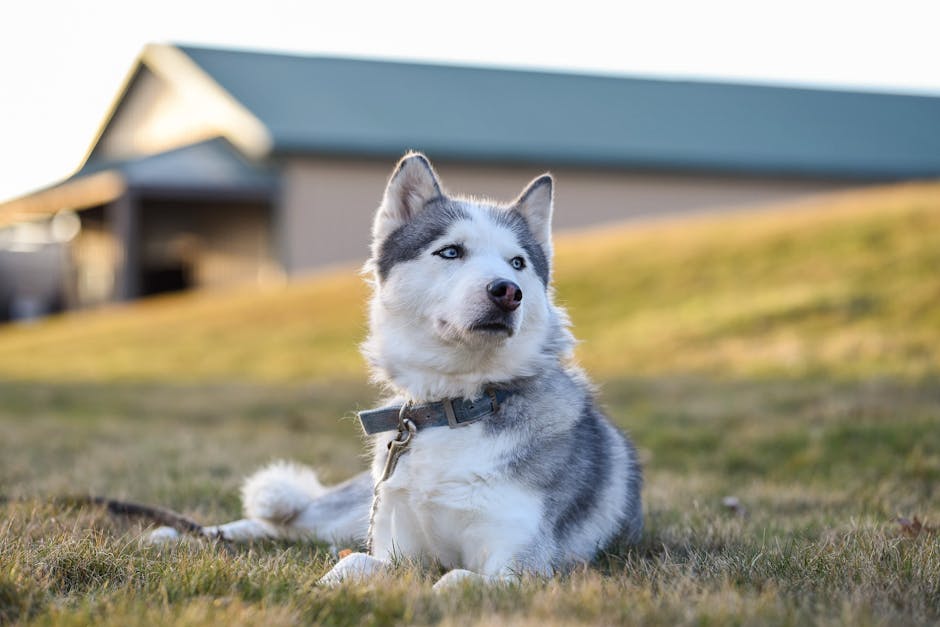
Understanding Pancreatitis in Huskies
Pancreatitis is an inflammation of the pancreas that can be acute or chronic. In Siberian Huskies, this condition can be triggered by high-fat diets, obesity, certain medications, or even genetics. The pancreas produces digestive enzymes; when inflamed, these enzymes can leak into the abdominal cavity, causing severe pain and damage to surrounding tissues. Recognizing the signs early—vomiting, diarrhea, lethargy, abdominal pain, and loss of appetite—is crucial for prompt treatment and dietary management.
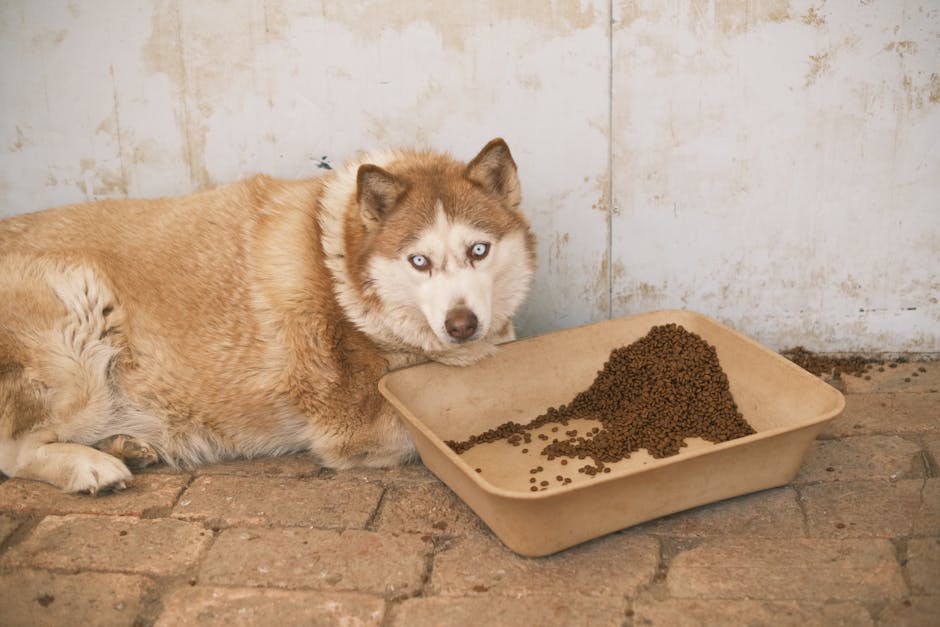
Why Diet Is Critical for Managing Pancreatitis
Dietary management is the cornerstone of treating pancreatitis in Huskies. The goal is to reduce pancreatic stimulation, allowing the organ to rest and heal. A low-fat, easily digestible diet minimizes the need for the pancreas to produce digestive enzymes. High-fat meals are the most common trigger, so strict fat restriction is essential. Additionally, feeding smaller, more frequent meals helps prevent overloading the digestive system.
Key Nutritional Principles
- Low Fat: Fat content should be less than 10% on a dry matter basis, ideally around 5-8%.
- High-Quality Protein: Easily digestible proteins like chicken breast, turkey, or fish (without added oils).
- Complex Carbohydrates: White rice, sweet potatoes, or oatmeal provide energy without taxing the pancreas.
- Fiber: Soluble fiber (e.g., pumpkin, psyllium) can help stabilize digestion.
- Hydration: Plenty of fresh water; consider adding low-sodium broth to encourage drinking.
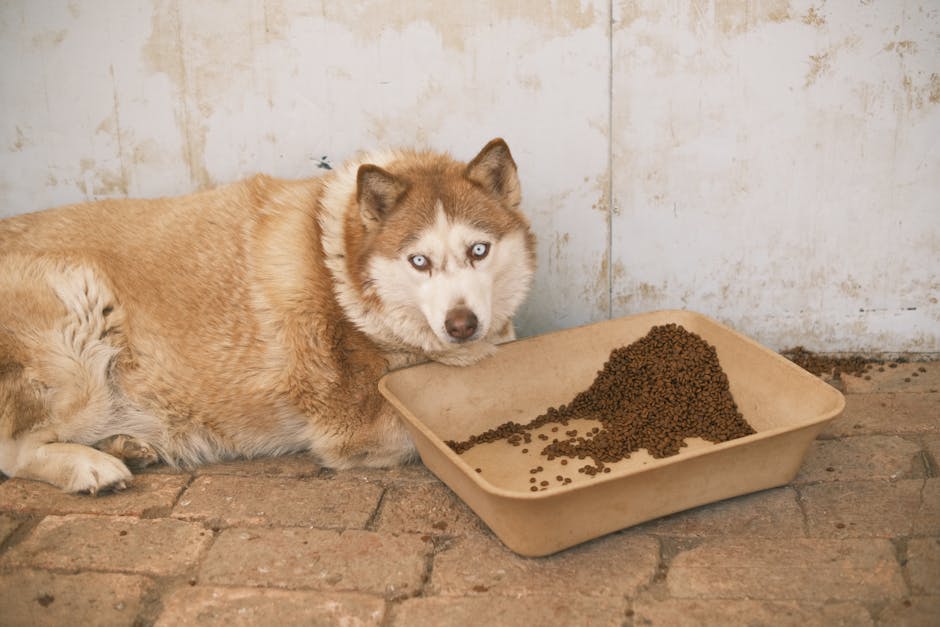
Foods to Feed Your Husky with Pancreatitis
When selecting commercial or homemade foods, always check labels for fat content. Below is a table of safe and unsafe foods.
| Safe Foods (Low Fat) | Unsafe Foods (High Fat / Inappropriate) |
|---|---|
| Skinless chicken breast (boiled) | Fatty cuts of beef, pork, or lamb |
| White fish (cod, tilapia) | Salmon, mackerel, or any fish in oil |
| Plain white rice or pasta | Butter, oils, fried foods |
| Low-fat cottage cheese (1% or less) | Full-fat cheese, cream, yogurt |
| Pumpkin puree (unsweetened) | Nuts, seeds, peanut butter |
| Green beans, carrots (cooked) | Avocado, corn, peas (moderate fat) |
| Oatmeal (plain, cooked) | Table scraps, gravy, bacon |
Commercial Diet Recommendations
Many veterinary prescription diets are formulated for pancreatitis, such as Hill's Prescription Diet i/d Low Fat, Royal Canin Gastrointestinal Low Fat, or Purina Pro Plan Veterinary Diets EN Low Fat. These are carefully balanced and often contain medium-chain triglycerides (MCTs) that are easier to digest. If opting for OTC food, select a brand with fat content below 10% and no added oils.
Sample Feeding Schedule
During an acute episode, your Husky may need to abstain from food for 24-48 hours (with vet approval) to rest the pancreas. Then, start with small, frequent meals: 4-6 meals per day of 1/4 to 1/2 cup each, depending on the dog's size. Gradually increase portion size as tolerated. A sample day might look like:
- 7:00 AM: 1/2 cup low-fat cottage cheese + 1/4 cup rice
- 12:00 PM: 1/3 cup boiled chicken + 1/3 cup sweet potato
- 5:00 PM: 1/2 cup white fish + 1/4 cup oatmeal
- 9:00 PM: 1/4 cup pumpkin puree + 1/4 cup low-fat kibble
Always consult your veterinarian to tailor the schedule to your Husky's specific needs.
Supplements That May Help
Probiotics
Probiotics can support gut health and reduce inflammation. Look for a canine-specific probiotic with Enterococcus faecium or Bifidobacterium animalis.
Digestive Enzymes
If your Husky has exocrine pancreatic insufficiency (EPI), enzyme replacement is essential. For pancreatitis alone, enzymes are not typically needed unless secondary EPI develops.
Omega-3 Fatty Acids
Low-dose fish oil (with vet guidance) can help reduce inflammation. Use a high-quality, purified oil to avoid contaminants.
Vitamin B12 and Antioxidants
Pancreatitis can lead to B12 deficiency. Consider a B12 supplement and antioxidants like vitamin E and selenium, but only under veterinary supervision.
Foods to Avoid Absolutely
- Any fatty meats, skin, or organs (liver, kidneys)
- Dairy products except low-fat cottage cheese in moderation
- Processed human foods (chips, cookies, fast food)
- Grapes, raisins, onions, garlic (toxic to dogs)
- High-fiber foods in large amounts (can cause gas)
Transitioning to a New Diet
Sudden diet changes can upset your Husky's stomach. Over 5-7 days, gradually mix the new low-fat food with the old food in increasing proportions. Monitor for any signs of discomfort, vomiting, or diarrhea. If symptoms reappear, revert to the previous diet and consult your vet.
Long-Term Management and Prevention
Once your Husky recovers, maintaining a low-fat diet is often necessary to prevent recurrence. Regular exercise, weight management, and avoiding high-fat treats help reduce risk. Schedule follow-up vet visits for blood work and pancreatic enzyme levels. Some Huskies may require lifelong dietary restrictions, while others can slowly reintroduce moderate fat after months of stability—always under vet guidance.
Frequently Asked Questions
Can I feed my Husky raw food during pancreatitis?
Raw diets often have high fat content and pose bacterial risks. They are generally not recommended during pancreatitis. If considered, work closely with a veterinary nutritionist.
Is homemade or commercial food better?
Both can work, but homemade requires careful balancing of nutrients. Commercial prescription diets are convenient and scientifically formulated for pancreatitis.
How long does a pancreatitis flare-up last?
Mild cases may resolve in a few days with proper treatment; severe cases can take weeks. Dietary management is crucial throughout.
Can treats be given?
Yes, but only low-fat options like plain rice cakes, frozen green beans, or small pieces of boiled chicken. Avoid commercial treats with high fat.
Managing pancreatitis in a Siberian Husky requires vigilance and dedication, but with the right diet, your furry friend can enjoy a good quality of life. Always prioritize veterinary guidance and listen to your Husky's body.
Recommended Products for Your Husky
As an Amazon Associate, we earn from qualifying purchases. Learn more.
- Husky Care Essentials — Check price on Amazon
- Best-Selling Dog Gear — Check price on Amazon
- Newest Husky Products — Check price on Amazon
Editor's Note
We've seen more zinc issues in huskies than any other breed we cover. Red, crusty noses in winter? Check the diet for bioavailable zinc before reaching for the vet bill. Meat and fish sources matter more than owners expect.
Sources & Further Reading
HuskySpot researches each topic against recognized breed and veterinary authorities. The following organizations inform our content: