Feeding a pregnant or nursing Siberian Husky requires careful attention to her nutritional needs to support both her health and the development of her puppies. This comprehensive guide covers everything from early pregnancy through weaning, with practical tips and detailed explanations to ensure your Husky mother and her litter thrive.

Understanding Nutritional Needs During Pregnancy
During pregnancy, a Husky's energy and nutrient requirements increase gradually. In the first two-thirds of gestation (weeks 1-6), her needs are only slightly higher than maintenance. However, from week 7 onward, fetal growth accelerates, and her calorie intake should increase by 25-50%. Focus on high-quality protein (22-26% dry matter), moderate fat (12-18%), and reduced carbohydrates to support fetal development without excessive weight gain.
Key Nutrients for Pregnant Huskies
- Protein: important for tissue growth and milk production. Sources include chicken, fish, eggs, and meat meal.
- Calcium and Phosphorus: Crucial for fetal bone development. Maintain a 1.2:1 to 1.4:1 ratio; avoid excess calcium which can cause skeletal issues.
- Omega-3 Fatty Acids: DHA supports puppy brain and eye development. Include fish oil or flaxseed.
- Folic Acid and B Vitamins: Helps prevent birth defects and supports energy metabolism.
Feeding Schedule for a Pregnant Husky
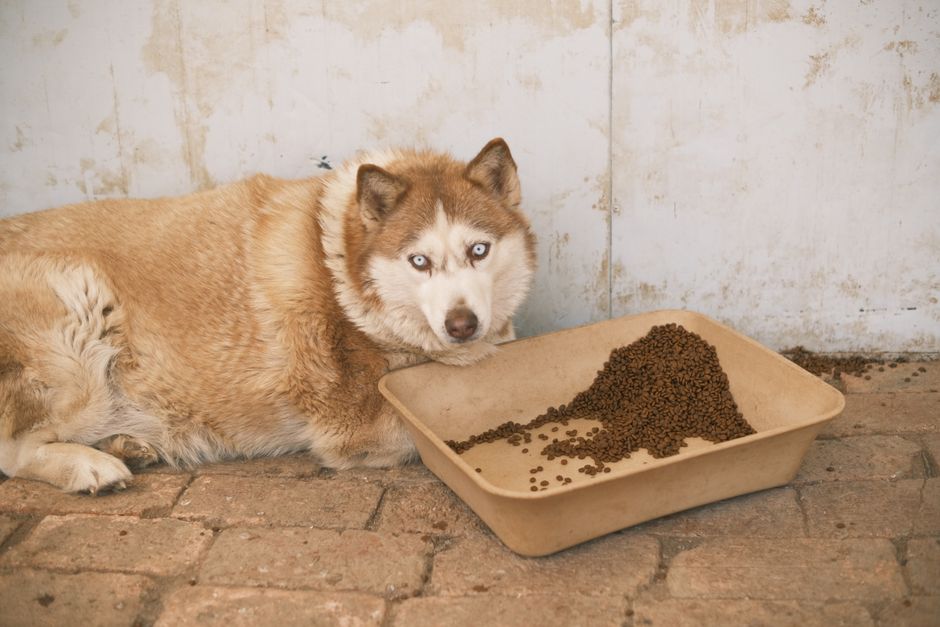
Divide her daily food into 3-4 smaller meals to ease digestion and prevent the uterus from pressing on the stomach. In early pregnancy, feed her regular adult maintenance diet. At week 6, transition to a high-quality puppy food (which is nutrient-dense) or a food labeled for all life stages. Continue this until weaning.
| Week of Pregnancy | Daily Calorie Increase | Meals per Day |
|---|---|---|
| 1-4 | 0-10% | 2 |
| 5-6 | 10-20% | 3 |
| 7-9 | 25-50% | 3-4 |
The Whelping Period and Immediate Post-Whelping
During labor, provide small, easily digestible meals like boiled chicken and rice. After delivery, her appetite may be low; offer water and broth. Within 24 hours, she should resume eating. Keep food and water nearby in her whelping box. Supplement with calcium if vet-recommended (but avoid over-supplementation as it can cause eclampsia).
Nursing (Lactation) Diet: The Most Demanding Phase
Lactation is the most energy-intensive period. A nursing Husky may need 2-4 times her normal maintenance calories depending on litter size. Feed a high-quality puppy formula (30-35% protein, 18-22% fat) 3-4 times a day. Free-choice feeding (always available) is often best, as she can eat when she needs. Monitor her body condition; she should lose weight gradually but not become emaciated.
Hydration is Critical
Milk production requires ample water. Provide fresh, clean water at all times, and consider wet food or adding water to dry kibble to increase fluid intake. A dehydrated mother can lead to reduced milk supply and health issues.
Types of Food: Dry vs Wet vs Raw
- Dry kibble: Convenient and economical. Look for puppy formulas with high protein and fat. Soak in warm water to increase moisture.
- Wet food: Higher moisture content, can stimulate appetite. Often more palatable but more expensive.
- Raw diet: Must be carefully balanced and free of pathogens. Consult a veterinary nutritionist. Commercial raw diets are safer.
- Homemade: Only under veterinary guidance to ensure nutrient balance.
Key Nutrients and Supplements
In addition to a balanced diet, consider these supplements with vet approval:
- Calcium: Only if prescribed; excess can cause issues. Many puppy foods have adequate calcium.
- Probiotics: Support digestion during stress.
- Omega-3s: Fish oil provides DHA for puppy brain development.
- Vitamin E: Antioxidant, supports immune health.
Common Feeding Problems
- Loss of appetite: Common during heat cycles or early labor. Offer tasty foods like cooked egg, sardines, or baby food (no onion/garlic). If persists more than 24 hours after delivery, consult a vet.
- Eclampsia (milk fever): Low calcium causing muscle tremors, restlessness, or seizures. Emergency: separate pups temporarily and give calcium gluconate injection (vet only). Prevent by not over-supplementing calcium during pregnancy.
- Weight loss: Ensure enough calories. Increase meal frequency or add high-calorie supplements.
- Diarrhea: Can be from diet change or stress. Feed bland diet (chicken, rice, pumpkin) and consult vet if continues.
Weaning the Puppies
Start weaning around 3-4 weeks. Gradually reduce the mother's food intake to discourage milk production. Offer puppies a gruel of puppy food mixed with warm water or formula. By 6-7 weeks, puppies should be fully weaned, and the mother can transition back to her regular adult maintenance food (slowly over 5-7 days).
Sample Feeding Chart for a Nursing Husky
| Week Post-Whelp | Approximate Daily Calories (for 50lb Husky) | Meals |
|---|---|---|
| 1 | 1,500 - 2,000 | 3-4 |
| 2-3 | 2,000 - 2,500 | 3-4 |
| 4-5 (peak lactation) | 2,500 - 3,000 | 4 |
| 6 (weaning starts) | 2,000 - 2,500 | 3 |
| 7+ (weaned) | 1,000 - 1,200 (maintenance) | 2 |
Conclusion
Feeding a pregnant or nursing Husky is a balancing act of providing enough nutrients for her and her puppies without causing obesity or deficiencies. Work closely with your veterinarian to adjust the diet as needed. With proper nutrition, your Husky will be healthy, her milk will be rich, and her puppies will have a strong start in life.
Recommended Products for Your Husky
As an Amazon Associate, we earn from qualifying purchases. Learn more.
- Husky Care Essentials — Check price on Amazon
- Best-Selling Dog Gear — Check price on Amazon
- Newest Husky Products — Check price on Amazon
Frequently Asked Questions
What human foods are toxic to Huskies?
Never feed chocolate, grapes, raisins, onions, garlic, xylitol, or cooked bones. These can cause kidney failure, anemia, or gut perforation.
Why is my Husky not eating?
A Husky skipping one meal is often fine — the breed is famously picky. Refusal beyond 24–48 hours, with lethargy, needs a vet check.
Should I feed grain-free food?
Grain-free is not inherently better and has been linked to heart concerns in some dogs. Whole grains are safe for most Huskies.
Editor's Note
In our experience the 'husky eats nothing' panic is overblown. A healthy husky will skip a meal and be fine. The ones we worried about were the ones who stopped drinking—that's the real red flag owners miss.
Sources & Further Reading
HuskySpot researches each topic against recognized breed and veterinary authorities. The following organizations inform our content: