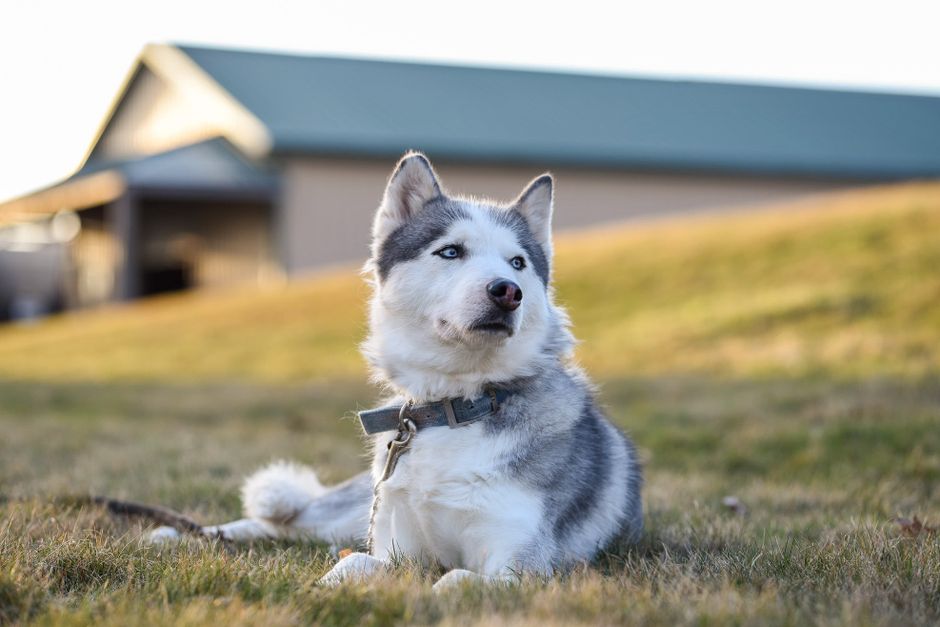
Understanding a Husky's Digestive System
Before answering the question, it's important to understand that many adult dogs, including Siberian Huskies, are lactose intolerant. After weaning, dogs produce less lactase, the enzyme needed to break down lactose in milk products. While some dogs retain some lactase production, others lose it entirely. This means cheese can cause digestive upset in many Huskies.

Potential Risks of Feeding Cheese to Huskies
Lactose Intolerance
The most common issue is lactose intolerance. Symptoms include loose stools, diarrhea, gas, bloating, and stomach discomfort. If your Husky shows any of these signs after eating cheese, it's best to avoid it.
High Fat Content
Cheese is high in fat, which can lead to pancreatitis—a painful and serious inflammation of the pancreas. Huskies with a history of pancreatitis or those prone to it should avoid high-fat cheeses like cheddar or cream cheese.
Sodium and Additives
Cheese can contain high levels of salt, which is not healthy for dogs. Excessive sodium can lead to increased thirst, urination, and even sodium ion poisoning in severe cases. Processed cheese products often have added onions, garlic, or other spices that are toxic to dogs.
Allergies
Some Huskies may be allergic to dairy proteins. Allergic reactions can manifest as itchy skin, ear infections, or gastrointestinal issues.
Obesity
Cheese is calorie-dense. Regular feeding without adjusting your Husky's main diet can contribute to weight gain, which stresses joints and can lead to other health problems.
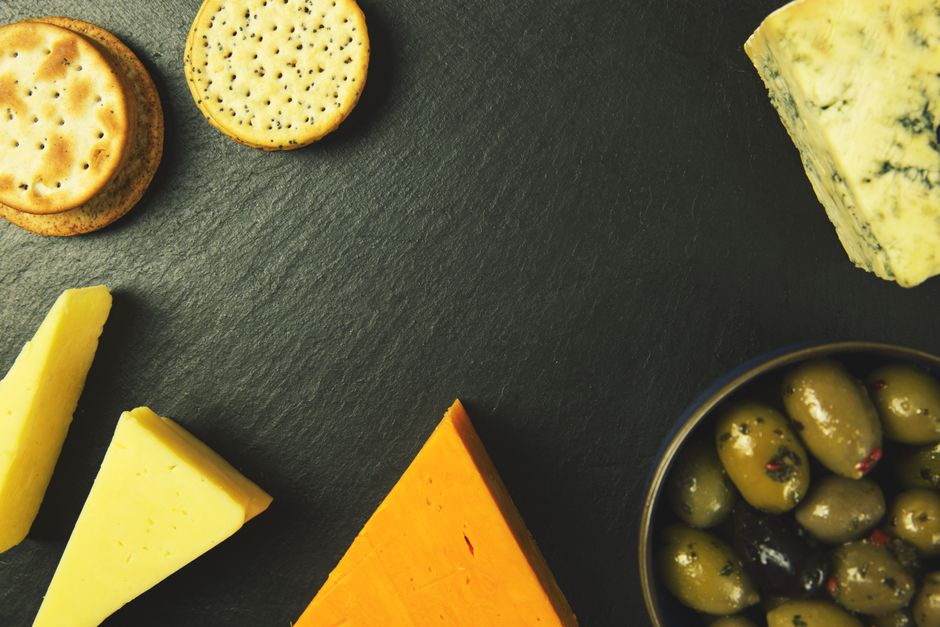
Benefits of Cheese as a Treat
Despite the risks, cheese can have benefits when used sparingly. It's a high-value treat perfect for training—many Huskies find it irresistible. Cheese also provides protein, calcium, and essential vitamins. The key is choosing the right type and amount.
Safe Cheese Options for Huskies
Not all cheeses are created equal. Lower-lactose cheeses are generally safer. Here's a table of common cheeses and their suitability:
| Cheese Type | Lactose Level | Fat Content | Notes |
|---|---|---|---|
| Cottage Cheese | Low | Low to moderate | Best choice; often well-tolerated; avoid added salt or flavors |
| Mozzarella | Moderate | Moderate | Low-moisture part-skim is better; use in tiny pieces |
| Swiss | Low | Moderate | Contains less lactose than many cheeses |
| Cheddar | Low | High | Use sparingly due to fat; choose sharp cheddar as it has less lactose |
| Cream Cheese | Low | High | Fat content is very high; use only as a rare treat |
| Parmesan | Very low | High | Strong flavor; use very small amounts as a topper |
| Blue Cheese | Low | High | May contain mold, which can be harmful; avoid |
| Processed Cheese (American) | Moderate | Moderate | Often contains additives and high sodium; avoid |
How to Safely Feed Cheese to Your Husky
- Start with a tiny piece: Begin with a pea-sized amount and monitor for 24 hours for any adverse reaction.
- Choose low-fat, low-lactose options: Cottage cheese is the safest. If your Husky tolerates it, you can try other types.
- Limit frequency: Cheese should be an occasional treat, not a daily snack. Once or twice a week is enough.
- Watch portion sizes: A good rule is that treats should make up no more than 10% of your dog's daily calorie intake. For a 50-pound Husky, that's about 200-300 calories from treats per day. A single ounce of cheddar has about 110 calories.
- Avoid flavored or mixed cheeses: Stick to plain cheese without added ingredients like garlic, onion, or artificial seasonings.
- Consult your vet: If your Husky has health issues like pancreatitis, kidney problems, or obesity, ask your veterinarian before introducing cheese.
Signs of Dairy Intolerance or Allergic Reaction
After feeding cheese, watch for these signs within a few hours to 24 hours:
- Loose stools or diarrhea
- Vomiting
- Excessive gas or bloating
- Loss of appetite
- Itching, hives, or skin redness
- Ear infections or head shaking
If you notice any of these, stop giving cheese immediately and consult your veterinarian. Most cases of lactose intolerance resolve on their own once the cheese is eliminated.
Alternatives to Cheese for Training Treats
If your Husky cannot tolerate cheese, or you prefer to avoid it, here are some safe, healthy alternatives:
- Small pieces of cooked chicken or turkey (no bones, skin, or seasoning)
- Freeze-dried liver (use sparingly due to high vitamin A)
- Commercial training treats (look for low-calorie, single-ingredient options)
- Carrot slices (crunchy and low-calorie)
- Blueberries or apple slices (remove seeds and core)
- Plain, air-popped popcorn (no butter or salt)
Frequently Asked Questions
Can Huskies eat cheese every day?
Not recommended. Even if your Husky tolerates cheese, daily feeding can lead to weight gain and nutritional imbalances. Stick to occasional treats.
Can Husky puppies eat cheese?
Puppies usually have more lactase than adults, but their digestive systems are still developing. Small amounts of cottage cheese may be okay, but avoid other cheeses until they are older. Always consult your vet.
What about cheese on pizza?
No. Pizza cheese is often greasy, salty, and combined with harmful ingredients like garlic or onion powder. The crust and sauce also add unnecessary calories and potential toxins.
Conclusion
So, can Huskies eat cheese? Yes, but with caution. Choose low-lactose, low-fat options like cottage cheese, feed in moderation, and monitor your dog for any negative reactions. Cheese can be a useful high-value training treat, but it should never replace a balanced diet. When in doubt, consult your veterinarian to tailor advice to your Husky's specific health needs. Your furry friend will thank you with wagging tails and happy howls.
Recommended Products for Your Husky
As an Amazon Associate, we earn from qualifying purchases. Learn more.
- Husky Care Essentials — Check price on Amazon
- Best-Selling Dog Gear — Check price on Amazon
- Newest Husky Products — Check price on Amazon
Editor's Note
We've watched countless husky owners treat feeding like a guessing game, and the pattern is always the same: free-feeding leads to a dog who begs constantly and crashes midday. Two measured meals at fixed times fixed the erratic energy we kept hearing about.
Sources & Further Reading
HuskySpot researches each topic against recognized breed and veterinary authorities. The following organizations inform our content: