
Can Huskies Eat Fish? A Complete Guide for Owners
If you own a Siberian Husky, you know they have a reputation for being adventurous eaters. As a responsible owner, you want to provide a diet that’s both nutritious and safe. One common question is: Can Huskies eat fish? The short answer is yes—but with important caveats. Fish can be a fantastic addition to your Husky’s diet, offering protein, omega-3 fatty acids, and other nutrients. However, not all fish are safe, and preparation matters. In this comprehensive guide, we’ll cover everything you need to know about feeding fish to your Husky, from benefits and risks to how to serve it properly.
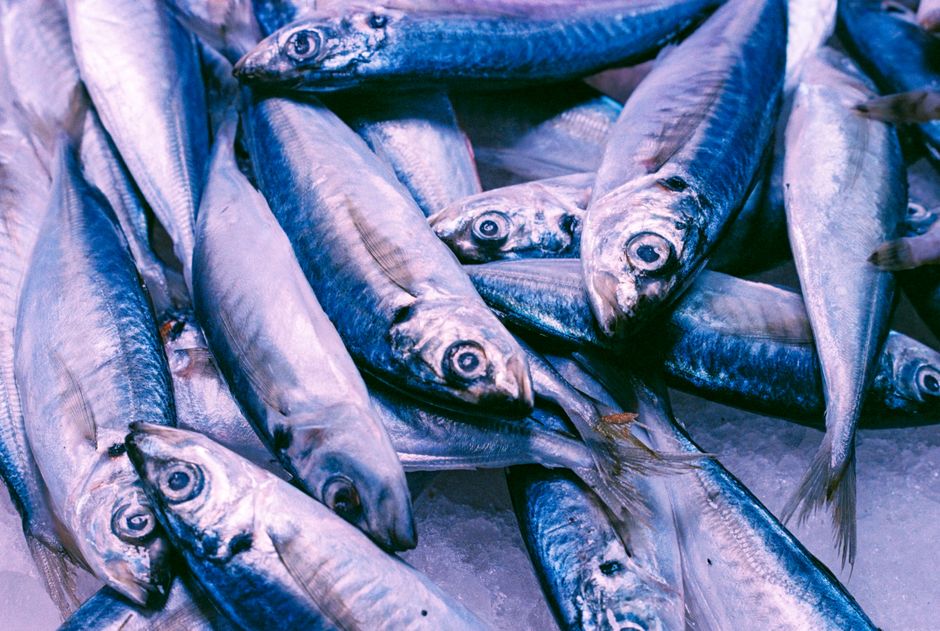
Nutritional Benefits of Fish for Huskies
Fish is an excellent source of high-quality protein, which is important for muscle maintenance and energy. It also provides omega-3 fatty acids (EPA and DHA) that support joint health, reduce inflammation, and promote a shiny coat and healthy skin. Additionally, fish contains vitamins D and B12, selenium, and iodine—all important for your Husky’s overall health. For Huskies prone to allergies (e.g., from chicken or beef), fish can be a great alternative protein source.
Omega-3s and Brain Health
Omega-3s are crucial for brain development and cognitive function. For active working breeds like Huskies, these fats can help maintain mental sharpness. Studies also suggest omega-3s may aid in managing arthritis and other inflammatory conditions, which is beneficial for older Huskies.

Risks and Precautions When Feeding Fish
While fish is healthy, there are several risks to consider:
- Bones: Fish bones are small, sharp, and can splinter, posing a choking hazard or causing internal damage. Always remove all bones before serving.
- Mercury and Toxins: Large, predatory fish (like tuna, shark, swordfish, king mackerel) can accumulate high levels of mercury and other heavy metals, which can be toxic over time. Stick to smaller, low-mercury fish.
- Thiaminase: Raw fish, especially some species (e.g., goldfish, carp, smelt), contain an enzyme called thiaminase that breaks down thiamine (vitamin B1). A thiamine deficiency can lead to neurological issues. Cooking fish destroys this enzyme, so always cook fish for your Husky.
- Parasites and Bacteria: Raw fish may harbor parasites like tapeworms or bacteria like salmonella. Cooking eliminates these risks.
- Allergies: Some dogs can develop allergies to fish, though it’s less common than other proteins. Watch for symptoms like itching, ear infections, or digestive upset.
What Types of Fish Are Safe for Huskies?
Not all fish are created equal. Here’s a breakdown of safe vs. unsafe options:
| Safe (Low Mercury, Nutrient-rich) | Unsafe or Risky (High Mercury or Harmful) |
|---|---|
| Salmon (cooked, no skin/bones) | Tuna (especially albacore, high mercury) |
| Sardines (packed in water, no salt) | Shark |
| Mackerel (only Atlantic, not King) | Swordfish |
| Herring | King Mackerel |
| Whitefish (e.g., cod, haddock) | Tilefish |
| Trout (cooked) | Raw fish of any kind |
Note: Salmon is a top choice for Huskies because it’s rich in omega-3s and generally low in mercury. However, always cook it thoroughly to kill parasites like Neorickettsia helminthoeca, which causes salmon poisoning disease (rare but serious).
How to Prepare Fish for Your Husky
Proper preparation is key to making fish a safe treat or meal component:
- Cook it thoroughly: Bake, boil, steam, or grill fish until it flakes easily. Avoid frying or adding oils, butter, salt, or seasonings (including garlic and onion, which are toxic to dogs).
- Remove all bones: Carefully debone the fish after cooking. Run your fingers through the flesh to feel for any tiny bones.
- Skip the skin: Fish skin can be high in fat and sometimes contains contaminants. Remove it to avoid digestive upset.
- Keep it plain: No salt, pepper, herbs, or sauces. Canned fish (like sardines or salmon) must be packed in water, not oil or brine, with no added salt.
- Cool before serving: Let it cool to room temperature to prevent burns.
Portion Size and Frequency
Fish should be an occasional treat or supplement, not a staple. Too much fish can lead to weight gain, vitamin E deficiency (if fed exclusively), or mercury buildup. Follow these guidelines:
- Treats: For a 50-pound Husky, 1–2 ounces of cooked fish 2–3 times per week is safe. Adjust based on your dog’s size and activity level.
- Complete meal: If you want to use fish as a protein source in homemade meals, consult a veterinary nutritionist. Generally, fish should not exceed 10% of daily calories.
- Signs of overfeeding: Loose stools, vomiting, or lethargy may indicate too much fish.
Can Huskies Eat Raw Fish?
It’s not recommended. While some raw feeding advocates include raw fish, the risks outweigh benefits for most owners. Raw fish may contain thiaminase (unless it’s a species like salmon or tuna, which don’t have the enzyme) and bacteria. If you choose to feed raw, source sushi-grade fish frozen for at least 30 days to kill parasites, and only feed species low in thiaminase. However, for safety and simplicity, cooking is best.
Fish Oil Supplements vs. Whole Fish
Many owners turn to fish oil capsules for omega-3s. While convenient, whole fish offers more complete nutrition (protein, minerals). Fish oil is a good alternative if your Husky won’t eat fish or has a medical need for concentrated omega-3s (e.g., arthritis). Consult your vet for dosage. For whole fish, cooked sardines or salmon are excellent natural sources.
Frequently Asked Questions
Can Huskies eat canned tuna?
Canned tuna (skipjack or light) in water can be an occasional treat, but due to mercury concerns, limit it to once a week or less. Avoid albacore (higher mercury).
Is fish good for Husky coat?
Absolutely! Omega-3s in fish promote a glossy coat and reduce shedding. Many Husky owners notice improvement within weeks.
Can puppies eat fish?
Yes, but in small amounts and always cooked and deboned. Fish provides DHA for brain development. Start with tiny pieces to ensure no allergic reaction.
What if my Husky eats raw fish accidentally?
Monitor for vomiting, diarrhea, or lethargy. If they show signs of illness (especially with salmon or trout in certain regions), contact your vet—salmon poisoning requires treatment.
Conclusion
Fish can be a healthy, delicious addition to your Siberian Husky’s diet when prepared correctly. Stick to low-mercury, cooked fish, remove all bones, and serve plain. Introduce it gradually and watch for any adverse reactions. As with any dietary change, consult your veterinarian, especially if your Husky has specific health conditions. With these precautions, you can safely treat your furry friend to the benefits of fish. Happy feeding!
Recommended Products for Your Husky
As an Amazon Associate, we earn from qualifying purchases. Learn more.
- Husky Care Essentials — Check price on Amazon
- Best-Selling Dog Gear — Check price on Amazon
- Newest Husky Products — Check price on Amazon
Editor's Note
Our team weighs every new husky client's food for the first two weeks. Almost all were overfeeding by 20-30% based on the bag's optimistic chart. Body condition beats the printed label every single time.
Sources & Further Reading
HuskySpot researches each topic against recognized breed and veterinary authorities. The following organizations inform our content: