
Understanding Your Husky’s Nutritional Needs
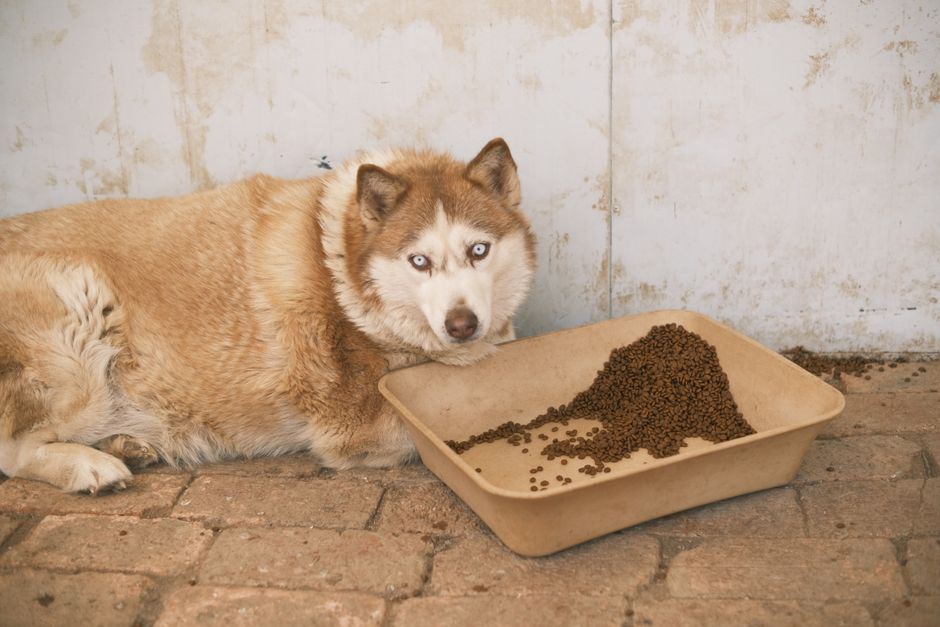
Siberian Huskies are a unique breed with specific dietary requirements. As a high-energy working dog, they need a balanced diet rich in protein, healthy fats, and essential nutrients. Huskies have a fast metabolism and require food that supports their active lifestyle without causing weight gain. The ideal diet for a Husky should replicate what their ancestors ate in the wild – a high-protein, moderate-fat, and low-carbohydrate profile. Look for dog food that contains at least 30-40% protein from quality animal sources, 15-20% fat, and less than 30% carbohydrates. Amino acids like taurine and omega-3 fatty acids are crucial for heart health and coat condition. Avoid foods with excessive fillers like corn, wheat, or soy as these can lead to allergies and digestive issues.
Key Ingredients to Look For
High-Quality Protein Sources
The first ingredient should always be a named meat such as chicken, beef, salmon, or lamb. Whole meats are better than meal, but meat meals are concentrated protein. Avoid generic sources like "meat meal" or "animal by-products." For Huskies, novel proteins like bison or venison can be beneficial if they have sensitivities.
Healthy Fats
Fats provide energy and support skin and coat health. Look for chicken fat, fish oil, or flaxseed. Omega-3 fatty acids from fish oil help reduce inflammation and keep the coat shiny. Avoid foods high in saturated fats or unnamed animal fats.
Carbohydrates and Fiber
Huskies don't need many carbs, but some sources like sweet potatoes, brown rice, or oats provide energy and fiber. Avoid corn, wheat, and soy. Vegetables like carrots and spinach offer antioxidants and vitamins.
Supplements and Additives
Probiotics for digestive health, glucosamine and chondroitin for joint support (especially for working Huskies), and taurine for heart health are beneficial. Avoid artificial colors, flavors, and preservatives like BHA, BHT and ethoxyquin.
Best Types of Dog Food for Huskies
Dry Kibble
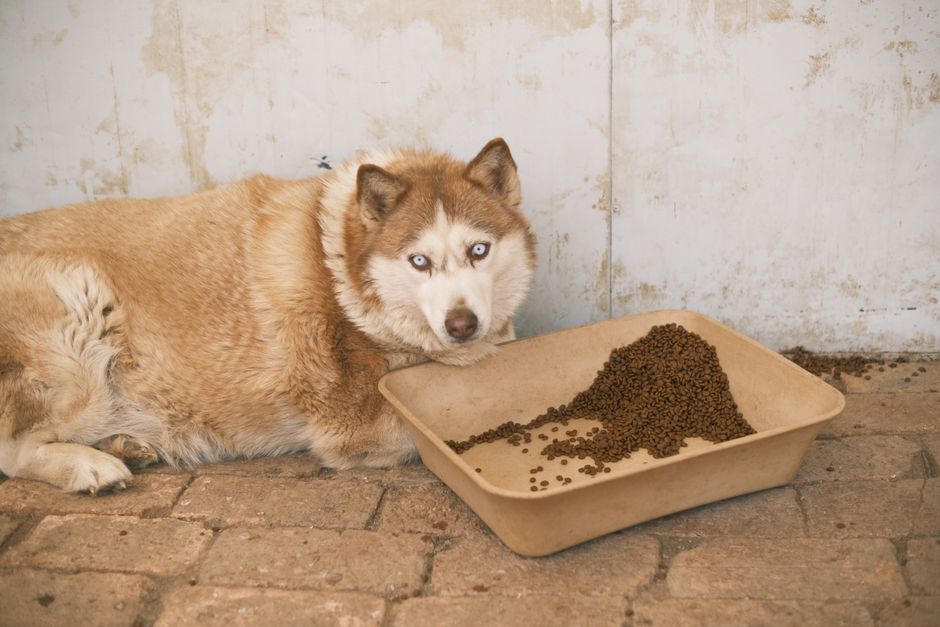
Dry food is convenient and helps clean teeth. Choose a high-quality grain-free or whole-grain kibble with named protein sources. Rotate between different proteins to prevent food sensitivities.
Wet or Canned Food
Wet food has higher moisture content, which aids hydration. It's often more palatable for picky eaters. However, it is less calorie-dense, so you may need to feed more volume.
Freeze-Dried or Dehydrated Raw
These foods offer the benefits of raw without the mess. They retain more nutrients than kibble. Rehydrate before feeding. Brands like Stella & Chewy's or Primal are popular.
Raw Diet (BARF)
Many Husky owners swear by raw feeding. A balanced raw diet should include muscle meat, bone, organ meats, vegetables, and supplements. Consult a veterinarian or canine nutritionist to ensure it is complete and balanced.
Feeding Schedule and Portions
Adult Huskies typically eat 2-3 cups of high-quality dry food per day, split into two meals. Puppies require more frequent feeding (3-4 times daily). Use the feeding guide on the back of the package as a starting point, but adjust based on your dog's activity level, age, and metabolism. Overweight Huskies should be fed less and exercised more. Always provide fresh water. For raw diets, portion sizes are different: 2-3% of body weight per day for adults, split into two meals.
Top Recommended Brands for Huskies
| Brand | Protein Source | Key Features |
|---|---|---|
| Orijen Original | Free-run chicken, turkey, wild-caught fish | Biologically appropriate, high protein (38%), grain-free |
| Acana Singles | Single animal protein like lamb or duck | Limited ingredients, good for allergies; 33% protein |
| Wellness CORE | De-boned turkey, chicken meal, salmon meal | Grain-free, probiotics, omega-3s; 34% protein |
| Taste of the Wild | Buffalo, bison, venison, or roasted bison & venison | Novel proteins, grain-free; 32% protein |
| Blue Buffalo Wilderness | Chicken, deboned chicken, chicken meal | High protein (34%), carbs from peas and potatoes; no grains |
Note: Always transition to a new food over 7-10 days to avoid digestive upset.
Homemade and Raw Diets
If you prefer to cook for your Husky, ensure the diet is balanced. A typical homemade meal could consist of 50% meat (chicken, beef, or lamb), 20% organs (liver, kidney), 20% vegetables (steamed broccoli, carrots), and 10% cooked grains or starches (rice, quinoa). Add a canine multivitamin and calcium supplement. For raw diets, bacteria can be a risk, so proper handling is essential. Common raw diet formulas include the 80/10/10 (80% muscle meat, 10% bone, 10% organ) or Prey Model Raw. Always consult a vet before starting a raw diet.
Common Feeding Mistakes
- Feeding too many treats: Treats should make up no more than 10% of daily calories.
- Free-feeding: Leave the food out all day – this can lead to obesity or picky eating.
- Not adjusting for age: Puppies, adults, and seniors have different needs.
- Ignoring food allergies: Signs include itchy skin, ear infections, or loose stools. If suspected, try a limited ingredient diet.
- Switching food too quickly: Always transition slowly to avoid stomach upset.
Conclusion
Choosing the best food for your Siberian Husky requires understanding their unique needs as a high-energy breed. Prioritize high-protein, moderate-fat, and low-carb diets with named animal proteins and healthy fats. Whether you opt for premium kibble, wet food, or a raw diet, ensure it is complete and balanced. Monitor your Husky's weight, coat condition, and energy levels to fine-tune their diet. With the right food, your Husky will thrive and maintain their majestic health and vitality. For personalized advice, always consult your veterinarian.
Recommended Products for Your Husky
As an Amazon Associate, we earn from qualifying purchases. Learn more.
- Premium Husky Food — Check price on Amazon
- Grain-Free Kibble — Check price on Amazon
- High-Protein Food — Check price on Amazon
Frequently Asked Questions
How often should Huskies eat?
Adults do well on two meals a day. Puppies under six months need three to four smaller feedings to avoid blood-sugar dips.
Can Huskies eat raw food?
A balanced raw diet is possible but risky without proper formulation — bone, bacteria, and nutrient imbalance are real dangers. Consult a vet nutritionist first.
What human foods are toxic to Huskies?
Never feed chocolate, grapes, raisins, onions, garlic, xylitol, or cooked bones. These can cause kidney failure, anemia, or gut perforation.
Editor's Note
Our editors have handled more food-transition disasters than we'd like. The 7-to-10-day rule exists for a reason—husky stomachs are sensitive, and a one-day switch means three days of cleanup. We now print the schedule on the food bag.
Sources & Further Reading
HuskySpot researches each topic against recognized breed and veterinary authorities. The following organizations inform our content: