Choosing the best dry food for your Siberian Husky is one of the most important decisions you can make for their health and longevity. Huskies are active, intelligent dogs with unique dietary requirements. They have a high metabolism, a predisposition to certain health issues, and a sensitive digestive system. This guide will walk you through everything you need to know to select a top-quality dry kibble that will keep your Husky thriving.

Understanding a Husky's Nutritional Needs
Siberian Huskies are a breed that originated in the harsh Arctic environment, where they were bred to pull sleds over long distances with minimal food. As a result, they have a highly efficient metabolism that can burn calories quickly. However, that doesn't mean they need a high-calorie diet; rather, they need a balanced diet rich in quality protein and healthy fats.
Protein Requirements
Protein should be the primary component of your Husky's diet. Look for a dry food with at least 25-30% protein content, sourced from animal-based proteins like chicken, beef, fish, or lamb. Protein supports muscle maintenance, energy, and coat health.
Fat Content
Healthy fats are crucial for Huskies, especially omega-3 and omega-6 fatty acids. These support skin and coat health, brain function, and joint mobility. Aim for a fat content of 12-18%. Too little fat can lead to a dull coat, while too much can cause obesity.
Carbohydrates and Fiber
Huskies do not require high levels of carbohydrates. In fact, many Huskies thrive on lower-carb diets. However, fiber from vegetables, fruits, and grains like brown rice or oats can aid digestion. Avoid foods with excessive fillers like corn, wheat, and soy.
Key Ingredients to Look For
- Real Meat First: The first ingredient should be a named meat source (e.g., chicken, salmon, turkey). Avoid generic terms like "meat meal."
- Omega Fatty Acids: Look for sources like fish oil, flaxseed, or chicken fat. These are important for a healthy coat and skin.
- Probiotics: Since Huskies can have sensitive stomachs, probiotics help maintain gut health.
- Glucosamine and Chondroitin: These support joint health, important for active Huskies.
- Antioxidants: Blueberries, cranberries, and carrots provide vitamins and help fight inflammation.

Ingredients to Avoid
- Artificial Preservatives: BHA, BHT, and ethoxyquin can be harmful over time.
- Fillers: Corn, wheat, and soy offer little nutritional value and can cause allergies.
- By-Products: Animal by-products are low-quality protein sources.
- Excessive Salt or Sugar: These are unnecessary and can lead to health issues.
Top Dry Food Formulas for Huskies
Based on nutritional analyses and breed-specific needs, here are some highly recommended dry food brands for Siberian Huskies:
| Brand | Key Features | Protein % | Fat % |
|---|---|---|---|
| Taste of the Wild High Prairie | Bison and venison, grain-free, probiotics | 32% | 18% |
| Blue Buffalo Wilderness | Chicken or salmon, grain-free, LifeSource Bits | 34% | 15% |
| Orijen Original | Free-run chicken, turkey, wild-caught fish, high protein | 38% | 18% |
| Wellness CORE RawRev | Turkey, chicken, freeze-dried raw pieces, probiotics | 34% | 16% |
| Merrick Grain-Free Texas Beef | Beef, sweet potatoes, glucosamine | 38% | 17% |
These brands prioritize high-quality protein, healthy fats, and essential nutrients without unnecessary fillers.
How to Transition Your Husky to a New Food
Huskies can be picky eaters and have sensitive stomachs. A sudden change can cause digestive upset. Follow this 7-day transition schedule:
- Days 1-2: 75% old food + 25% new food
- Days 3-4: 50% old + 50% new
- Days 5-6: 25% old + 75% new
- Day 7: 100% new food
Monitor your Husky's stools and appetite during the transition. If diarrhea or vomiting occurs, slow down the process.
Feeding Schedule and Portion Control
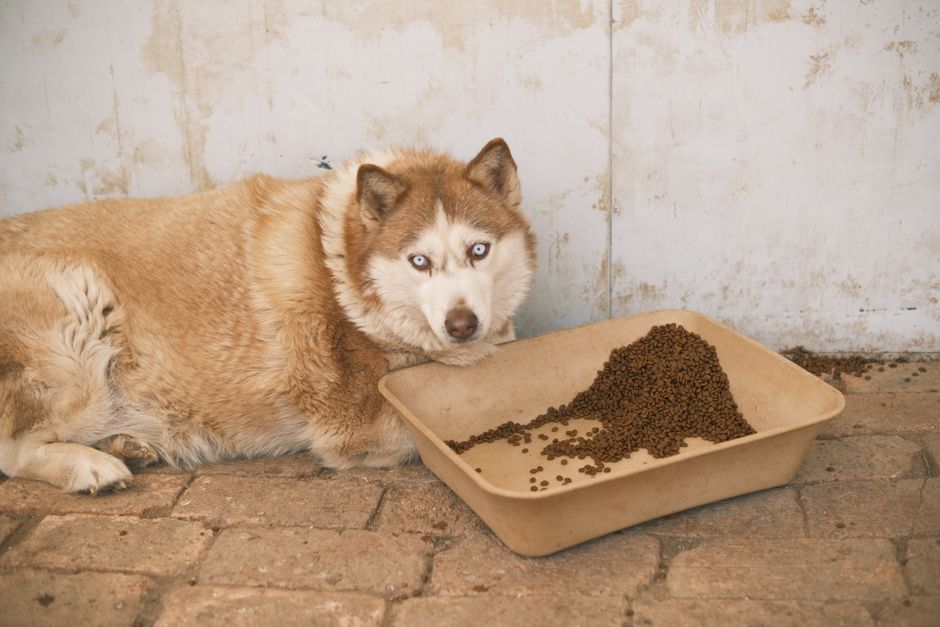
Huskies are prone to obesity if overfed, so portion control is critical. Use a measuring cup to ensure accuracy. The exact amount depends on your dog's age, weight, and activity level.
General Guidelines
- Puppies (2-12 months): 3-4 meals per day, following the food bag's recommendations for growth.
- Adults (1-7 years): 2 meals per day (morning and evening). A typical active Husky needs about 2-3 cups of high-quality dry food daily, split between meals.
- Seniors (7+ years): 2 meals per day, possibly a senior formula with lower calories and joint support.
Always provide fresh water. For active working Huskies, you may need to increase portions by 25-50%.
Frequently Asked Questions
Can Huskies eat grain-free food?
Yes, many Huskies do well on grain-free diets, but ensure they still get adequate fiber from other sources like sweet potatoes or peas. However, recent studies link grain-free diets to dilated cardiomyopathy (DCM) in some dogs, so consult your vet.
How do I know if my Husky has a food allergy?
Common signs include itching, ear infections, vomiting, or diarrhea. An elimination diet can help identify the allergen. If symptoms persist, consult your veterinarian.
Should I add supplements?
A high-quality dry food usually provides complete nutrition. But adding omega-3 oil or joint supplements may be beneficial for some Huskies, especially seniors or working dogs.
Conclusion
Choosing the best dry food for your Siberian Husky requires careful consideration of their unique needs. Prioritize high protein, moderate fat, quality ingredients, and avoid fillers. Trusted brands like Taste of the Wild, Blue Buffalo, Orijen, Wellness, and Merrick are excellent choices. Always transition slowly and adjust portions to maintain a healthy weight. With proper nutrition, your Husky will have boundless energy, a lustrous coat, and a long, healthy life.
Recommended Products for Your Husky
As an Amazon Associate, we earn from qualifying purchases. Learn more.
- Premium Husky Food — Check price on Amazon
- Grain-Free Kibble — Check price on Amazon
- High-Protein Food — Check price on Amazon
Editor's Note
We've watched countless husky owners treat feeding like a guessing game, and the pattern is always the same: free-feeding leads to a dog who begs constantly and crashes midday. Two measured meals at fixed times fixed the erratic energy we kept hearing about.
Sources & Further Reading
HuskySpot researches each topic against recognized breed and veterinary authorities. The following organizations inform our content: