What Is a Wooly Husky?
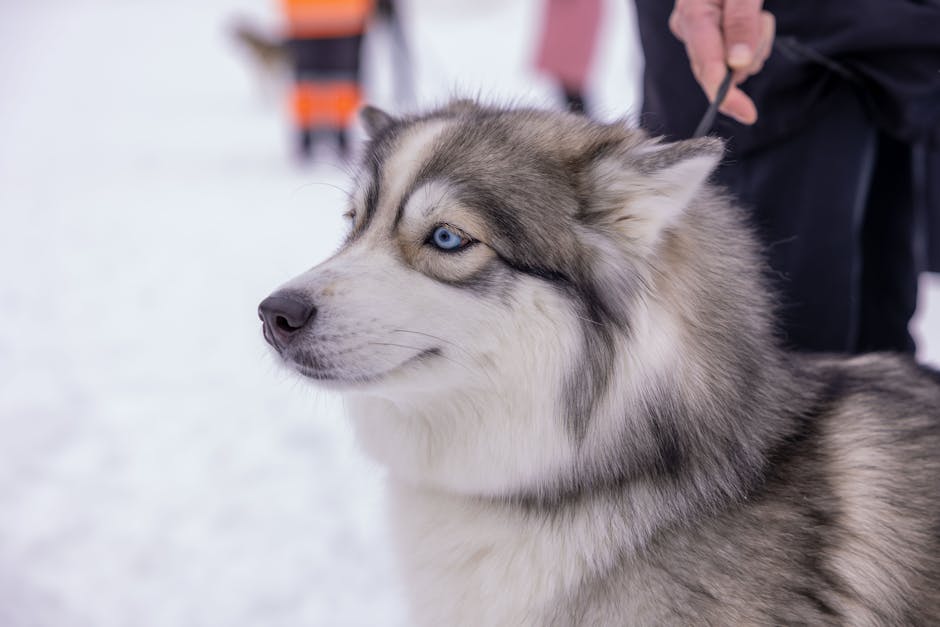
The Wooly Husky is a variation of the Siberian Husky characterized by a longer, denser, and fluffier coat than the standard breed. While not recognized as a separate breed by major kennel clubs such as the AKC (American Kennel Club), the wooly coat is a natural genetic variation that occurs within the Siberian Husky gene pool. These dogs retain all the classic Husky traits—energetic, intelligent, and mischievous—but with a glorious mane that requires extra grooming dedication.
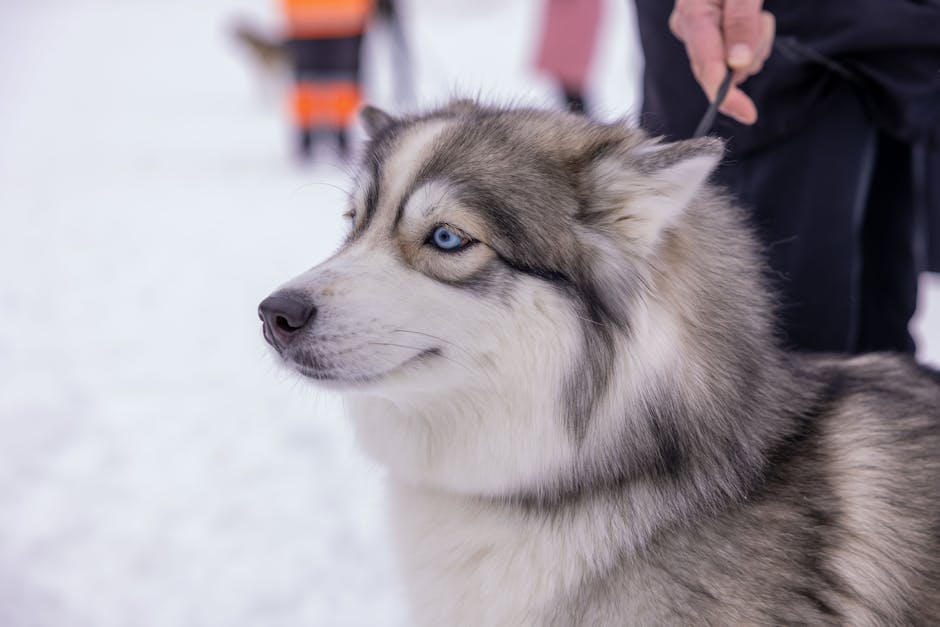
The term "wooly" refers to the texture and length of the fur, which can be up to three inches long compared to the typical Husky’s medium-length coat. This double coat consists of a soft, dense undercoat for insulation and a longer, harsher guard coat. In wooly Huskies, both layers are elongated, giving them a plush, almost teddy-bear appearance. Despite their luxurious fur, they are not hypoallergenic and shed heavily year-round, with massive blowouts during seasonal changes.
Wooly Husky vs. Standard Siberian Husky
| Feature | Standard Siberian Husky | Wooly Husky |
|---|---|---|
| Coat length | 2–3 inches (medium) | 3–6 inches (long) |
| Undercoat density | Dense | Extra dense |
| Grooming frequency | Weekly | Daily |
| Recognition by AKC | Full breed standard | Not accepted (fault) |
| Shedding level | Heavy | Extreme |
| Cold tolerance | Excellent | Even better (but overheat faster) |
| Exercise needs | High | High |
| Common health issues | Same as breed | Same plus skin fold dermatitis |
Genetics Behind the Wooly Coat
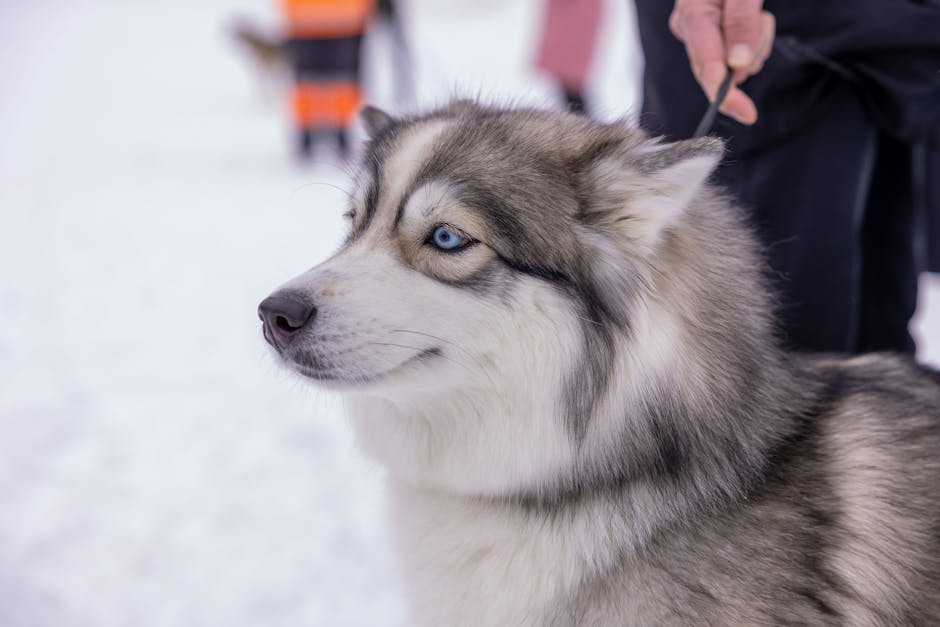
The wooly coat is caused by a recessive gene known as the Lh (long hair) gene. Both parents must carry (and pass on) this gene for a puppy to express the wooly phenotype. If only one parent contributes the allele, the offspring will have a standard coat but may carry the gene. Responsible breeders often test for this gene to avoid producing puppies without full breed standard conformation, though some enthusiasts specifically breed for wooly coats.
It’s important to note that while the wooly coat is a fault in the show ring, it does not affect the dog’s health or temperament. However, the thick fur can make the Husky more prone to overheating in warm climates and to matting if not maintained properly.
Grooming the Wooly Husky: A Major Commitment
Owning a Wooly Husky means committing to daily grooming. Here’s a practical guide:
- Brushing: Use a slicker brush and metal comb daily to prevent mats and remove loose hair. Undercoat rakes like the Furminator are excellent during shedding season.
- Bathing: Only when necessary (every 6–8 weeks) with a high-quality de-shedding shampoo. Over-bathing dries out the coat and skin.
- Drying: Always blow-dry thoroughly after a bath; damp undercoat can lead to hot spots and fungal infections.
- Trimming: Trim the hair between paw pads and around the sanitary area to reduce dirt accumulation and odor. Never shave a Wooly Husky—the coat provides insulation against heat and cold.
- Seasonal blowouts: Twice a year you will experience a dramatic shed. Invest in a good vacuum and lint rollers. Professional grooming every 4–6 weeks during these periods can be a lifesaver.
Common Grooming Mistakes to Avoid
- Using a furminator too aggressively: It can damage the guard coat.
- Shaving: Destroys the coat’s natural insulating ability and can cause permanent coat damage.
- Neglecting ear and nail care: Long fur can hide infections and overgrown nails.
Health Considerations for Wooly Huskies
Beyond the usual Siberian Husky health concerns (hip dysplasia, eye problems like cataracts and progressive retinal atrophy, and autoimmune disorders), Wooly Huskies face additional challenges due to their coat.
- Skin fold dermatitis: The extra fur around the face, neck, and tail can trap moisture and debris, leading to bacterial or yeast infections. Regular inspection and cleaning of skin folds is essential.
- Heat sensitivity: Their thick coat makes them less tolerant of hot weather. Provide ample shade, fresh water, and air conditioning. Avoid exercise during peak heat.
- Matting-related pain: Severe mats can pull on the skin, causing pain and restricting movement. Daily brushing prevents this.
- Ear infections: Ear fur can block airflow. Pluck excess hair inside the ear canal (or have a groomer do it) and clean weekly.
Regular vet check-ups, a balanced diet, and weight management are vital. Wooly Huskies are prone to obesity if under-exercised, which exacerbates joint issues.
Temperament and Training: Still a Husky at Heart
Despite the fluff, the Wooly Husky’s personality mirrors that of a standard Husky: independent, clever, and sometimes stubborn. They are not guard dogs—they’re friendly with strangers and can be escape artists. Training requires consistency and positive reinforcement.
- Early socialization: Expose them to various people, animals, and environments from puppyhood to curb wariness or reactivity.
- Exercise: A minimum of one hour of vigorous activity per day. Jogging, hiking, and dog sports (like agility or bikejoring) are ideal.
- Mental stimulation: Puzzle toys, obedience training, and nose work keep their sharp minds occupied.
- Crate training: Crate training helps with housebreaking and provides a safe space. Many wooly Huskies suffer from separation anxiety if left alone for long hours.
Common Behavioral Issues
- Excessive digging (great for cooling their belly)
- Howling and vocalization
- Counter surfing due to constant hunger drive
- Leash pulling
These issues can be managed with proper training and lots of exercise. Be patient—the wooly does not change the Husky’s core nature.
Feeding Your Wooly Husky
Feeding a Wooly Husky is similar to feeding any active Husky, but with an emphasis on coat health. Their diet should support skin and fur condition.
- High-quality protein: Look for real meat as first ingredient (chicken, fish, lamb). Protein helps maintain hair growth.
- Omega-3 and Omega-6 fatty acids: important for a shiny, healthy coat and reducing inflammation. Sources include salmon oil, flaxseed, and fish-based kibble.
- Biotin and zinc: Supplements or foods like eggs, sardines, and sweet potatoes promote coat strength.
- Portion control: Huskies are often food-motivated but prone to obesity. Feed based on activity level—typically 1.5 to 2.5 cups of high-quality kibble per day, split into two meals.
- Hydration: Always have fresh water available, especially after exercise. Dehydration affects skin elasticity and coat quality.
Supplements to Consider
| Supplement | Benefit | Dosage (consult vet first) |
|---|---|---|
| Fish oil | Omega-3 for skin & coat | 1000 mg per 30 lbs daily |
| Probiotics | Digestion & immunity | As directed on product |
| Joint support (glucosamine) | Prevent hip dysplasia | 500 mg per 25 lbs daily |
Avoid over-supplementing; a balanced diet is best. Talk to your vet before adding any new supplements.
Finding and Adopting a Wooly Husky
Since wooly is a recessive trait, you may find them in rescue shelters or from breeders who specialize in coat variations. Here’s how to find a healthy Wooly Husky:
- Reputable breeders: Ask for health clearances for hips, eyes, and the Lh gene test. Avoid breeders who over-price for the wooly coat (it’s not a rare mutation—just less common).
- Rescue organizations: Many Siberian Husky rescues have wooly coat dogs listed as "long-haired Husky" or "wooly." Adoption fees are lower, and you give a home to a dog in need.
- Word of mouth: Husky Facebook groups and local breed clubs often know of wooly puppies or adults available.
Before committing, assess your lifestyle: Wooly Huskies require time for grooming, exercise, and training. They are not couch potatoes. If you’re up for the challenge, you’ll be rewarded with a stunning, loving companion.
Conclusion: Is a Wooly Husky Right for You?
The Wooly Husky is a beautiful variation that shares the same spirited personality as the standard Siberian Husky but demands extra grooming and care. They thrive in active homes with people who understand their exercise and mental stimulation needs. If you can handle the shedding, the daily brushing, and the occasional escape attempt, a Wooly Husky will fill your life with fluffy joy and endless entertainment.
Remember: the fluff is just the icing on the cake—underneath is a true Husky, ready to run, howl, and steal your heart.