What Is a Black Husky? An Overview of the Color Variation
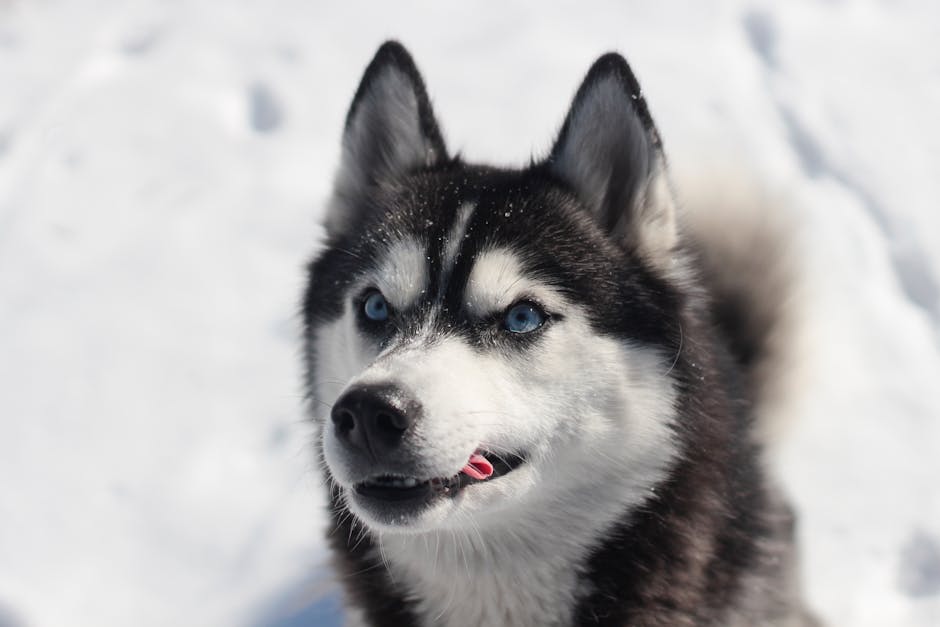
The Black Husky is not a separate breed but a striking color variant of the purebred Siberian Husky. While the classic image of the breed often features a gray-and-white or copper-and-white coat, the black coat (most commonly black and white, but also solid black in rare cases) is equally stunning and carries the same spirited temperament. This guide dives deep into the history, appearance, personality, and care requirements of the Black Husky, helping you decide if this breathtaking canine companion is right for you.
History and Breed Origins
The Siberian Husky originates from northeastern Siberia, where the Chukchi people bred them as sled dogs. The breed’s coat colors always included black and white, which served as effective camouflage in the snowy Arctic landscape. When the breed was imported to Alaska in the early 1900s for the All-Alaska Sweepstakes sled dog race, the black color remained popular. Today, the black color is one of the recognized standard colors by kennel clubs such as the AKC and UKC. The genetic inheritance of the black coat is controlled by the K locus and the Agouti series, resulting in the classic black-and-white pattern or the rarer all-black (which is actually a very dark grayish black due to phaeomelanin restriction).
Distinctive Appearance of the Black Husky
Coat Color and Pattern
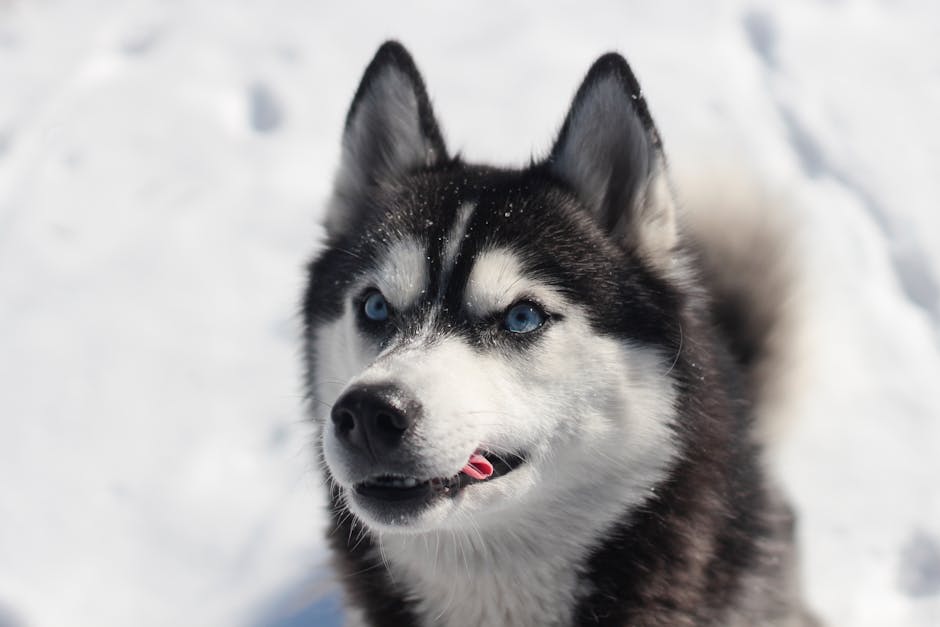
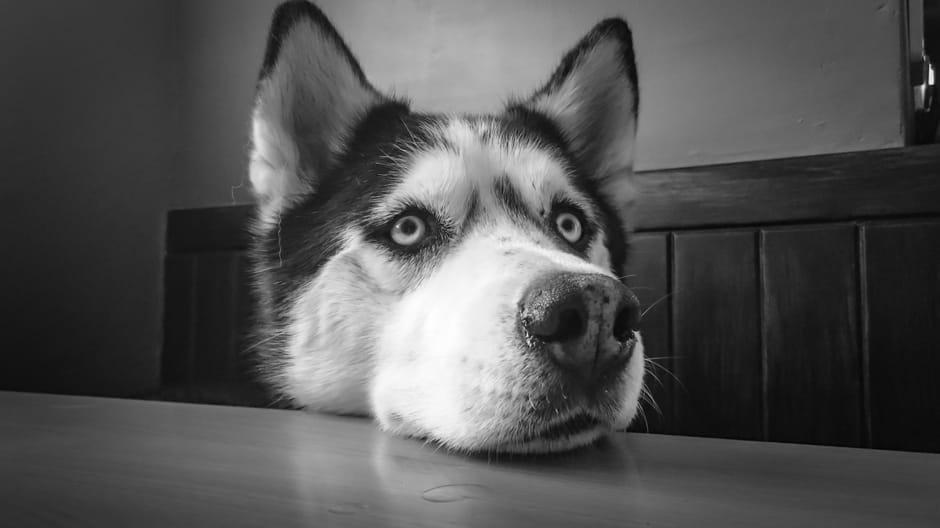
The most common Black Husky is the black-and-white pattern: a black saddle or blanket over the back with white on the muzzle, chest, belly, legs, and tail tip. Pure solid black Huskies exist but are not common – they often have very minimal white markings. The coat can show a slight reddish or brownish tint in sunlight due to the presence of phaeomelanin. The undercoat is usually gray or black, while the guard hairs are black. Black Huskies also frequently have white masks and eye patches that give them a distinctive, expressive face.
Eye Color
A unique feature of all Siberian Huskies is the potential for heterochromia (one blue, one brown eye) or fully blue, fully brown, or parti-colored eyes. Black Huskies are no exception – many have striking blue eyes that contrast dramatically with the dark coat. Brown eyes are also common. The combination of a black coat with bright blue eyes is particularly sought after by enthusiasts.
Size and Build
Black Huskies share the same standard size as any Siberian Husky: males stand 21–23.5 inches (53–60 cm) at the shoulder and weigh 45–60 pounds (20–27 kg); females are 20–22 inches (51–56 cm) and 35–50 pounds (16–23 kg). They have a compact, well-balanced frame built for endurance and speed. Their double coat is dense and weather-resistant, with a soft, thick undercoat and a straight, smooth outer coat.
| Attribute | Black-and-White Husky | Solid Black Husky |
|---|---|---|
| Coat color | Black saddle/blanket with white points | All black (very dark grayish black) |
| Undercoat | Gray to black | Black |
| White markings | Common on face, chest, legs, tail tip | Minimal or none |
| Eye color | Blue, brown, or heterochromatic | Blue or brown |
Practical tip: If you're considering a Black Husky, know that the black coat tends to show dirt and loose fur more than lighter coats. Regular brushing (3–4 times per week during shedding season) is essential.
Personality and Temperament of the Black Husky
The personality of a Black Husky is identical to that of any Siberian Husky: intelligent, independent, mischievous, and affectionate. They are known for being excellent family dogs, but they come with a strong prey drive and a tendency to roam. Here are key characteristics:
- High energy: Black Huskies need at least 1–2 hours of vigorous exercise daily. Without it, they may become destructive or develop behavioral issues.
- Intelligent and stubborn: They are quick learners but often choose to ignore commands if they find something more interesting. Consistent, positive reinforcement training is crucial.
- Friendly and social: Huskies generally love people and other dogs, but they are not good guard dogs. They are more likely to welcome an intruder than bark at one.
- Vocal: Huskies are famous for howling, whining, and “talking”. A Black Husky will express itself with a wide range of sounds.
- Independent streak: They were bred to think for themselves as sled dogs. This means they can be escape artists – a secure fence and leash walks are mandatory.
Practical tip: Early socialization with other animals, especially small pets like cats or rabbits, is important because the prey drive can be strong. Many Huskies live peacefully with cats if raised together, but some never overcome the instinct to chase.
Caring for a Black Husky: Grooming, Nutrition, and Exercise
Grooming a Black Husky
Black Huskies have a thick double coat that “blows” (sheds heavily) twice a year, usually in spring and fall. During heavy shedding, daily brushing with an undercoat rake or slicker brush is necessary to control loose fur and prevent matting. Outside of these periods, weekly brushing suffices. Bathe only when necessary (every 2–3 months) to preserve natural oils. Check ears weekly, trim nails monthly, and brush teeth regularly. Note that black fur shows dander and dandruff more than light fur, so a healthy diet and regular grooming keep the coat glossy.
Nutrition and Feeding
Feed a high-quality dog food formulated for active breeds. The protein level should be around 20–25% fat around 12–15%. Adult Black Huskies typically eat 2–3 cups of dry food daily, divided into two meals. Puppies need more frequent feeding. Because Huskies are prone to zinc deficiency (which can cause skin and coat problems), choose a food that includes zinc or supplement as advised by a vet. Avoid overfeeding – Huskies have a tendency to become overweight if not exercised enough, which can stress joints.
Practical tip: Many Black Huskies are picky eaters, and some go through food strikes. Don’t give in to begging – offer meals at set times and remove after 20 minutes. Consistency is key.
Exercise Requirements
Black Huskies are working dogs with an incredible stamina. Daily exercise should include at least one long walk or jog (30–60 minutes), plus free playtime in a securely fenced yard. Activities like running, hiking, or dog sports (agility, canicross, bikejoring) are excellent. Without enough exercise, a Black Husky may develop destructive behaviors like digging or chewing. Mental stimulation is equally important: puzzle toys, scent games, obedience training sessions, and opportunities to learn new tricks keep their sharp minds engaged.
Training a Black Husky: Challenges and Strategies
Training a Black Husky can be both rewarding and frustrating due to their intelligent and independent nature. Here are strategies that work:
- Start early: Begin socialization and basic obedience the day you bring your puppy home. Expose them to different people, places, sounds, and experiences.
- Use positive reinforcement: Huskies respond best to rewards like treats, praise, and play. Harsh corrections often cause them to shut down or become resentful.
- Be consistent and firm but kind: Always use the same commands. Huskies will test boundaries repeatedly, so consistency is crucial.
- Leverage their work drive: Turn training into games. Huskies love to work for a purpose – a short training session before a walk can be very effective.
- Recall training is critical: Because Huskies have a strong prey drive and love to run, never trust them off-leash in an unfenced area. Practice recall daily in safe environments using high-value treats.
Practical tip: Enroll in a puppy class with a trainer who understands Northern breeds. The structure and socialization can make a huge difference.
Health Concerns in Black Huskies
Black Huskies share the same health predispositions as all Siberian Huskies. The breed is generally healthy, with a lifespan of 12–14 years. However, potential issues include:
- Hip dysplasia: A hereditary condition; responsible breeders screen for it.
- Eye problems: Cataracts, corneal dystrophy, progressive retinal atrophy (PRA). Annual eye exams by a veterinary ophthalmologist are recommended.
- Hypothyroidism: Can cause weight gain, coat issues, and lethargy. Manageable with medication.
- Zinc-responsive dermatosis: More common in Huskies; zinc supplementation helps.
- Gastric dilation volvulus (bloat): Although less common than in deep-chested breeds, it can occur. Avoid feeding one large meal and don't allow vigorous exercise after eating.
Practical tip: Choose a breeder who provides health clearances for hips, eyes, and thyroid. Regular vet check-ups and a high-quality diet can mitigate many issues.
How to Find a Black Husky: Rescue or Breeder?
If you’ve decided a Black Husky is the right dog for you, the next step is sourcing one ethically. Two main options:
- Adoption from a rescue: Many Huskies end up in shelters because owners underestimated their energy or grooming needs. Adopting a Black Husky from a breed-specific rescue can be rewarding and less expensive. Check online rescue databases or local shelters.
- Reputable breeder: A responsible breeder will prioritize health, temperament, and conformation. They should show you health clearances, allow you to meet the parents, and ask you questions about your lifestyle. Expect to pay $1,000–$3,000 for a well-bred Husky puppy. Beware of breeders who offer “rare” solid black puppies at a premium without health testing – rarity does not mean quality.
Practical tip: Ask the breeder about the puppy's parents' temperaments and coat colors. A black-and-white puppy from black-and-white parents is more likely to retain solid black areas, but coat color can vary even within a litter.
Is a Black Husky Right for You?
Bringing a Black Husky into your home means making a long-term commitment. They are not low-maintenance dogs. Ideal owners are active individuals (or families) who can provide ample exercise and mental enrichment, have a securely fenced yard, and are willing to groom heavily twice a year. If you live in an apartment, you must be prepared for extra walks and play. If you have small children, early supervision is needed because the high energy could knock over toddlers. But for the right person, the Black Husky offers unmatched loyalty, beauty, and companionship. Their striking appearance and engaging personality make them one of the most rewarding dog colors to own.