Understanding Husky Mix Breeds
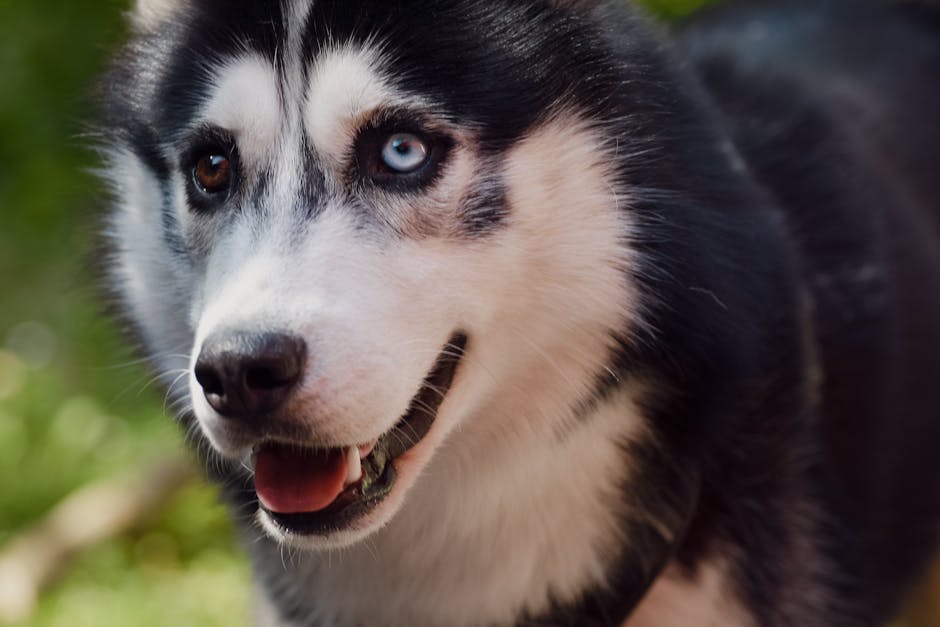
Husky mix breeds, often called designer dogs or crossbreeds, combine the striking appearance and spirited personality of the Siberian Husky with another purebred dog. These hybrids have surged in popularity due to their unique looks, enhanced health through hybrid vigor, and the potential to blend the best traits of both parent breeds. Whether you're considering a Husky-German Shepherd mix (often called a Gerberian Shepsky) or a Husky-Labrador Retriever mix (the Labsky), understanding the general characteristics, care requirements, and challenges is essential before bringing one home.
Why Choose a Husky Mix?
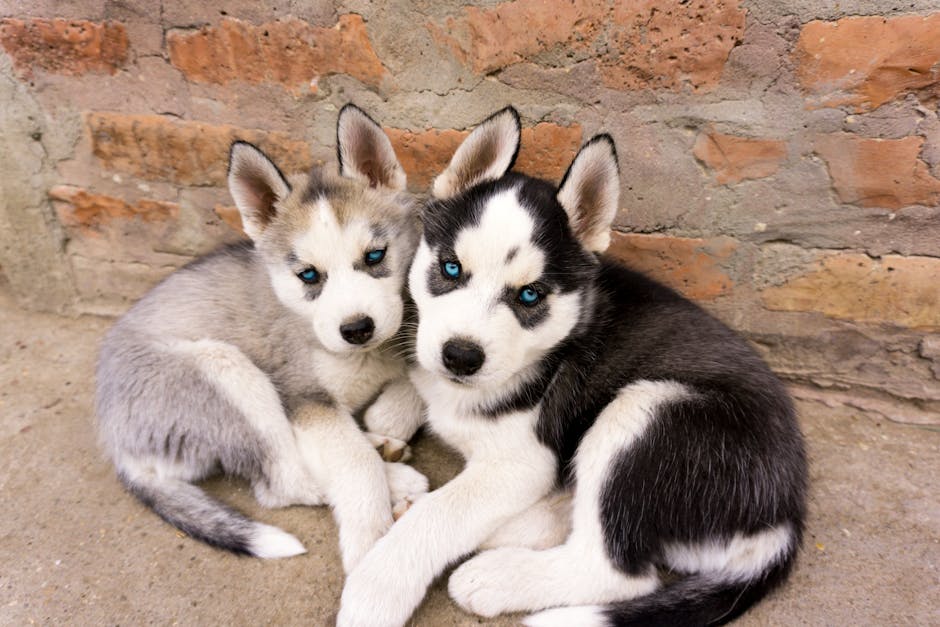
Husky mixes offer several advantages over purebred Huskies. Hybrid vigor can reduce the risk of inherited health problems, such as hip dysplasia or eye disorders. Their size, coat type, and temperament vary widely, making it easier to find a dog that fits your lifestyle. For example, a Husky-Poodle mix (Huskydoodle) may have a hypoallergenic coat, while a Husky-Corgi mix (Horgi) stays smaller and more adaptable to apartments. However, all husky mixes retain the Husky's intelligence, independence, and high energy, so consistent training and exercise remain non-negotiable.
Popular Husky Mix Breeds
Gerberian Shepsky (Husky x German Shepherd)
One of the most sought-after mixes, the Gerberian Shepsky combines the Husky's endurance with the German Shepherd's loyalty and trainability. They are large, intelligent dogs that excel in obedience and protection work. Expect a thick double coat that sheds heavily, a need for daily vigorous exercise, and a strong prey drive. Early socialization is crucial to prevent territorial behavior.
Labsky (Husky x Labrador Retriever)
The Labsky is a friendly, outgoing mix that inherits the Labrador's eagerness to please and the Husky's playful nature. They are excellent family dogs but can be stubborn and require firm, positive reinforcement training. Their energy levels are high, so expect at least one hour of running or play each day. They tend to be less vocal than purebred Huskies but still howl occasionally.
Huskamute (Husky x Alaskan Malamute)
This crossbreed is a powerful, cold-weather working dog. Huskamutes are larger than most husky mixes, often weighing 75–100 pounds. They are gentle with families but highly independent and require an experienced owner. Their thick coats demand regular grooming, and they are best suited for homes with fenced yards in cooler climates.
Horgi (Husky x Corgi)
For those wanting a smaller husky mix, the Horgi offers the husky's personality in a compact, long-bodied frame. They are intelligent, energetic, and can be stubborn. Horgis often have the Corgi's short legs and the Husky's upright ears and facial markings. They need moderate exercise and are prone to barking, so early training is a must.
Pomsky (Husky x Pomeranian)
The Pomsky is a trendy designer dog that is small but full of husky attitude. Ranging from 15–30 pounds, they have a thick double coat and a fox-like face. Pomskies are smart and can be difficult to housebreak due to their stubborn streak. They do well in apartments if given enough playtime and mental stimulation.
Caring for Your Husky Mix
Exercise and Mental Stimulation
All husky mixes have high energy levels. They need at least 60–90 minutes of rigorous exercise daily, including running, hiking, or interactive games like fetch. Without enough activity, they become destructive and may attempt to escape. Mental enrichment is equally important: puzzle toys, scent work, and obedience training sessions keep their sharp minds engaged. A tired husky mix is a well-behaved one.
Grooming Requirements
Most husky mixes have a double coat that sheds heavily, especially during seasonal changes (spring and fall). Brush your dog at least 3–4 times a week with an undercoat rake or slicker brush. Bathe only when necessary to maintain natural oils. Check ears weekly for wax and debris, and trim nails monthly. Some mixes, like the Huskydoodle, may have wavy or curly coats that require professional grooming every 6–8 weeks to prevent matting.
Diet and Nutrition
Feeding a high-quality diet formulated for active or working breeds is recommended. Look for a protein content of 22–30% and moderate fat. Avoid grain-free diets unless recommended by a vet, as they have been linked to dilated cardiomyopathy in some dogs. Portion control is critical because husky mixes can gain weight if overfed. Divide daily food into two meals to prevent bloat, especially in deep-chested mixes like Huskamutes. Always have fresh water available.
Training Your Husky Mix
Husky mixes are intelligent but can be willful. They respond best to positive reinforcement methods like treats, praise, and play. Traditional punishment-based training often backfires. Start basic obedience at 8 weeks: sit, stay, come, and heel. Crate training is recommended for housebreaking and providing a safe space.
One of the biggest challenges is recall, as huskies have a strong prey drive and independent nature. Use a long line or fenced area for off-leash practice. Teaching a solid “leave it” command can prevent them from chasing squirrels or running off. Socialize your puppy extensively with different people, dogs, and environments to build confidence and reduce reactivity.
Common Behavioral Issues
- Escaping: Husky mixes are notorious escape artists. Secure fences should be at least 6 feet high and buried or angled inward. Check for weak spots regularly.
- Howling and Barking: Many mixes inherit the husky's vocal nature. Provide plenty of exercise and mental stimulation to curb boredom-related noise.
- Destructive Chewing: Offer several durable chew toys and rotate them frequently to keep your dog interested.
- Stubbornness: Keep training sessions short (5–10 minutes) and use high-value treats. Consistency and patience are key.
Health Considerations for Husky Mixes
While hybrid vigor can reduce the likelihood of some inherited conditions, husky mixes are still prone to certain health issues based on their parent breeds. Common concerns include:
| Condition | Description | Prevention/Treatment |
|---|---|---|
| Hip Dysplasia | Malformation of the hip joint leading to arthritis. | Maintain lean weight, provide joint supplements, and consider X-ray screening. |
| Eye Problems | Cataracts, progressive retinal atrophy (PRA), and corneal dystrophy. | Annual eye exams by a veterinary ophthalmologist; avoid breeding affected dogs. |
| Thyroid Issues | Hypothyroidism results in weight gain, lethargy, and skin problems. | Blood tests; daily medication as prescribed. |
| Skin Allergies | Itching, hot spots, and ear infections caused by environmental or food allergens. | Identify triggers; use hypoallergenic diets and medicated shampoos. |
| Bloat (GDV) | Life-threatening stomach torsion, more common in deep-chested mixes. | Feed smaller meals, avoid exercise after eating, and consider prophylactic gastropexy. |
Regular veterinary check-ups, a balanced diet, and proper exercise are the best ways to keep your husky mix healthy.
Adopting or Buying a Husky Mix
Before acquiring a husky mix, consider adopting from a rescue organization. Many husky-specific rescues have crossbreeds available, and adoption fees are often lower than buying from a breeder. If you decide to buy, research breeders carefully: ask for health clearances (OFA or PennHIP for hips, CERF for eyes) and request to meet at least one parent. Avoid puppy mills and pet stores.
Prepare your home for a high-energy, intelligent dog. Invest in a sturdy crate, plenty of toys, and a secure fence. Husky mixes are not recommended for first-time owners due to their demanding exercise and training needs. However, with proper preparation, they become loyal, entertaining companions.
Final Thoughts on Husky Mix Breeds
Husky mixes bring together the best (and sometimes most challenging) traits of the Siberian Husky and another breed. Their striking appearance, intelligence, and boundless energy make them captivating pets for active individuals or families. By understanding their specific care requirements—from exercise and grooming to training and health monitoring—you can ensure a fulfilling relationship with your unique hybrid. Whether you choose a Pomsky for a smaller space or a Gerberian Shepsky for a devoted protector, a husky mix thrives on engagement, routine, and love.