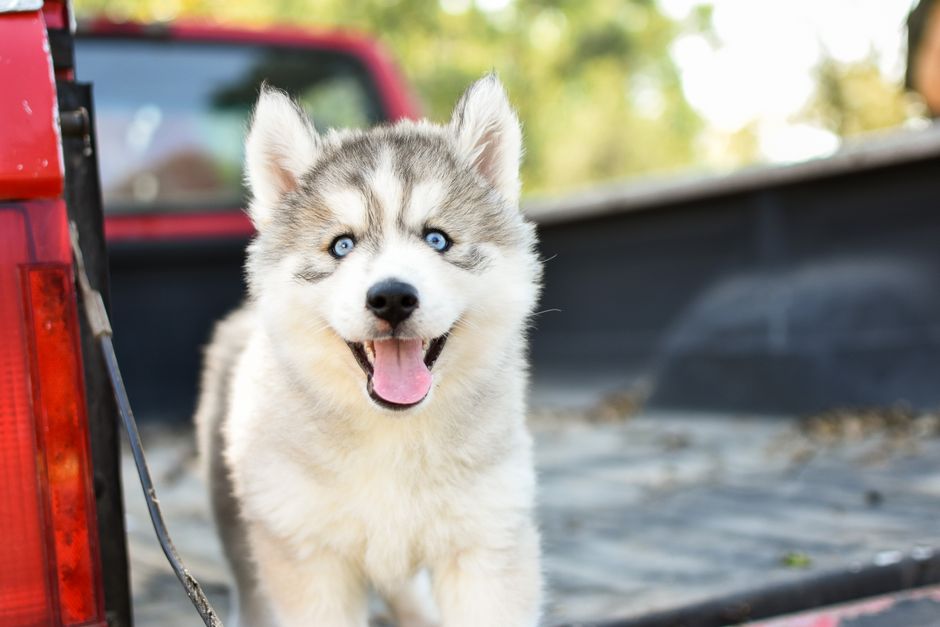
Introduction: The Striking Red Husky
The Siberian Husky is known for its wolf-like appearance, striking blue eyes, and incredible endurance. Among the many coat colors this breed can sport, the red husky stands out as one of the most eye-catching and sought-after variations. With a rich, coppery to deep mahogany coat, red huskies exude warmth and vibrancy. This comprehensive guide dives deep into everything you need to know about the red husky – from genetics and temperament to grooming, training, and health. Whether you're considering adding a red husky to your family or you already have one, this article will provide valuable insights and practical tips.
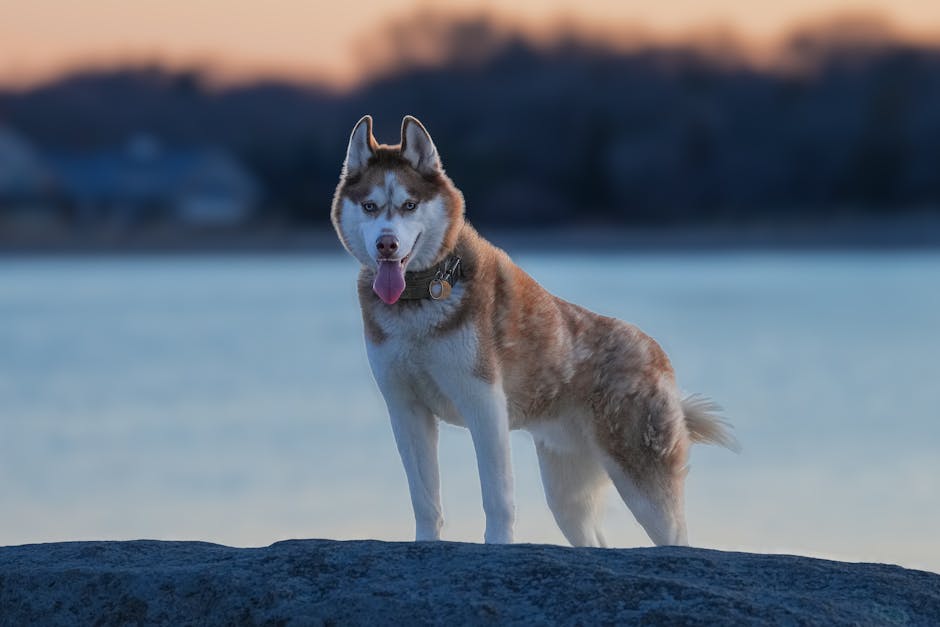
What Is a Red Husky?
A red husky is not a separate breed – it is a color variant of the purebred Siberian Husky. The red coat color is produced by the expression of the e (recessive red) allele at the MC1R gene, which suppresses black pigment and allows pheomelanin (red/yellow pigment) to dominate. This results in shades ranging from light strawberry blonde to deep rust or mahogany. Red huskies may also have white markings on their face, chest, legs, and tail tip, which are common in the breed.
How Red Differs From Other Coat Colors
- Red vs. Copper: “Copper” is often used interchangeably with red, but true red huskies have a more intense, warm hue without black tipping.
- Red vs. Sable: Sable huskies have black-tipped hairs over a red or cream base, giving a shaded look. A red husky's coat is solid red or red with white, without dark guard hairs.
- Genetics: The red color is recessive, meaning both parents must carry the gene for red to produce a red puppy. This makes red huskies less common than black-and-white or gray-and-white varieties.
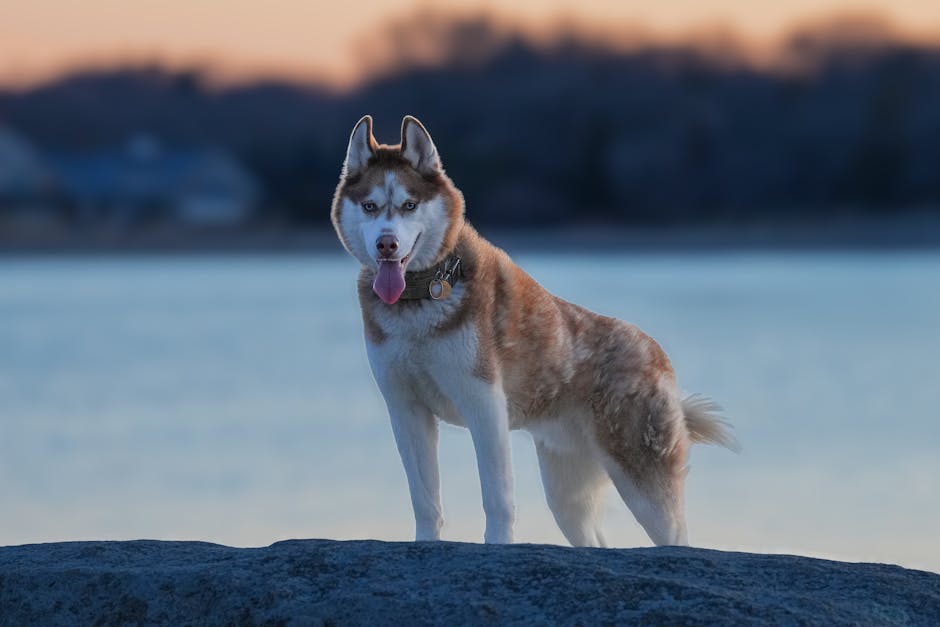
Physical Characteristics of the Red Husky
Beyond the stunning coat, red huskies share the same athletic build and facial structure as any Siberian Husky. They have a medium-sized, well-muscled body, erect triangular ears, and a bushy tail carried over the back. Eye color in red huskies can be blue, brown, or bi-eyed (one of each) – a trait unique to the breed.
| Feature | Details |
|---|---|
| Height | 20–23.5 inches (male), 20–22 inches (female) |
| Weight | 45–60 lbs (male), 35–50 lbs (female) |
| Coat | Double coat, medium length; red with white markings typical |
| Eye Colors | Blue, brown, bi-eyed, or parti-eyed |
| Life Expectancy | 12–14 years |
The red hue can darken with age, especially in winter months when the coat thickens. A proper diet rich in omega fatty acids can enhance coat luster and maintain that vibrant red tone.
Red Husky Temperament and Personality
Because red huskies are purebred Siberian Huskies, their temperament is identical to any other color variant. They are:
- Friendly and outgoing: Huskies are known for their gentle, sociable nature. They get along well with people, children, and other dogs when properly socialized.
- Energetic and playful: Bred for sled pulling, they have immense stamina and need daily exercise – at least 60–90 minutes of vigorous activity.
- Independent and stubborn: They possess a strong prey drive and a mischievous streak. Off-leash reliability is poor; always use a leash or a secure fenced yard.
- Vocal: Huskies seldom bark but love to “talk” with howls, whines, and grumbles. The red husky is no exception.
While color does not affect behavior, some breeders believe red huskies have a slightly softer temperament, though this is anecdotal. Early socialization and consistent training are important for any husky.
Grooming and Coat Care for Red Huskies
The red husky's double coat is designed for arctic conditions. It sheds heavily twice a year (blowing coat) and moderately year-round.
Grooming Routine
- Brushing: Use an undercoat rake or slicker brush 2–3 times a week; daily during shedding season to control fur.
- Bathing: Only every 2–3 months or when dirty. Over-bathing strips natural oils that keep the red coat shiny.
- Nail trimming: Monthly, or as needed.
- Ear cleaning: Weekly to prevent infections.
To keep the red color vibrant, avoid prolonged sun exposure (which can fade the coat) and feed a high-quality diet with omega-3 and omega-6 fatty acids. Never shave a husky – the coat protects from both heat and cold.
Training and Exercise Needs
Red huskies are intelligent but can be willful. They require a confident owner who uses positive reinforcement techniques.
Training Tips
- Start early: Puppy socialization classes are crucial. Expose your red husky to various people, animals, and environments.
- Keep sessions short and fun: Use treats, toys, and praise. Harsh corrections often backfire.
- Teach a solid recall: Huskies have a high prey drive and love to run. A reliable “come” command can save lives.
- Mental stimulation: Puzzle toys, nose work, and agility classes prevent boredom-induced destructive behaviors.
Exercise Requirements
Plan for at least one hour of vigorous activity daily. Ideal exercises include:
- Long runs, bike-joring, or skijoring
- Hiking on varied terrain
- Interactive fetch or tug
- Obedience or rally training
A tired red husky is a well-behaved red husky – never skip exercise.
Health and Lifespan of Red Huskies
Red huskies are generally healthy, but like all purebred dogs, they are prone to certain conditions. Coat color does not affect health, but responsible breeding matters.
- Hip dysplasia: A genetic condition causing joint malformation. Screen breeding stock via OFA or PennHIP.
- Eye disorders: Cataracts, progressive retinal atrophy (PRA), and corneal dystrophy are common. Ask for CERF (Canine Eye Registration Foundation) clearances.
- Hypothyroidism: Can cause skin issues and weight gain; treatable with medication.
- Bloat (GDV): Deep-chested dogs like huskies are at risk. Feed multiple small meals and avoid exercise after eating.
Average lifespan is 12–14 years. Provide regular veterinary check-ups, a high-quality diet, and plenty of exercise to maximize longevity.
Feeding and Nutrition
Active red huskies need a balanced diet with adequate protein and fat. Choose a formula designed for medium- to high-energy breeds.
- Protein: 25–30% from animal sources (chicken, lamb, fish).
- Fat: 15–20% for sustained energy and coat health.
- Avoid overfeeding: Huskies are prone to obesity if not exercised enough. Use a measuring cup and adjust portions based on activity level.
Consider adding supplements like salmon oil for a glossy red coat. Always provide fresh water.
Is a Red Husky Right for You?
Owning a red husky is a rewarding experience, but it's not for everyone. Assess your lifestyle against these points:
- Pros: Stunning appearance, social and friendly, excellent adventure companion, moderate grooming except during blowouts.
- Cons: High energy requires commitment, strong prey drive (not safe off-leash), vocalizations, heavy seasonal shedding, can be stubborn and escape artists.
If you have an active lifestyle and plenty of time for training and exercise, a red husky could be your perfect match.
Frequently Asked Questions
Are red huskies rare?
Red huskies are less common than black or gray huskies because the red color is recessive. However, dedicated breeders produce them regularly, and they are not considered extremely rare.
Do red huskies cost more?
Some breeders may charge a premium for rare colors like red or agouti. Prices vary, but expect to pay $1,000–$2,500 for a well-bred red husky puppy from health-tested parents.
Can red huskies have blue eyes?
Absolutely. Blue eyes are common in all Siberian Huskies regardless of coat color. Red huskies can have blue, brown, or heterochromia.
Do red huskies shed less than other colors?
No, coat color does not affect shedding amount. All Siberian Huskies shed profusely, especially during seasonal coat blows.
Conclusion
The red husky is a breathtaking variation of an already magnificent breed. With the right care, training, and environment, they become loyal, fun-loving family members. a husky's needs go far beyond its coat color – exercise, mental stimulation, and patient training are non-negotiable. If you're ready for the challenge and joy of owning a red husky, you'll be rewarded with a strikingly beautiful and energetic companion for years to come.