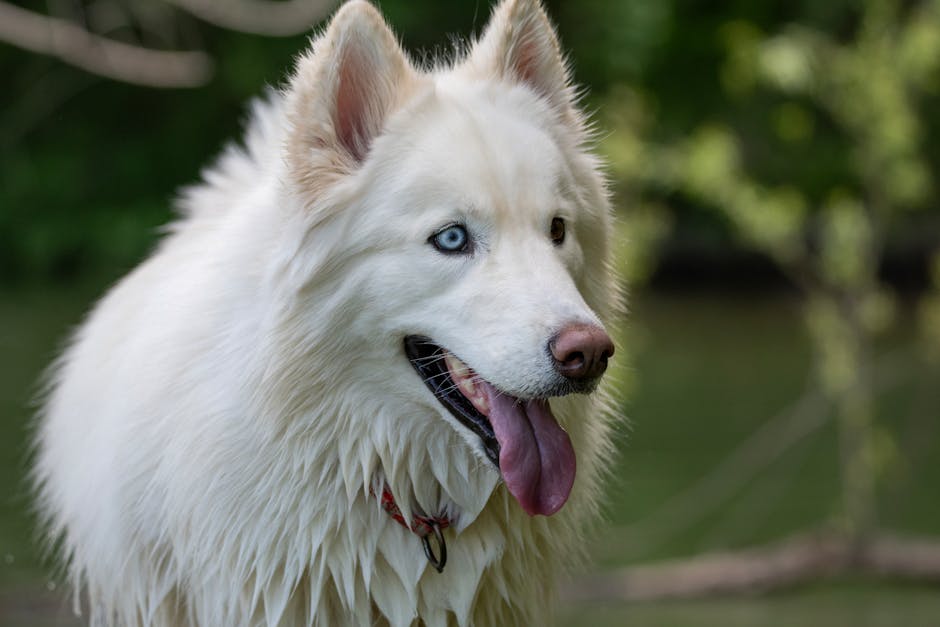
The White Husky is a breathtaking variant of the Siberian Husky breed, prized for its pure white coat and striking blue or brown eyes. Often mistaken for albino, these dogs carry a recessive white gene that produces a completely white coat while maintaining the breed's athletic build and spirited personality. This comprehensive guide covers everything you need to know about the White Husky—from genetics and temperament to care, health, and training—so you can decide if this rare beauty fits your lifestyle.
What Is a White Husky?
A White Husky is a Siberian Husky whose coat is solid white, resulting from a recessive gene (the white masking gene or the homozygous expression of the piebald gene variant). Unlike albinism, which affects pigment in eyes and skin, White Huskies have normal pigmentation in their noses, eye rims, and paw pads—usually black or brown. They are recognized by the American Kennel Club (AKC) as a permissible coat color within the breed standard, though pure white is less common than the classic black-and-white or gray-and-white patterns.
White Husky vs. Albino Husky: Key Differences
| Feature | White Husky | Albino Husky |
|---|---|---|
| Coat color | Pure white | White or cream |
| Eye color | Blue, brown, or heterochromia | Pink or very light blue |
| Nose and skin pigment | Black or brown (normal) | Pink (no melanin) |
| Health risks | Standard husky issues | Sun sensitivity, vision problems |
White Husky Temperament and Personality
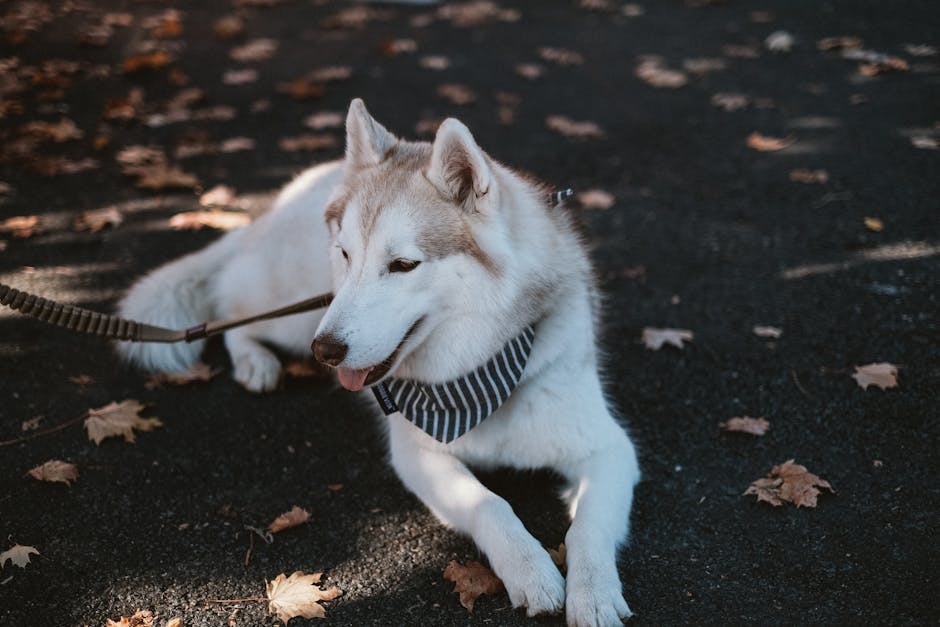
White Huskies share the same core temperament as all Siberian Huskies: friendly, outgoing, and mischievous. They are pack-oriented dogs that thrive on companionship and can be stubborn during training. Their high energy levels and independent streak mean they are not recommended for first-time owners. Key personality traits include:
- Energetic: Requires at least 60–90 minutes of vigorous exercise daily—running, hiking, or agility work.
- Vocal: Howling, barking, and “talking” are common; they can be noisy.
- Friendly with strangers: Poor guard dogs—they may greet intruders with wagging tails.
- Prey drive: Strong instinct to chase small animals; secure fencing is essential.
- Intelligent but stubborn: Training must be positive, consistent, and varied to hold their attention.
White Husky Care and Maintenance
Grooming
Despite their snowy coat, White Huskies shed heavily—especially during shedding season (spring and fall). Their double coat consists of a dense undercoat and longer guard hairs. Grooming tips:
- Brush at least 2–3 times a week; daily during shedding periods.
- Use an undercoat rake and slicker brush to remove loose fur.
- Bathe only every 2–3 months (over-bathing strips natural oils).
- White coats show dirt quickly; spot clean with a damp cloth if needed.
Exercise Requirements
White Huskies are athletic dogs bred for endurance. A tired husky is a well-behaved husky. Provide:
- Daily walks or jogs of at least 30–45 minutes
- Off-leash play in a securely fenced area
- Mentally stimulating activities: puzzle toys, nose work, or obedience drills
- Caution in heat: Their thick coat makes them prone to overheating; exercise during cooler parts of the day.
Training
Training a White Husky requires patience and creativity. They are not eager-to-please like Golden Retrievers. Effective strategies include:
- Use high-value treats (cheese, chicken, or freeze-dried liver).
- Keep sessions short (10–15 minutes) to prevent boredom.
- Incorporate play and games (e.g., hide-and-seek, fetch).
- Socialize early with other dogs, people, and environments.
- Never use harsh punishment; it damages trust and encourages defiance.
White Husky Health Concerns
White Huskies are generally healthy, but like all purebred dogs, they have breed-specific risks. Owners should be aware of the following:
- Hip Dysplasia: A genetic condition causing joint laxity. Maintain a healthy weight and consider screening for breeding dogs.
- Progressive Retinal Atrophy (PRA): A degenerative eye disease leading to blindness. Regular eye exams are advised.
- Hypothyroidism: Can affect metabolism and skin health. Symptoms include weight gain and hair loss.
- Deafness: More common in white-coated dogs (particularly those with blue eyes), though not universal. BAER testing can detect hearing issues.
- Skin Sensitivity: White coats offer less protection from UV rays; use dog-safe sunscreen on ears and nose during prolonged sun exposure.
Lifespan
The average lifespan of a White Husky is 12–15 years, similar to the general Siberian Husky population. Good nutrition, regular veterinary care, and a safe environment contribute to longevity.
Feeding a White Husky
A well-balanced diet is crucial for maintaining coat health and overall vitality. Consider these feeding guidelines:
| Age | Meals per day | Recommended food type |
|---|---|---|
| Puppy (2–6 months) | 3–4 | High-quality puppy formula (large breed) |
| Adolescent (6–12 months) | 2–3 | Transition to adult food around 12 months |
| Adult (1–7 years) | 2 | High-protein, grain-inclusive or grain-free (consult vet) |
| Senior (7+ years) | 2 | Senior formula with joint support (glucosamine, omega-3s) |
Portion control is vital; Huskies have a tendency to overeat and can become obese. A typical adult White Husky (45–60 lbs) needs about 1.5–2.5 cups of dry food daily, split into two meals. Always provide fresh water and avoid foods toxic to dogs (chocolate, grapes, raisins, xylitol).
Is a White Husky Right for You?
Pros of Owning a White Husky
- Stunning appearance that turns heads
- Loving and affectionate with family
- Intelligent and trainable with the right approach
- Good with children if raised together
- Relatively low grooming cost (but high shedding!)
Cons to Consider
- High exercise demands—not compatible with sedentary lifestyles
- Stubbornness can frustrate novice owners
- Heavy shedding—fur on furniture, clothes, and in the air
- Strong prey drive may make them unsafe around small pets (cats, rabbits)
- Prone to escape attempts; need secure fencing (6 feet tall, buried or rolled)
- Vocalization may bother neighbors
If you lead an active lifestyle, have time for training, and can manage shedding, a White Husky can be a wonderful companion. But if you prefer a low-energy, low-shedding lap dog, look elsewhere.
Frequently Asked Questions About White Huskies
Are White Huskies rare?
Yes, pure white huskies are less common than standard-colored ones. However, they are not a separate breed and are available from responsible breeders who specifically breed for the recessive white gene. Expect a higher price tag ($1,500–$3,000 USD) compared to typical huskies.
Do White Huskies have blue eyes?
Many do, but they can also have brown eyes or one of each (heterochromia). Eye color does not affect vision or health.
Can White Huskies live in hot climates?
While they can adapt, they do best in cooler climates. Their thick coat makes them susceptible to heatstroke. If you live in a warm area, provide air conditioning, shade, and limit outdoor activity during peak heat.
Are White Huskies hypoallergenic?
No. Huskies shed dander and fur, which are common allergens. No dog breed is truly hypoallergenic.
Conclusion
The White Husky is a magnificent example of the Siberian Husky breed, combining breathtaking beauty with an energetic, loyal, and sometimes mischievous nature. Owning one requires dedication to exercise, grooming, and training, but the reward is a devoted companion who will fill your life with adventure and endless dog hair. If you’re ready for the challenge, start your journey by finding a reputable breeder or rescue organization that specializes in huskies. With proper care, your White Husky will be a stunning and loving part of your family for many years.