Introduction
The Husky Lab mix, a cross between the Siberian Husky and the Labrador Retriever, is a popular hybrid known for its striking appearance and lively personality. This designer dog combines the endurance and independence of the Husky with the friendliness and trainability of the Labrador. Often called a “Labsky,” this mix is an energetic, intelligent, and affectionate companion that requires an active lifestyle. In this comprehensive guide, we’ll explore everything you need to know about the Husky Lab mix—from its origins and temperament to training, health, and grooming.
History and Origin
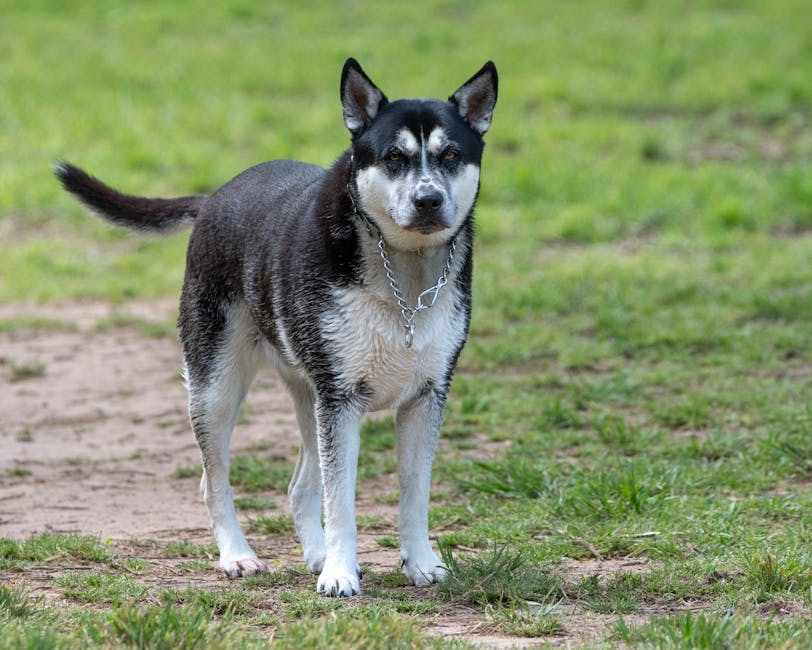
The Husky Lab mix is a relatively recent hybrid, likely originating in North America within the last few decades as part of the growing trend for designer dogs. The Siberian Husky was bred by the Chukchi people of Siberia for sledding and endurance, while the Labrador Retriever was developed in Newfoundland as a fishing and retrieving dog. Both parent breeds have long histories as working dogs, which contributes to the high energy and intelligence of their offspring. While not recognized as a breed by major kennel clubs, the Husky Lab mix has gained a loyal following among active families and individuals.
Physical Appearance
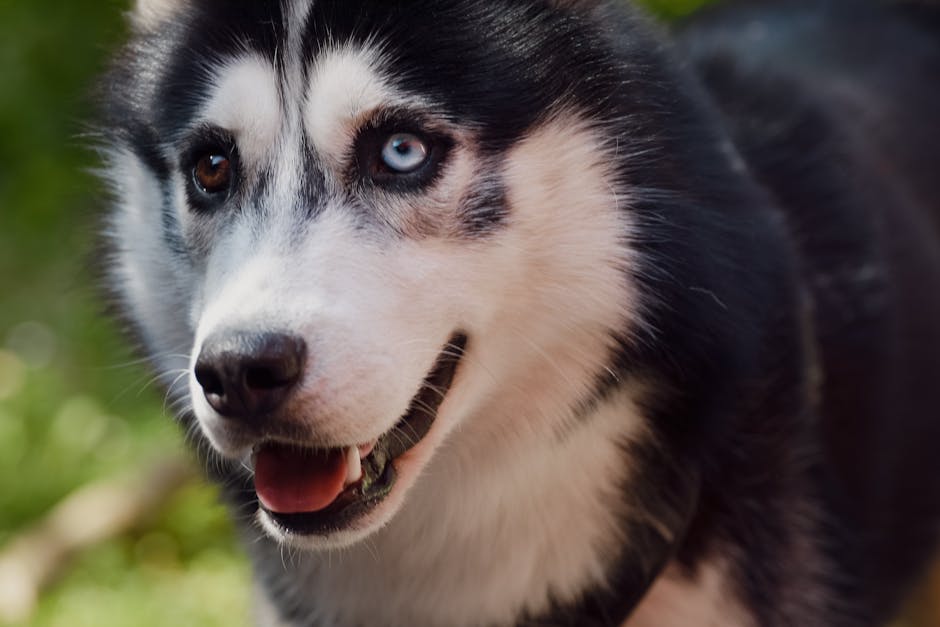
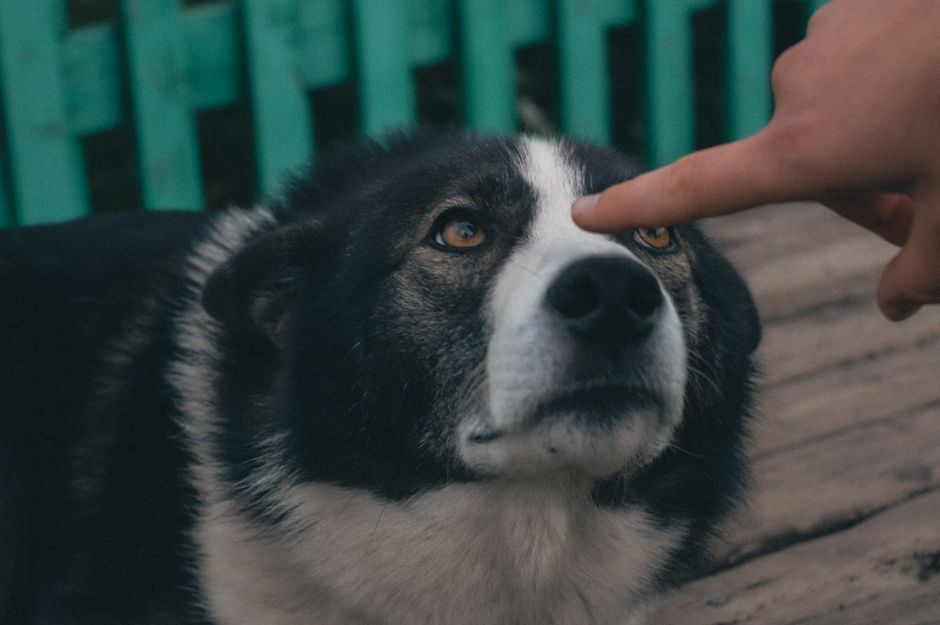
A Husky Lab mix can inherit several traits from either parent. Typically, they are medium to large dogs, standing 20–24 inches at the shoulder and weighing 45–70 pounds. Their coat is usually dense and double-layered, often coming in colors like black, grey, chocolate, yellow, or a combination. They may have the Husky’s distinctive facial mask and blue or brown eyes—or even one of each. Their build is athletic, with a deep chest and strong legs, reflecting the stamina of both breeds.
Size Chart
| Feature | Typical Range |
|---|---|
| Height (inches) | 20–24 |
| Weight (pounds) | 45–70 |
| Coat Length | Short to medium |
| Lifespan (years) | 10–14 |
Temperament and Personality
This mix is known for being outgoing, friendly, and playful. From the Labrador, they inherit a love for people and a eagerness to please, while the Husky contributes independence and a mischievous streak. They are intelligent dogs that can be stubborn, so early socialization and consistent training are essential. They generally get along well with children and other pets if raised together, but their high prey drive (from the Husky side) may make them chase small animals. They are loyal and protective, making them good watchdogs, but they are not typically aggressive.
Training and Exercise Needs
Husky Lab mixes are extremely energetic and require at least 60–90 minutes of vigorous exercise daily. Without enough physical and mental stimulation, they can become destructive and bark excessively. Training should be positive and reward-based, as harsh methods can backfire with their sensitive Husky side. Start with basic obedience and then move to advanced commands, agility, or hiking. They excel in activities like running, swimming, and fetch. Crate training is recommended to provide a safe space.
Training Tips
- Use high-value treats like chicken or cheese.
- Keep sessions short (10–15 minutes) to maintain focus.
- Practice recall in a secure area—they have a strong wandering instinct.
- Incorporate puzzle toys to challenge their mind.
- Never leave them off-leash in an unfenced area.
Grooming and Care
Both parent breeds shed heavily, so expect a lot of fur. The Husky Lab mix has a double coat that sheds year-round, with heavier blows in spring and fall. Brush them 2–3 times a week with a de-shedding tool, and daily during shedding season. Bathe only when necessary to avoid stripping natural oils. Regular nail trimming, ear cleaning, and dental care are also important. Their active lifestyle can wear down nails naturally, but check weekly.
Health and Lifespan
The Husky Lab mix is generally healthy but can inherit conditions from either breed. Common issues include hip and elbow dysplasia, eye problems (cataracts, progressive retinal atrophy), hypothyroidism, and obesity. Responsible breeders screen for these. Lifespan is typically 10–14 years. Regular veterinary check-ups, a balanced diet, and proper exercise can help prevent many health problems. Watch for signs of bloating (gastric torsion) as deep-chested dogs are at risk.
Diet and Nutrition
Feed a high-quality dog food appropriate for their life stage (puppy, adult, senior). Active dogs need a diet rich in protein and healthy fats, with around 20–25% protein and 10–15% fat. Divide daily portion into two meals to reduce bloat risk. Avoid overfeeding—Labradors are prone to obesity, and Husky mixes need lean muscle. Treats should make up no more than 10% of daily calories. Always provide fresh water.
Sample Feeding Schedule
| Age | Meals per Day |
|---|---|
| Puppy (2–6 months) | 3–4 |
| Adolescent (6–12 months) | 2–3 |
| Adult (1 year+) | 2 |
Is a Husky Lab Mix Right for You?
This hybrid is best suited for active individuals, families with older children, and owners with a securely fenced yard. They thrive in homes where they can get plenty of exercise and mental engagement. First-time dog owners may find them challenging due to their stubbornness and shedding. Apartment living is possible if you commit to daily long walks and playtime, but a house with a yard is ideal. They are not a “couch potato” breed.
Finding a Husky Lab Mix Puppy
When looking for a Husky Lab mix puppy, choose a responsible breeder who health tests the parents and raises puppies in a home environment. Avoid pet stores or backyard breeders. Alternatively, rescue organizations often have mixed breeds available. Ask to see the parents, request health clearances, and observe the puppy’s temperament. A well-bred pup should be curious, friendly, and not fearful. Prepare your home with puppy-proofing and supplies before bringing them home.
Conclusion
The Husky Lab mix is a delightful, high-energy companion that brings together the best of two beloved breeds. With proper training, socialization, and plenty of exercise, they can be a devoted family member for over a decade. If you have the time, space, and commitment to meet their needs, this hybrid will reward you with endless fun and loyalty. Whether you call them a Labsky or Husky Lab, this mixed breed is sure to turn heads and steal hearts.