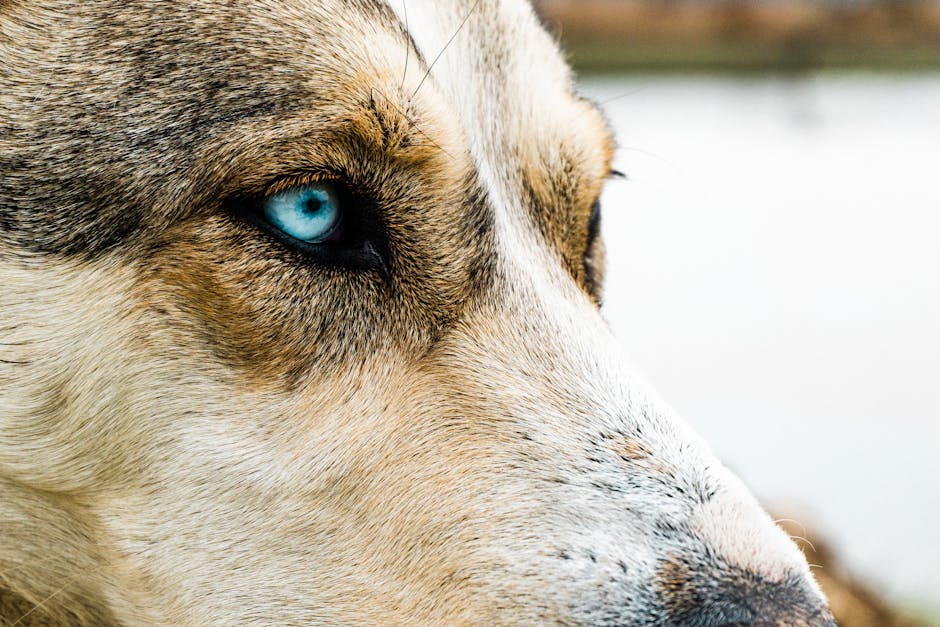
The Siberian Husky is renowned for its wolf-like appearance and striking blue eyes. While not all Huskies have blue eyes—some have brown, green, or even one of each (heterochromia)—the blue-eyed Husky remains the most iconic. This comprehensive guide explores everything you need to know about blue-eyed Huskies, from their genetics and health to care, training, and common myths.
The Genetics Behind Blue Eyes in Siberian Huskies
The blue eye color in Siberian Huskies is caused by a genetic mutation near the ALX4 gene on canine chromosome 18. This mutation reduces pigment production in the iris, resulting in a blue appearance. Unlike some breeds where blue eyes are linked to merle or piebald patterns, in Huskies, blue eyes are independent of coat color. They can occur in all coat colors, including black, gray, red, and agouti. The trait is dominant, meaning a Husky with one copy of the mutation will likely have blue eyes, though brown eyes can still appear due to other influencing genes.
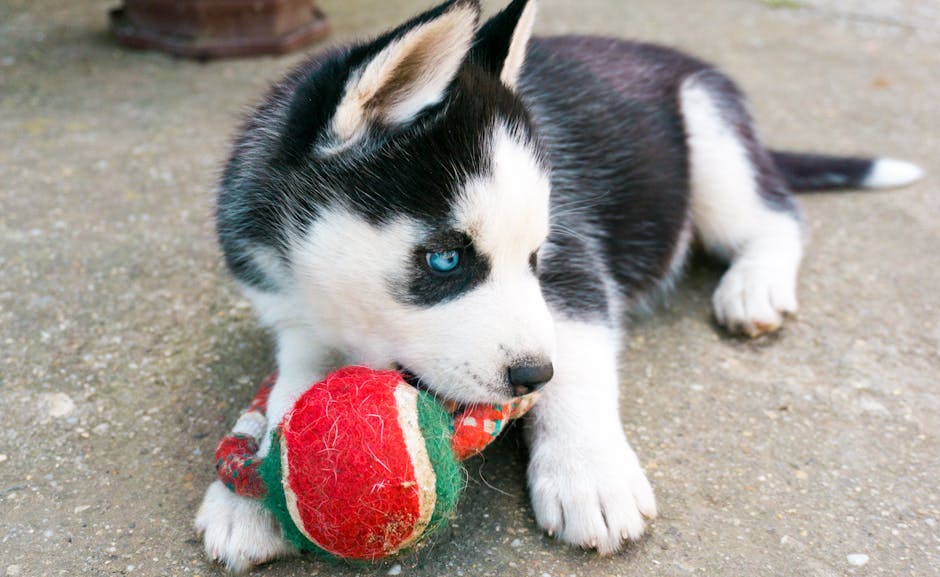
It's important to note that blue eyes in Huskies are not a sign of albinism or a defect—they are a normal variation within the breed. Puppies are born with blue eyes that may change color as they mature, typically settling around 8-12 weeks of age. Eye color can also change slightly with age due to fading or darkening.
Are Blue Eyes Linked to Health Issues?
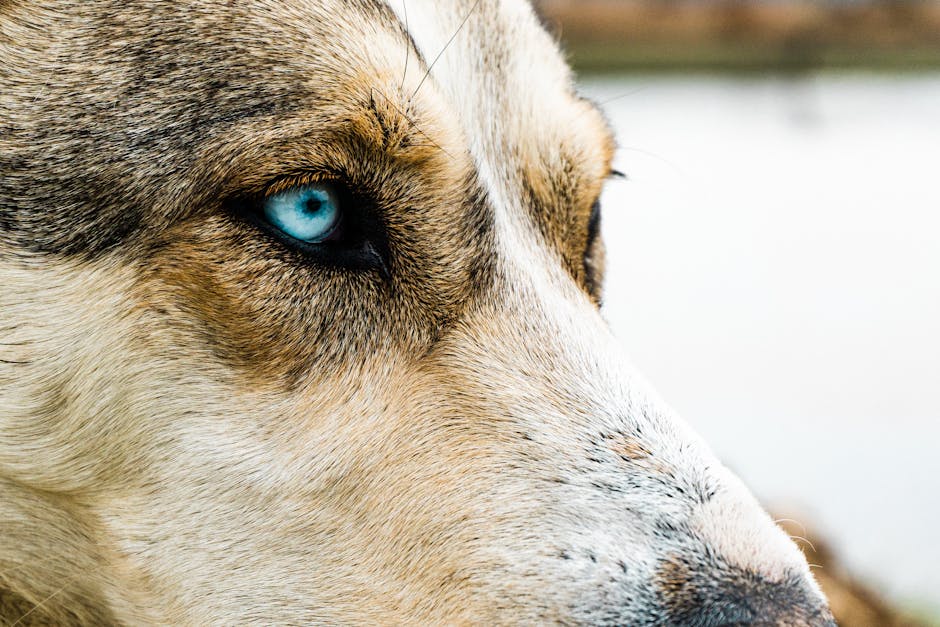
A common concern is whether blue-eyed Huskies have more health problems than their brown-eyed counterparts. In general, the blue eye color itself is not linked to health issues in this breed. However, because the same genetic region can affect hearing and vision development when associated with extreme white spotting (piebald) in other breeds, it's wise to be informed.
Studies have shown that while blue-eyed dogs in some breeds may have a slightly higher risk of congenital deafness, this is not strongly correlated in Siberian Huskies. Responsible breeders screen for hearing and vision problems. The most common health issues in Huskies are hip dysplasia, eye problems (cataracts, corneal dystrophy), and hypothyroidism—none of which are tied to eye color.
Caring for a Blue Eyed Husky
Training and Socialization
Siberian Huskies are intelligent, independent, and sometimes stubborn. Blue-eyed Huskies require consistent, positive reinforcement training from an early age. Use treats, praise, and play as rewards. Harsh corrections can lead to resistance. Socialization is critical: expose your Husky to various people, dogs, environments, and sounds to prevent fearfulness or aggression. Crate training helps with housebreaking and provides a safe den.
Exercise Needs
Huskies were bred for endurance and need plenty of daily exercise. At least 60 minutes of vigorous activity (running, hiking, interactive play) is essential. Without enough exercise, they can become destructive or develop behavioral issues. A securely fenced yard is a must—Huskies are escape artists. Mental stimulation through puzzle toys, obedience drills, and nose work also keeps them happy.
Grooming
The Husky's double coat requires regular grooming. Brush 2-3 times per week with an undercoat rake or slicker brush to remove loose fur and prevent mats. During shedding season (spring and fall), daily brushing is needed. Bathe only when necessary (every few months) using a gentle dog shampoo. Trim nails monthly, brush teeth several times a week, and check ears for debris.
Feeding Your Blue Eyed Husky
A balanced diet is vital. Choose a high-quality dog food with real meat as the first ingredient, appropriate for your Husky's age (puppy, adult, senior). Avoid foods with excessive fillers like corn, wheat, or soy. Huskies can be prone to food allergies, so watch for signs like itching or gastrointestinal upset. Typically, 1.5 to 2.5 cups of dry food per day, split into two meals, is sufficient, but adjust based on activity level and body condition. Always provide fresh water. Treats should not exceed 10% of daily calories. Some owners opt for raw or homemade diets, but consult a veterinarian or canine nutritionist to ensure completeness.
Common Myths and Misconceptions
| Myth | Fact |
|---|---|
| Blue-eyed Huskies are more aggressive. | Eye color has no correlation with temperament. Huskies are generally friendly and gentle. |
| They are blind or have poor vision. | Blue eyes function normally. Vision is as good as brown-eyed Huskies, though some may have slight sensitivity to bright light. |
| All blue-eyed Huskies are rare or expensive. | Blue eyes are common in the breed. Price depends on lineage, breeder reputation, and demand. |
| Blue eyes mean the dog is not purebred. | False. The American Kennel Club (AKC) standard accepts all eye colors, including blue, brown, and heterochromia. |
Finding a Responsible Breeder or Adopting
If you're seeking a blue-eyed Husky, do your research. Avoid puppy mills and pet stores. A responsible breeder performs health clearances (hips, eyes, thyroid), provides pedigrees, and socializes puppies. They should ask you questions about your lifestyle and living situation. Alternatively, consider adoption. Many Husky rescues have blue-eyed dogs needing homes. Adoption fees are lower, and you give a dog a second chance. Be prepared for the Husky's high energy and need for companionship—they are not for everyone.
Conclusion
The blue-eyed Siberian Husky is a stunning and loving companion. While their eyes are captivating, proper care, training, and health management are what truly make a great pet. Whether you choose a blue-eyed or brown-eyed Husky, the key is commitment to meeting their exercise, grooming, and emotional needs. With the right preparation, a blue-eyed Husky can be a loyal and joyful addition to your family for 12-15 years.