While the classic black-and-white or gray-and-white Siberian Husky is instantly recognizable, there exists a world of rare coat colors that captivate enthusiasts. These uncommon hues are often the result of specific genetic combinations and can be breathtakingly beautiful. However, it's crucial to understand that rarity does not necessarily mean desirable from a health or ethical standpoint. This guide explores the rarest Husky colors, their genetics, and what potential owners should know.
Understanding Husky Coat Colors and Patterns
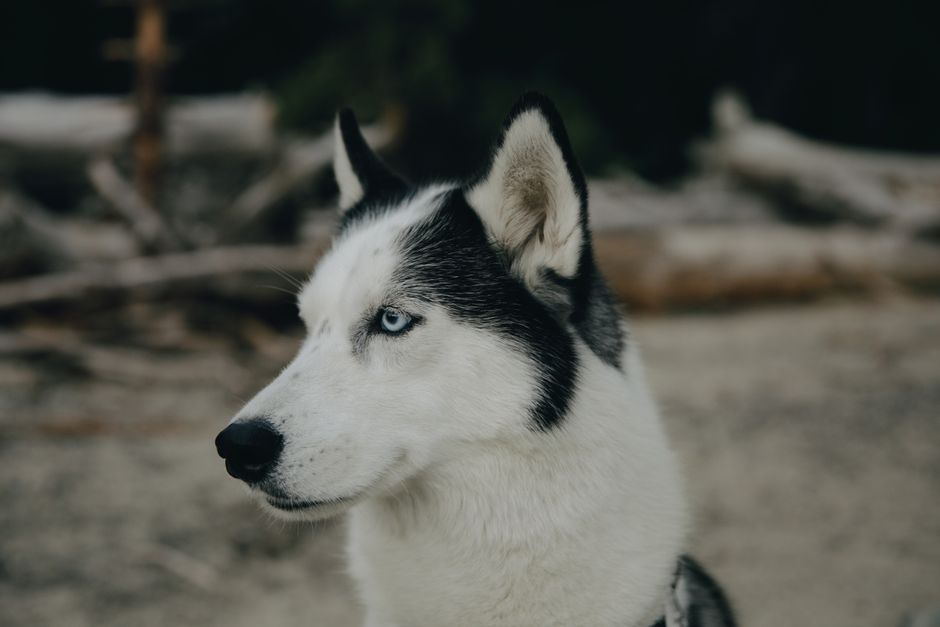
Siberian Huskies have a double coat that comes in a wide array of colors and patterns. The breed standard accepted colors include black, gray, red, sable, agouti, and white, often with white markings on the face, legs, and tail tip. Patterns like saddleback (where color covers the back) and splash (irregular patches) add diversity. Rare colors are those that deviate significantly from the standard or appear infrequently due to recessive genes.
The Rarest Husky Colors
Pure White Husky
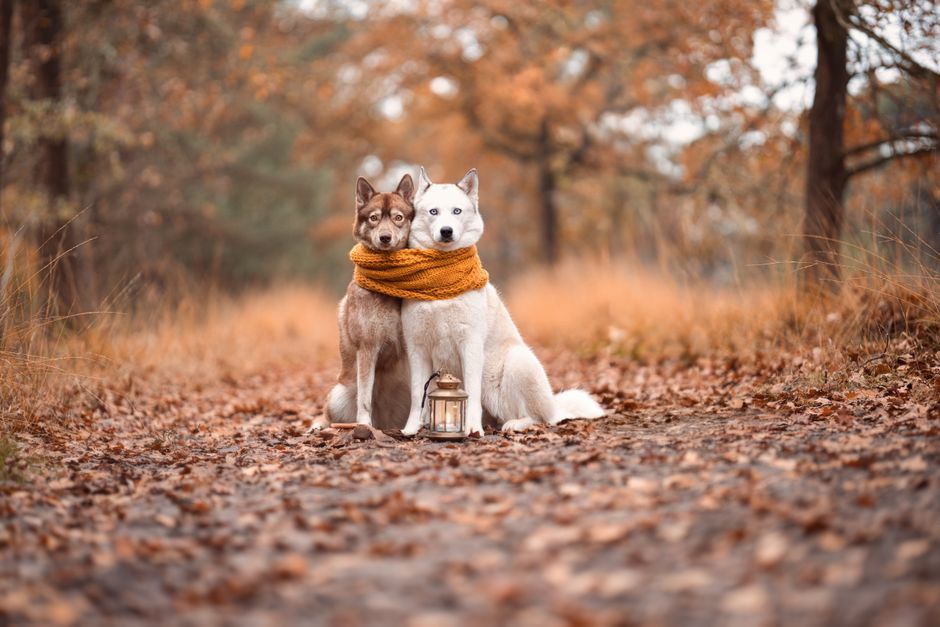
Pure white Huskies are not albinos; they have pigment in their skin, nose, and eyes (usually brown or blue), but their coat lacks any other color due to a recessive gene. This color is relatively rare and stunning, often with a plush white coat. They are fully accepted in the breed standard but are less common than patterned white.
Pure Black Husky
A solid black Husky with no white markings is extremely rare. Most black Huskies have some white on their chest, feet, or face. The solid black coat is caused by a dominant black gene, but due to the breed's history, white markings are almost always present. Finding a true solid black husky is a challenge.
Isabella Husky
Isabella is a dilute of the red pigment, resulting in a pale cream or tan coat often with a pinkish tint. These dogs usually have blue eyes and a light-colored nose. The color is caused by a recessive dilute gene. Isabella is rare and highly sought after, but it can be associated with skin sensitivity.
Piebald Husky
Piebald refers to a coat that is mostly white with large, distinct patches of color. While some white spotting is normal, extreme piebald where color is reduced to a few patches is rare. This pattern results from the piebald gene, which affects pigment distribution. Piebald Huskies may have more white than color, giving them a unique appearance.
Sable Husky
Sable is a color where each individual hair has bands of light and dark pigment, giving a shaded effect. Sable Huskies can range from light silver to deep charcoal. While not extremely rare, the sable pattern is less common than solid or standard patterns and is often mistaken for agouti.
Splash Coat Husky
Splash coat is a pattern where color appears in irregular, broken patches on a white background, often with ticking (small spots). This pattern is caused by the extreme white spotting gene combined with other modifiers. It is rare and gives each dog a unique, painted look.
Wooly Coated Husky
Though not a color, the wooly coat is a rare coat type characterized by a longer, softer, and fluffier outer coat. Wooly Huskies often have a plush, teddy-bear appearance. This trait is recessive and can come in any color. It requires extra grooming and is not preferred by breeders focused on the standard.
Genetics Behind Rare Husky Colors
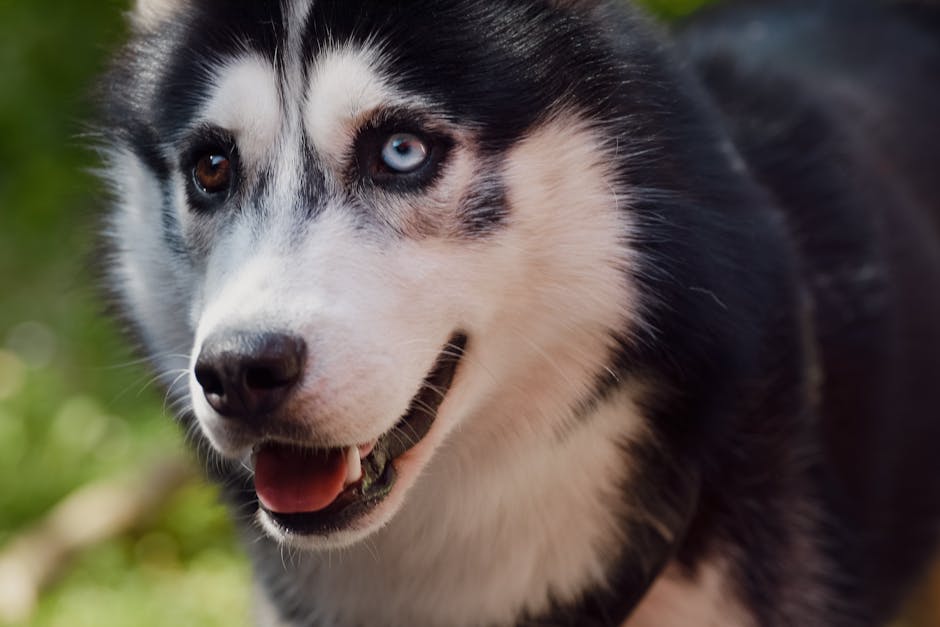
The coat color of Siberian Huskies is controlled by multiple genes. The E locus (extension) determines whether a dog can produce black or red pigment. The K locus (dominant black) can override other patterns. The A locus (agouti) controls banding. The B and D loci affect dilution. White spotting is controlled by the S locus. Rare colors often occur when recessive alleles combine in unique ways. For example, pure white requires two copies of the white spotting gene (sp/sp) with minimal pigment elsewhere. Isabella is the result of two copies of the dilute gene (dd) on a red base (ee). Understanding genetics helps breeders predict colors, but ethical breeding should prioritize health over novelty.
Are Rare Huskies More Expensive?
Yes, rare-colored Huskies often command higher prices due to demand and perceived uniqueness. Prices can range from $1,500 to over $5,000 for colors like Isabella or pure white. However, this markup can encourage unethical breeding practices, including inbreeding or prioritizing color over health. Reputable breeders charge based on health, temper, and conformation, not just color. Be wary of breeders who specialize only in rare colors.
Tips for Finding a Rare Colored Husky
- Research reputable breeders: Look for breeders who perform health tests (OFA, CERF, etc.) and can show you the parents.
- Visit in person: Never buy a puppy sight unseen. See the living conditions and meet the parents.
- Ask about genetics: A good breeder will explain how they achieved the rare color and whether it comes with any health risks.
- Avoid fad colors: Colors like “designer” patterns or those not recognized by the breed standard may be associated with health issues or poor breeding.
- Consider rescue: Rare-colored Huskies sometimes end up in shelters. Adopting can be a wonderful option.
Health Considerations
While most rare colors are not directly linked to health problems, some associated genes can cause issues. For example, extreme white spotting (piebald) can be linked to deafness in some breeds, though it is less common in Huskies. Dilute colors (Isabella) may have a higher risk of skin allergies due to thinner coat and less pigment. Wooly coats can be prone to matting and hot spots. Always ensure your Husky comes from a breeder who screens for hip dysplasia, eye disorders, and thyroid problems—common in the breed regardless of color.
Conclusion
Rare Husky colors are proof of the breed's genetic diversity. From the ethereal white to the striking Isabella, each color has its own charm. However, color should never be the primary reason for choosing a Husky. Prioritize health, temperament, and finding a responsible breeder or rescue. A well-bred Husky of any color will bring joy, loyalty, and adventure into your life.
Frequently Asked Questions About Rare Husky Colors
Is a white Husky albino?
No. True albino Huskies are extremely rare and have pink eyes and noses. White Huskies have normal pigmentation in their skin, eyes, and nose.
Do rare colored Huskies have more health problems?
Not inherently, but some colors may be associated with specific conditions. Always buy from a breeder who health tests.
Can you breed for rare colors?
Yes, but ethical breeding requires careful selection to avoid genetic issues. Breeding solely for color is discouraged.
| Color | Rarity Level | Genetic Cause |
|---|---|---|
| Pure White | Rare | Recessive white spotting (sp/sp) |
| Pure Black | Very Rare | Dominant black (Kb) with minimal white |
| Isabella | Rare | Dilute (dd) on red (ee) |
| Piebald | Rare | Extreme white spotting (S^i) |
| Sable | Uncommon | Agouti (A^y) or sable pattern |
| Splash | Rare | Complex white spotting modifiers |