When considering adding a Siberian Husky to your family, one of the most common questions is whether to choose a male or a female. While both genders share the breed's iconic traits—intelligence, energy, and striking appearance—there are distinct differences in size, temperament, and behavior. This guide provides a comprehensive comparison to help you make an informed decision.
Size and Physical Differences
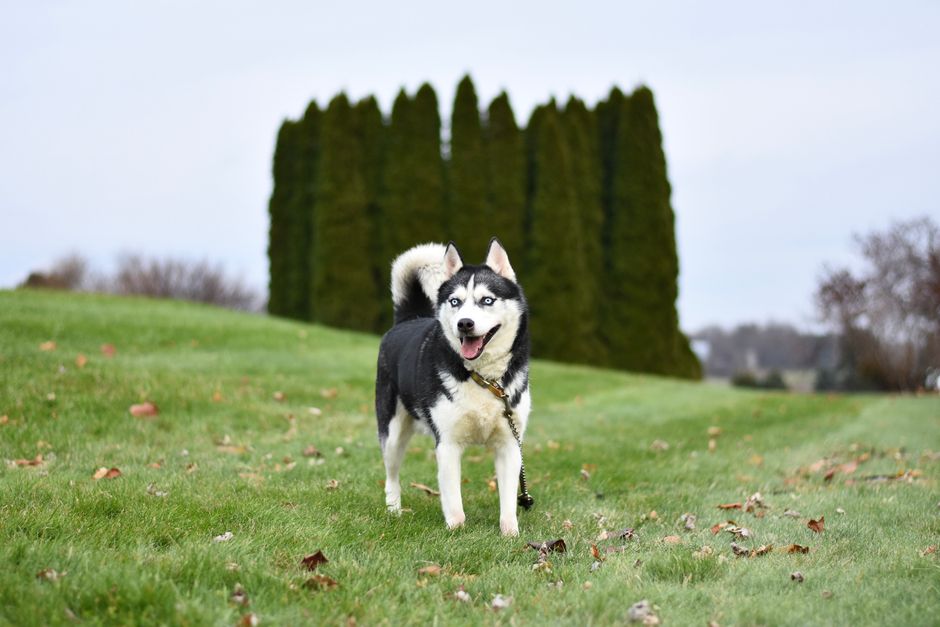
Male Siberian Huskies are typically larger and more muscular than females. Males stand 21–23.5 inches tall at the shoulder and weigh 45–60 pounds, whereas females are 20–22 inches tall and weigh 35–50 pounds. This size difference can affect everything from food consumption to the amount of space they need. Males also tend to have a more pronounced ruff around the neck, giving them a thicker appearance. If you live in a small apartment, a female's slightly smaller size might be more manageable.
Temperament and Personality Traits
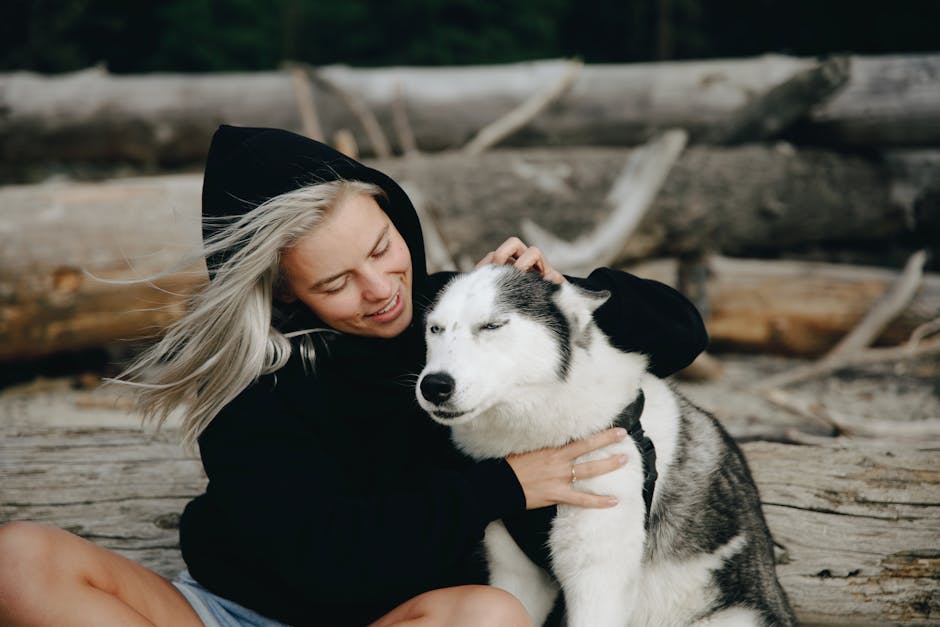
Individual personality varies, but general trends exist. Males are often more outgoing, affectionate, and eager to please, making them slightly easier to bond with initially. They can be more playful and silly well into old age. Females, on the other hand, tend to be more independent and sometimes stubborn. They are often described as 'cattier'—more aloof and particular about when they want attention. Females may also mature faster mentally, which can make training easier in some respects. However, both genders are known for their friendly, wolf-like demeanor and are not typically guard dogs.
Training and Obedience
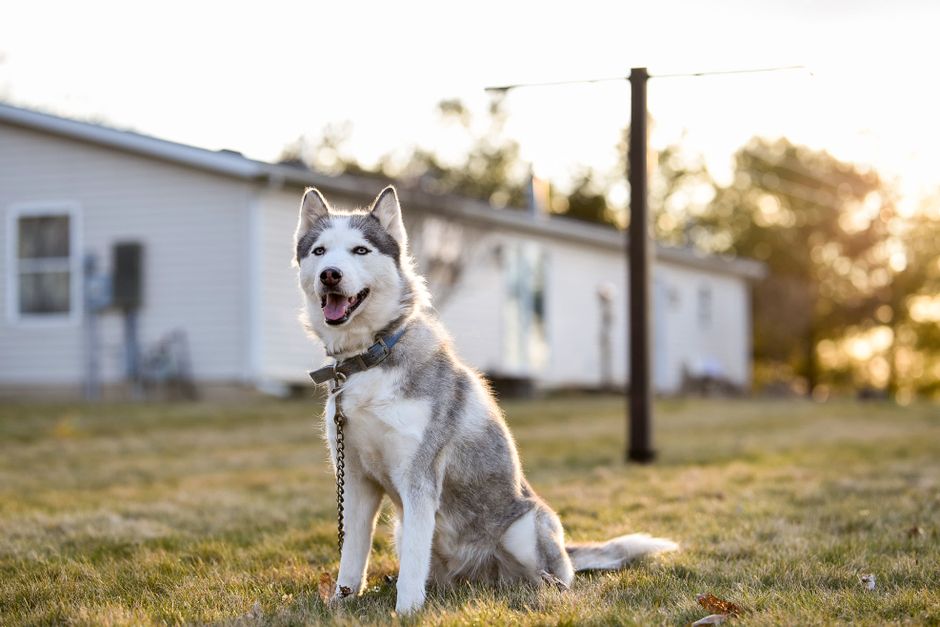
Huskies are intelligent but notoriously independent, so training requires consistency regardless of gender. Males may be more food-motivated and eager to work, but they can also be more distractible, especially around other dogs or interesting scents. Females often have a 'what's in it for me?' attitude, but once they decide to comply, they are incredibly focused. Spaying/neutering plays a huge role: intact males may be more stubborn and mark territories, while spayed females are often calmer and easier to train. Use positive reinforcement techniques, and start training early. For both genders, enrolling in puppy classes is highly recommended.
Energy Levels and Exercise Needs
Both male and female Huskies are high-energy dogs bred for endurance. However, males often have slightly higher stamina and can be more relentless in their demand for exercise. They may require longer walks or more intense play sessions to prevent destructive behavior. Females, while still active, may have bursts of energy followed by periods of calm. An hour of vigorous exercise daily is the minimum for both. Without adequate exercise, Huskies of either gender can become bored and develop problematic behaviors like digging or howling.
Health and Lifespan Considerations
The average lifespan for Siberian Huskies is 12–15 years. There are few gender-specific health differences, but some conditions are more common in one gender. For example, males are more prone to certain cancers and testicular issues if unneutered. Females face risks related to reproduction, such as pyometra (uterine infection) and mammary tumors. Spaying after maturity can reduce these risks. Hip dysplasia and eye disorders (e.g., cataracts, progressive retinal atrophy) affect both sexes equally. Responsible health screening by breeders is crucial.
Grooming and Shedding
Both male and female Huskies have double coats that shed heavily twice a year (blowing coat). Males may shed slightly more due to larger size, but the difference is minimal. During shedding seasons, daily brushing is important for control loose fur. Females may shed more after heat cycles if unspayed. Regular nail trims, ear cleaning, and dental care are identical for both genders.
Compatibility with Families and Other Pets
Both genders are generally good with children, but their high energy can knock over toddlers. Males are often more patient with rough play, while females may be more reserved. With other dogs, same-sex aggression can occur, particularly between two intact males. Males are more likely to challenge for dominance, while females can be assertive but less confrontational. Early socialization helps. Regarding other pets, both have a strong prey drive due to their hunting heritage, so cats and small animals require careful introduction and supervision.
Table: Quick Comparison
| Trait | Male | Female |
|---|---|---|
| Size | Larger, heavier | Smaller, lighter |
| Temperament | Outgoing, affectionate, playful | Independent, aloof, mature |
| Trainability | Eager but distractible | Stubborn but focused when motivated |
| Energy Level | Higher stamina, non-stop | High but with calmer periods |
| Health Risks | Testicular cancer (if intact) | Pyometra, mammary tumors (if intact) |
| Best For | Active singles, families with older children | Experienced owners, homes with less dog-to-dog competition |
Which One Should You Choose?
The decision ultimately depends on your lifestyle and preferences. If you want a goofy, affectionate companion who is always up for adventure, a male might be your match. If you prefer a more independent, slightly more mature dog who is still high-energy but with moments of calm, a female could be ideal. Consider your experience level: first-time husky owners may find females less demanding but more challenging in training. Meet individual dogs rather than relying solely on gender stereotypes—personality varies greatly within genders. Regardless of choice, ensure you can meet the exercise, grooming, and mental stimulation needs of this remarkable breed. Adopt from a reputable breeder or rescue, and you'll gain a loyal, beautiful friend.