If you're a Siberian Husky owner, you've likely noticed your furry friend engaging in some serious licking sessions. While occasional licking is normal, obsessive licking can be a sign of underlying issues that need attention. This comprehensive guide delves into the reasons behind husky obsessive licking, how to address it, and when to seek professional help.
Understanding Why Huskies Lick
Licking is a natural behavior for dogs, but huskies may take it to extremes. Here are some common reasons:
- Grooming: Huskies are clean dogs and may lick to groom themselves, especially after eating or walking.
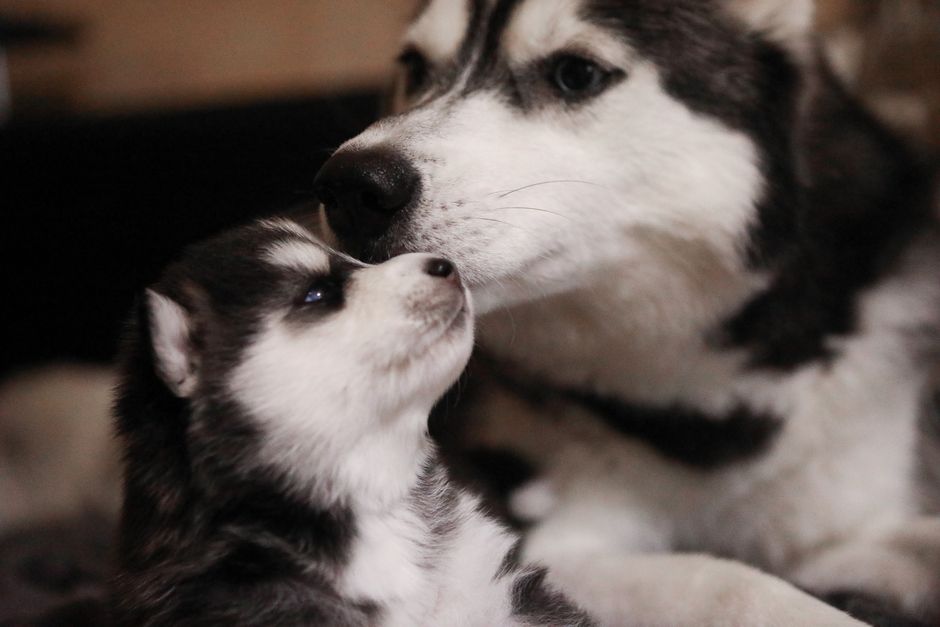
- Affection: Licking can be a sign of bonding, similar to how wolves lick pack members.
- Exploration: Mouthing and licking help huskies explore their environment, tastes, and smells.
- Stress or Anxiety: Compulsive licking can be a coping mechanism for stress or separation anxiety.
- Medical Issues: Pain, allergies, or skin irritations often trigger excessive licking.
Is Obsessive Licking a Problem?
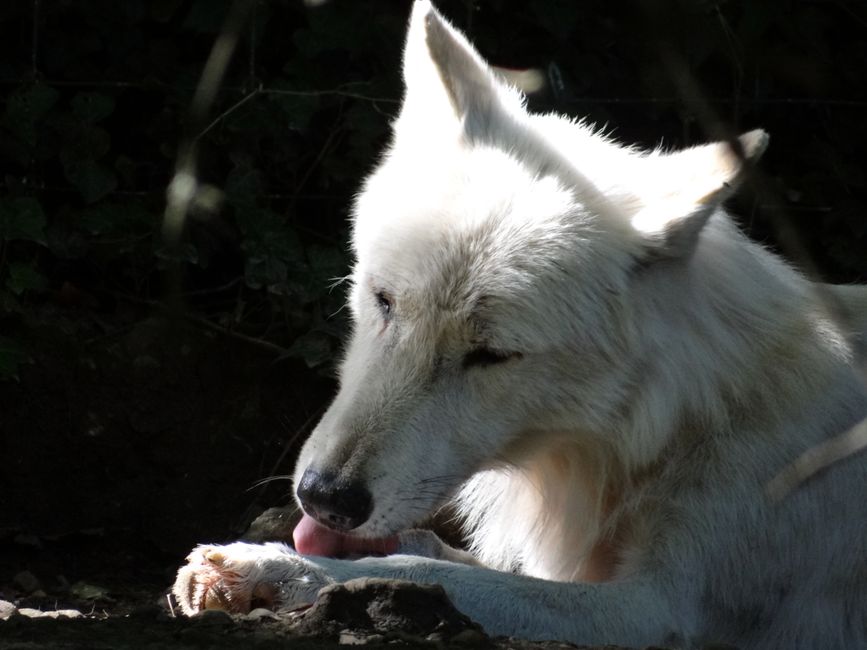
Occasional licking is harmless, but obsessive licking becomes problematic when it causes physical damage or interferes with daily life. Signs include:
- Hair loss or bald patches
- Red, inflamed, or raw skin (hot spots)
- Licking to the point of causing sores
- Interrupting eating, sleeping, or play
- Focusing licking on a specific area (paws, legs, tail)
Common Causes of Obsessive Licking in Huskies
Medical Causes
| Cause | Symptoms | Solutions |
|---|---|---|
| Allergies (food, pollen, mold) | Itchy skin, ear infections, paw licking | Diet trial, antihistamines (vet-prescribed) |
| Dry skin (low humidity, poor diet) | Flaky skin, dandruff | Omega-3 supplements, humidifier |
| Parasites (fleas, mites) | Scratching, biting, visible bugs | Flea prevention, medicated shampoo |
| Pain (arthritis, injury) | Limping, sensitivity to touch | Vet examination, pain management |
Behavioral Causes
- Boredom: Underexercised huskies may develop repetitive behaviors. Ensure at least 1-2 hours of physical activity daily.
- Anxiety: Separation anxiety or changes in routine can trigger licking. Consider calming aids or behavioral training.
- Habit: Once started, licking can become a self-reinforcing habit. Redirect to alternative activities.
Diagnosing the Underlying Issue
To effectively stop obsessive licking, you must identify the cause. Start with a visit to your veterinarian, who may perform:
- Physical examination and skin scrape
- Allergy testing (blood or intradermal)
- Blood work to rule out systemic diseases
- Fecal exam for parasites
If medical causes are ruled out, a veterinary behaviorist can assess anxiety or compulsive disorders.
How to Stop Obsessive Licking
Treatment depends on the cause, but general strategies include:
- Address medical issues: Follow vet’s treatment plan for allergies, infections, or pain.
- Provide mental stimulation: Puzzle toys, scent games, and training sessions divert attention.
- Increase exercise: Huskies need vigorous activity; try running, hiking, or sledding.
- Use bitter sprays: Apply safe, bitter-tasting deterrents to areas being licked.
- Protect the area: Use an Elizabethan collar or bandage to allow healing.
- Reduce stress: Create a calm environment, use pheromone diffusers, or try anxiety wraps.
- Positive reinforcement: Reward your husky for not licking and redirect to acceptable behaviors.
Preventative Tips for Husky Owners
Prevent obsessive licking before it starts with these habits:
- Regular grooming to remove loose hair and check for skin issues
- Balanced diet rich in omega-3 fatty acids for healthy skin
- Keep your husky mentally and physically stimulated
- Establish a consistent routine to reduce anxiety
- Use positive training methods to build confidence
- Provide chew toys and licking mats for safe oral stimulation
When to See a Vet
Contact your veterinarian if your husky:
- Licks persistently for more than a few days
- Develops hot spots, sores, or hair loss
- Shows signs of pain or discomfort
- Has changes in appetite or behavior
- Does not respond to home management
Early intervention prevents complications like infections or chronic skin damage.
Conclusion
Obsessive licking in huskies is a cry for help—whether medical or behavioral. By understanding the underlying cause and implementing targeted solutions, you can stop the cycle and improve your husky's well-being. Always consult your vet for a proper diagnosis, and use positive reinforcement to guide your husky toward healthier habits. With patience and care, you can help your furry friend live a happier, itch-free life.