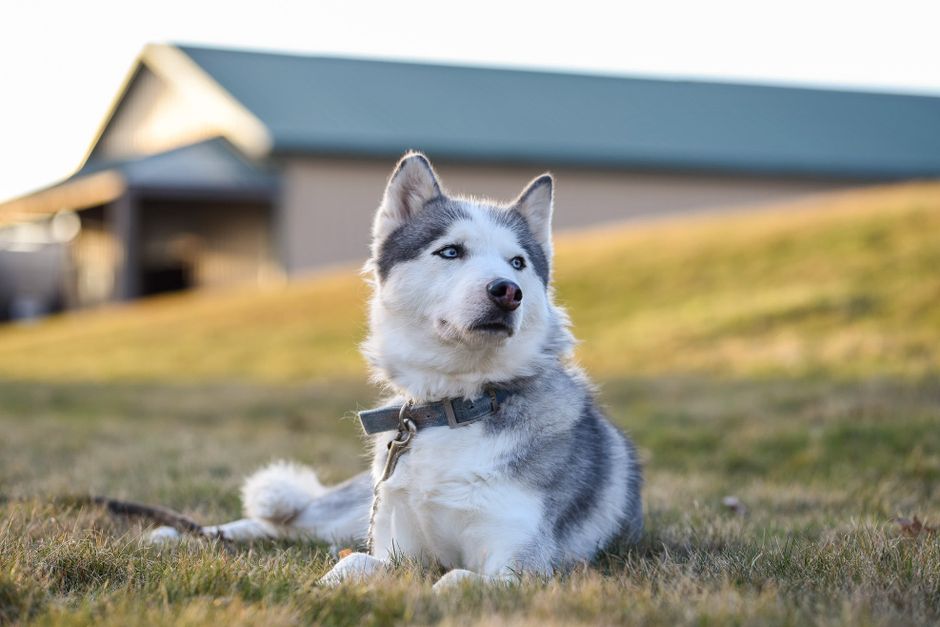
Understanding Normal Husky Behavior vs. 'Weird'
Huskies are known for their energetic, mischievous, and sometimes dramatic personalities. However, when your typically playful and vocal husky suddenly becomes withdrawn, aggressive, or displays odd behaviors like staring at walls or refusing food, it's natural to worry. Before panicking, understand that 'weird' can range from normal breed quirks to signs of underlying issues. This guide helps you differentiate and take appropriate action.
Common Reasons for Sudden Weird Behavior
Medical Issues
Sudden changes often stem from physical discomfort. Pain from conditions like hip dysplasia, dental problems, or gastrointestinal upset can make a husky act out. Other medical causes include ear infections, skin allergies, or neurological disorders. If your husky is also lethargic, vomiting, or showing other symptoms, consult a vet immediately.
Behavioral Causes
Huskies are intelligent and need mental stimulation. Boredom can lead to destructive or strange behaviors like digging, howling excessively, or pacing. Stress from changes in routine, new family members, or loud noises (like fireworks) can also trigger odd actions. Separation anxiety is common – your husky might act weird when you leave, such as scratching doors or toileting indoors.
Environmental Changes
Changes in the home environment – moving, new furniture, or even a different brand of food – can disorient a husky. Seasonal shifts may affect energy levels. Also, if your husky ingested something toxic (like chocolate or plants), it could cause erratic behavior. Always check for household hazards.
Age-Related Changes
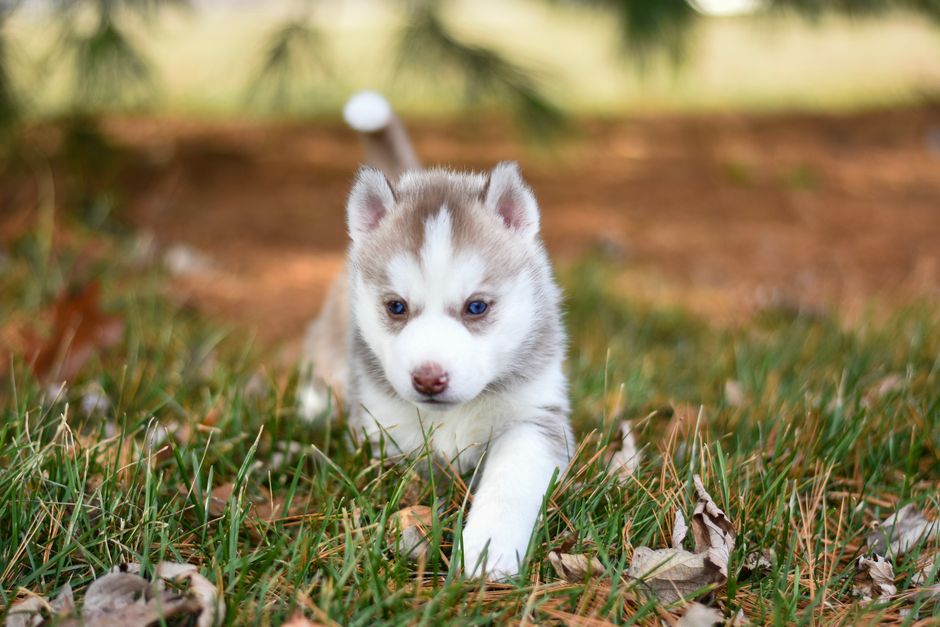
Puppies explore the world with strange antics like eating grass or spinning. Senior huskies may suffer from canine cognitive dysfunction (similar to dementia), leading to confusion, restlessness, or altered sleep patterns. Both life stages require patience and sometimes veterinary guidance.
Specific 'Weird' Behaviors and Their Meanings
| Behavior | Possible Cause | Action |
|---|---|---|
| Staring at walls or corners | Seizure activity, cognitive issues, or seeing shadows | Record video; consult vet if persistent |
| Excessive licking (paws, surfaces) | Allergies, pain, anxiety, or nausea | Check for irritants; see vet for allergy tests |
| Suddenly aggressive (growling, snapping) | Pain, fear, or resource guarding | Do not punish; identify trigger; consult trainer or vet |
| Refusing to eat or drink | Dental pain, illness, or food aversion | Offer bland diet; if >24hrs, vet visit |
| Hyperactivity or frantic pacing | Boredom, anxiety, or hyperthyroidism | Increase exercise; consider calming supplements; vet check |
| Hiding or avoiding interaction | Fear, illness, or pain | Give space; monitor for other symptoms; vet if persists |
When to Worry and When Not To
Not all weirdness is an emergency. A husky zooming around the house or having a 'tantrum' (with dramatic sighs and huffs) is normal breed behavior. However, seek vet care if your husky shows: seizures, collapse, difficulty breathing, repeated vomiting, blood in stool/urine, or inability to stand. Also, if the unusual behavior lasts more than 48 hours, is accompanied by loss of appetite or lethargy, or changes in bathroom habits, a professional check is wise.
How to Respond to Sudden Weirdness
- Stay calm: Your anxiety can worsen the behavior. Speak softly and move slowly.
- Observe and document: Note when it started, frequency, triggers, and any other symptoms.
- Check for physical causes: Look at paws, ears, mouth, and skin for injuries or irritants.
- Remove potential stressors: If noise or people are causing stress, create a quiet safe space.
- Offer comfort: Sit with your husky, gentle petting, or a favorite toy.
- Provide mental stimulation: Try puzzle toys, basic obedience exercises, or a new scent game.
- Consult professionals: If behavior continues, contact your vet or a certified dog behaviorist.
Preventing Future Weirdness
Consistency is key. Maintain a regular schedule for feeding, walks, and playtime. Ensure your husky gets at least 30-60 minutes of vigorous exercise daily plus mental enrichment. Rotate toys and teach new tricks. Schedule annual vet exams and keep vaccinations/parasite control up to date. Socialize your husky positively to reduce fear responses. Finally, watch for subtle changes early – addressing small issues prevents them from escalating into major behavioral problems.
Your husky's sudden weirdness can be unsettling, but with careful observation and prompt action, you can often identify and resolve the cause. Trust your instincts – if something feels off, it's better to be safe and consult your veterinarian. Remember, a healthy, stimulated husky is a happy, predictable companion.