If you own a Siberian Husky, you're likely familiar with their expressive vocalizations. But when your husky starts barking excessively at other dogs during walks or at the dog park, it can be frustrating and embarrassing. Understanding the reasons behind this behavior and implementing effective training techniques can help you and your dog enjoy peaceful outings. This in-depth guide covers everything you need to know about husky barking at other dogs, from causes to solutions.
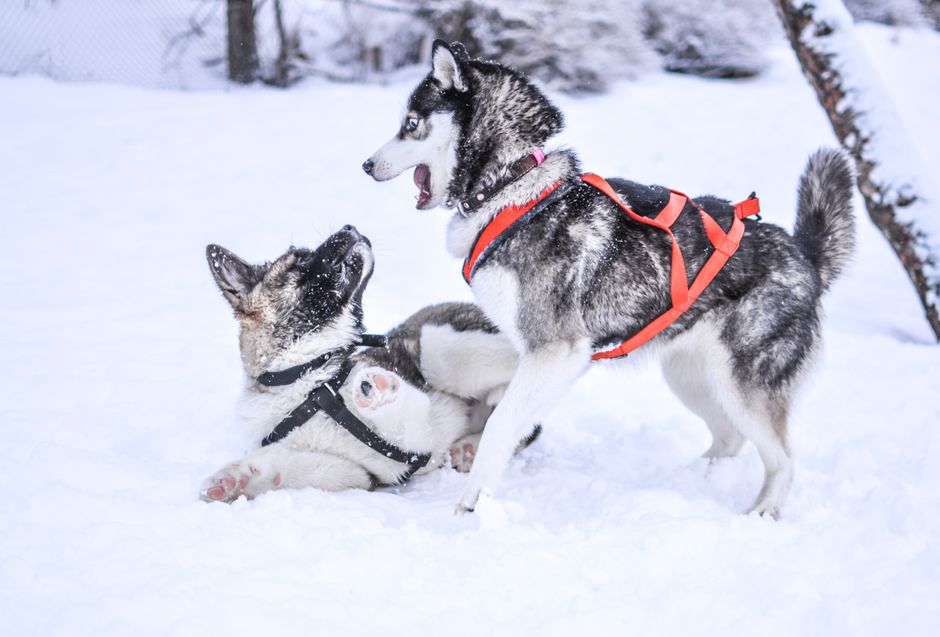
Understanding Why Huskies Bark at Other Dogs
Huskies are known for their talkative nature, but barking at other dogs specifically can stem from several motivations. Identifying the root cause is the first step to addressing it.
The Husky's Unique Vocal Nature
Siberian Huskies were bred to communicate with their pack while pulling sleds over long distances. They use several sounds, including howls, whines, and barks. Unlike some breeds that bark to alert, huskies often bark to express excitement, frustration, or a desire to play. This natural tendency can be misinterpreted as aggression when directed at other dogs.
Common Triggers for Barking at Other Dogs
- Excitement and Greeting: Your husky may bark because they're eager to meet the other dog. This is often accompanied by a wagging tail and a play bow.
- Frustration: If your husky is on a leash and can't reach the other dog, they may bark out of frustration (also called barrier frustration).
- Fear or Anxiety: A nervous husky may bark as a warning to keep other dogs away. Look for body language like tucked tail, flattened ears, or lip licking.
- Prey Drive: Huskies have a strong prey instinct. Small dogs or those that move quickly can trigger a chasing and barking response.
- Protectiveness: Some huskies bark to protect their owner or territory, though this is less common in social settings.
How to Stop Your Husky from Barking at Other Dogs
Training a husky requires patience and consistency. Here are proven techniques to reduce barking at other dogs.
Desensitization and Counterconditioning
This involves gradually exposing your husky to other dogs at a distance where they don't react, then rewarding calm behavior. Over time, you decrease the distance. Pair the sight of another dog with high-value treats so your husky learns to associate it with something positive. Start in a low-distraction environment, like a quiet park at a distance of 50-100 feet.
The "Quiet" Command
Teach your husky to stop barking on cue. When they bark, wait for a pause (even a second), say "Quiet" in a calm tone, and reward. Gradually increase the duration of silence before giving the treat. Practice this during calm moments first, then in the presence of a trigger at a manageable distance.
Distraction Techniques
Use a high-pitched squeaky toy or a special treat that your husky only gets during walks. When you see another dog approaching, engage your husky with the toy or ask for a simple command like "sit" before they start barking. Reward them for focusing on you.
Managing the Environment
Reduce opportunities for unwanted barking. Walk at less busy times, choose routes with fewer dogs, or use a front-clip harness to have better control. If your husky barks from the window at dogs passing by, close the curtains or use window film to block the view.
The Role of Exercise and Mental Stimulation
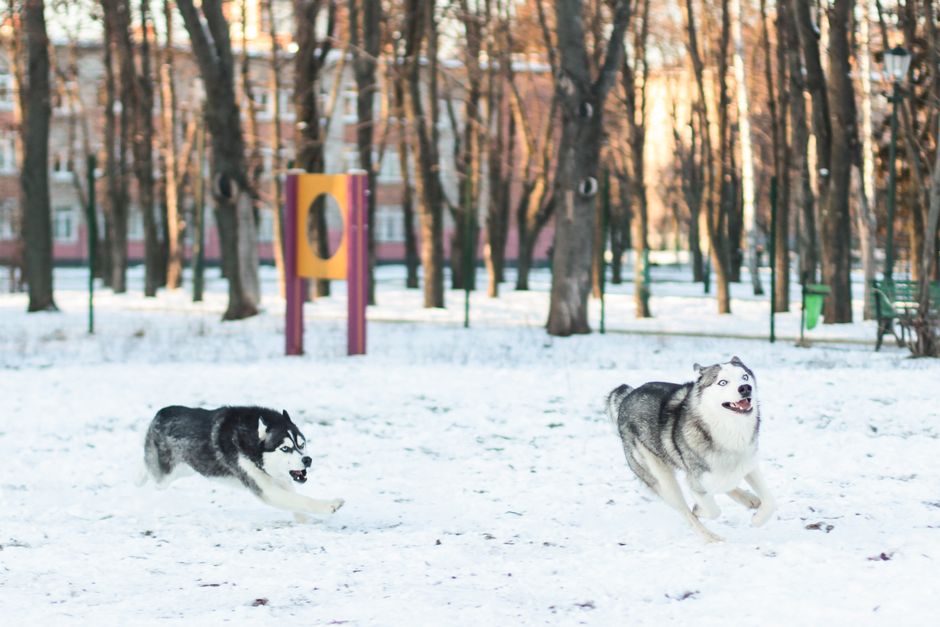
A tired husky is a quieter husky. Ensure your dog gets at least 60-90 minutes of vigorous exercise daily, including running, hiking, or interactive games like fetch. Mental stimulation is equally important—puzzle toys, obedience training, and nose work can tire their mind and reduce reactive barking. A well-stimulated husky is less likely to fixate on other dogs.
When to Seek Professional Help
If your husky's barking is accompanied by growling, lunging, or snapping, it may indicate aggression. Consult a certified dog behaviorist or a professional trainer who uses positive reinforcement. They can create a tailored plan and help you manage more complex cases. Also, if your husky's reactivity worsens despite consistent training, a vet check can rule out pain or medical issues.
Frequently Asked Questions
| Question | Answer |
|---|---|
| Is it normal for huskies to bark at other dogs? | Yes, it's common due to their social and vocal nature. But excessive barking can be managed with training. |
| Can I use a shock collar? | Not recommended. Punishment can increase anxiety and make barking worse. Positive methods are safer and more effective. |
| How long does training take? | It varies. Some huskies improve in a few weeks, while others may need months of consistent practice. |
| Should I let my husky greet every dog? | No, not every greeting is appropriate. Teach a neutral "leave it" command and only allow greetings when both dogs are calm. |
Understanding your husky's barking at other dogs is the key to solving it. With patience, empathy, and the right techniques, you can transform stressful walks into bonding experiences. Remember, every husky is unique—celebrate small victories and stay consistent. Happy training!