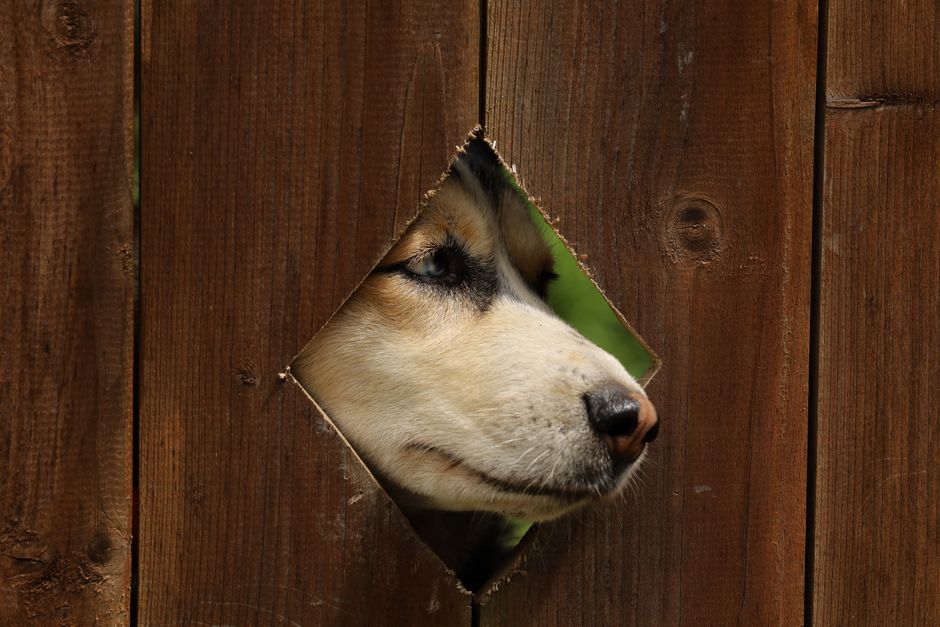
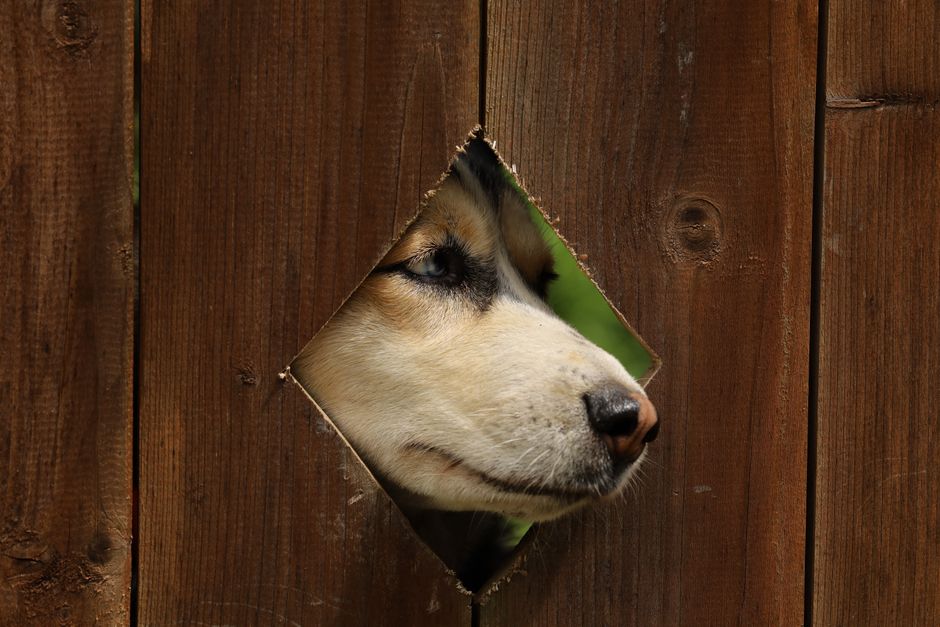
Does your Siberian Husky treat your backyard like an Olympic escape course? You're not alone. Huskies are legendary escape artists, known for climbing fences, digging under gates, and even bending chain-link panels. This behavior stems from their history as sled dogs—independent, strong, and always looking for a way to roam. But with the right strategies, you can keep your Husky safely contained.
Why Do Huskies Escape?
Understanding the root cause is the first step to solving the problem. Here are the most common reasons:
- High Prey Drive: A squirrel, rabbit, or even a falling leaf can trigger your Husky's instinct to chase. They'll dig, jump, or squeeze through any gap to pursue it.
- Boredom and Lack of Exercise: Huskies are high-energy working dogs. Without enough physical and mental stimulation, they'll find their own entertainment—which often involves escaping.
- Separation Anxiety: Some Huskies become anxious when left alone and try to escape to find their owners.
- Breeding Instincts: An unspayed/unneutered Husky may roam in search of a mate.
- Lack of Proper Containment: Many fences aren't Husky-proof. They can climb, chew, or dig with ease.
How to Prevent Your Husky From Escaping
Prevention requires a multi-layered approach. Here's how to Husky-proof your yard.
Secure Your Fence
- Check for Gaps and Weak Points: Walk the perimeter regularly. Huskies can squeeze through surprisingly small holes. Fill gaps with hardware cloth or concrete.
- Dig-Proofing: Bury chicken wire or hardware cloth at least 1-2 feet deep along the fence line, or lay it flat on the ground and cover with dirt. An L-shaped footer (apron) extending outward also deters digging.
- Climb-Proofing: Huskies can climb chain-link fences. Add a lean-in extension at the top (angled inward) or install a coyote roller bar. Alternatively, use a solid wooden fence at least 6 feet tall without horizontal rails that offer footholds.
- Automatic Closing Gates: Install self-closing hinges and a latch that cannot be nudged open. Use a carabiner or padlock as a backup.
Provide Ample Exercise and Enrichment
A tired Husky is less likely to escape. Aim for at least 1-2 hours of vigorous exercise daily, split into morning and evening sessions. Include activities that satisfy their natural instincts:
- Running: Let them run in a safe area—dog park, fenced field, or alongside a bike (use a bike attachment leash).
- Pulling: Hook up a wagon or sled to harness their pulling drive.
- Mental Stimulation: Puzzle toys, treat-dispensing Kongs, obedience training, and nose work games keep their mind busy.
Address Separation Anxiety
If your Husky escapes only when you're away, they might have separation anxiety. Counter-conditioning and desensitization help. Start with short departures, gradually increasing time. Provide a safe space with interactive toys, and consider using a pet camera to monitor. In severe cases, consult a veterinarian or behaviorist.
Training Techniques to Stop Escaping
Training is important for reinforce boundaries and improve recall.
Reinforce a Strong Recall
Practice the “come” command daily in a controlled environment. Use high-value treats (e.g., cheese, hot dogs). Once reliable indoors, move to the yard with a long leash, then to off-leash areas. Never punish your Husky when they finally return—make coming to you a positive experience.
Teach a “Place” or “Stay” at the Gate
Train your Husky to stay away from the gate area. Use a mat or bed near the door and reward them for staying put when you open the gate. This prevents door-dashing.
Proof Your Fence Boundaries
Walk your Husky on a leash along the fence line, rewarding calm behavior. This teaches them that the fence is a boundary, not a challenge. Repeat daily.
Discourage Digging and Jumping
If you catch your Husky digging or testing the fence, interrupt with a firm “no” and redirect to an appropriate activity (e.g., digging pit with toys). Never punish after the fact.
What to Do If Your Husky Escapes
Even with precautions, escapes happen. Be prepared:
- Stay Calm: Panicking won't help. Call your Husky in a cheerful tone and run away from them—this triggers their chase instinct and they may follow.
- Search Immediately: Huskies often return home or stay within a few blocks if they're just exploring. Check familiar spots (dog parks, neighbors' yards).
- Use Smells: Leave clothing or a blanket with your scent near your door. Their powerful nose can lead them back.
- Contact Local Shelters and Social Media: Notify animal control, vet clinics, and post on community groups (Facebook, Nextdoor).
- Prevent Future Escapes: Analyze how they got out and fix the vulnerability.
Microchipping is crucial. Ensure your Husky has an up-to-date microchip and wears a collar with tags. Many escape artists are reunited with their owners thanks to microchips.
Behavioral Enrichment to Reduce Escaping
A fulfilled Husky has less desire to roam. Here are enrichment ideas:
- Dog Sports: Agility, canicross, skijoring, and sledding tap into their instincts.
- Interactive Toys: Puzzle boards, snuffle mats, and treat-dispensing balls keep them occupied.
- Rotate Toys: Offer new toys every few days to maintain interest.
- Play Dates: Social interaction with other dogs can tire them out mentally and physically.
Common Mistakes Owners Make
- Using a Shock Collar: This often increases anxiety and doesn't address the root cause. Huskies may associate the shock with the fence, reinforcing escape attempts.
- Leaving Them Alone for Long Hours: Without enough exercise, they'll find ways to entertain themselves.
- Underestimating Their Strength: A Husky can bend flimsy fencing or squeeze through small gaps. Invest in sturdy materials.
- Neglecting Maintenance: Regularly inspect your fence for damage or gaps created by weather or other animals.
| Fence Type | Escape Resistance | Pros | Cons |
|---|---|---|---|
| Chain-link (4 ft) | Low | Inexpensive, visible | Easily climbed, dig under |
| Chain-link with roller bars | Medium | Prevents climbing | Still dig under; costly additions |
| Wooden privacy fence (6 ft) | High | No footholds, solid | Can be chewed if wood soft |
| Welded wire mesh with concrete footer | Very High | Dig-proof, climb-proof | Expensive, requires installation |
When to Seek Professional Help
If your Husky's escaping persists despite your best efforts, consider:
- Professional Dog Trainer: Specializes in escape behavior and can create a tailored plan.
- Certified Applied Animal Behaviorist (CAAB or ACAAB): For deep-seated anxiety or compulsive escape patterns.
- Veterinarian: To rule out medical issues (e.g., vision problems) or discuss anti-anxiety medication if appropriate.
Remember, escaping is a symptom, not a personality flaw. Your Husky isn't being “bad”—they're trying to fulfill a need. By addressing exercise, containment, and mental stimulation, you can turn your escape artist into a content homebody. Consistency and patience are key. With the tips in this guide, you'll greatly reduce the chances of your Husky vanishing from your yard.