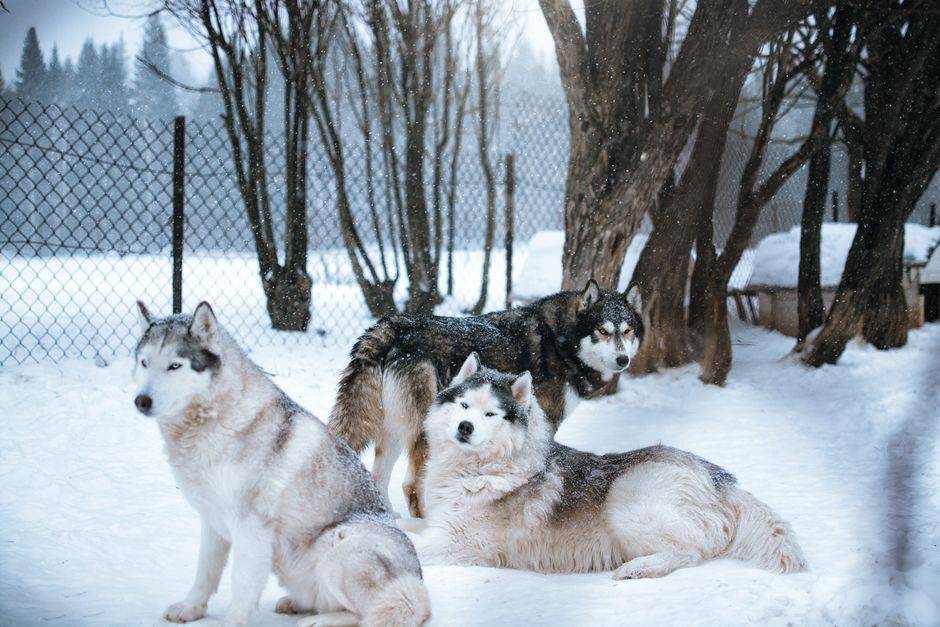
Why Huskies Are Escape Artists
Huskies are known for their intelligence, independence, and incredible athleticism. Bred to pull sleds across vast frozen landscapes, they possess an innate drive to explore and run. This combination makes them notorious escape artists. A typical backyard fence is often no match for a determined Husky. They can dig under fences, climb over them, or even jump or squeeze through gaps. Understanding these behaviors is the first step to effective fence training.
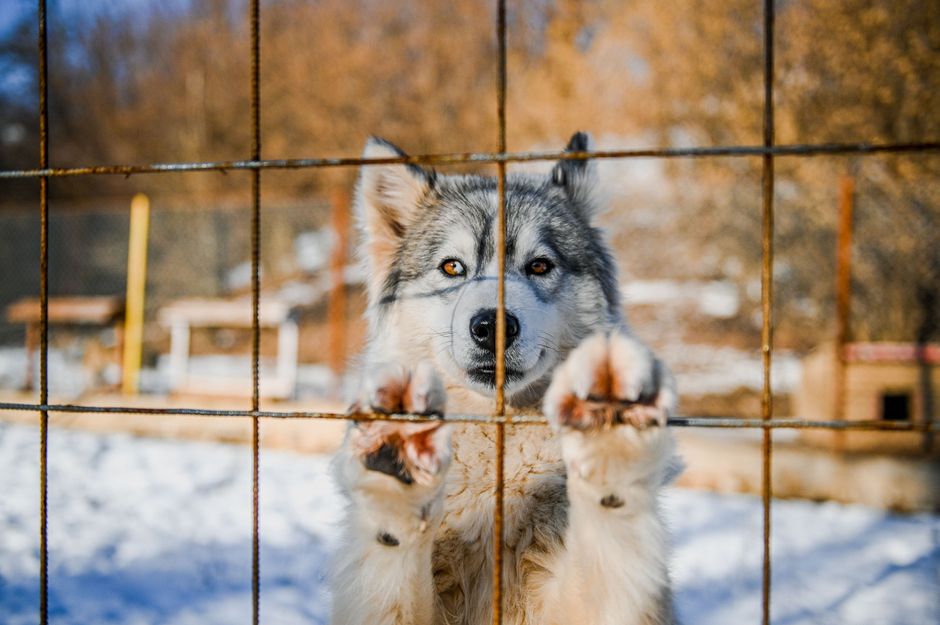
Choosing the Right Fence for Your Husky
Before training begins, you need a fence that can physically contain your Husky. Chain-link fences are often too climbable. Wooden privacy fences are better but must be high enough (at least 6 feet) and have no kickboards or gaps. Consider the following fence options:
- Six-foot wooden privacy fence: Ideal if it has no horizontal rails on the inside that can be used as climbing rungs. Bury the bottom 12 inches underground or lay concrete blocks to prevent digging.
- Wrought iron or mesh: Strong but need to be tall with no footholds. Use at least 6 feet and add roller bars at the top to prevent climbing.
- Invisible or electric fences: Not recommended for Huskies. Their high prey drive can override the fear of a shock, and they may run through it.
- Double fencing: For extreme escape artists, a second fence inside the main creates a buffer zone that deters digging or climbing.
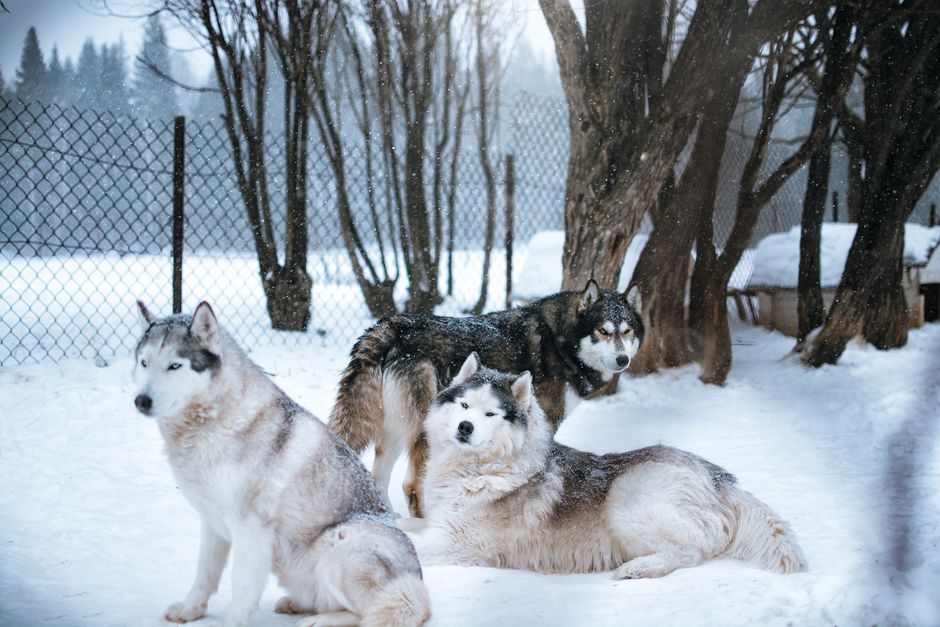
How to Train Your Husky to Respect the Fence
Training focuses on two goals: teaching your Husky to stay away from the fence line and to respond to commands that prevent escape attempts. Use positive reinforcement—never punishment. A Husky that is scared or anxious may try harder to escape.
Step 1: Establish Boundaries
Walk your Husky on a leash around the perimeter of the yard. Stop a few feet from the fence and use a command like "boundary" or "stay back." Mark the spot with a visual cue (e.g., cones or flags). Reward calm behavior. Repeat daily.
Step 2: Supervised Off-Leash Time
Once your Husky understands the boundary on leash, let them off in the yard under close supervision. If they approach the fence, redirect with a cheerful recall command ("come") and reward. If they attempt to dig or jump, interrupt with a sharp noise and immediately call them away. Never chase them—this turns it into a game.
Step 3: Reinforce Stay Commands
Practice a solid "stay" while your Husky is far from the fence, then gradually increase duration and proximity. Use high-value treats like chicken or cheese. A reliable stay can prevent a bolt toward an open gate.
Common Fence Training Problems and Solutions
| Problem | Solution |
|---|---|
| Digging under the fence | Bury chicken wire or landscaping fabric at the base; place large rocks or concrete pavers along the fence line. |
| Climbing or jumping | Install a fence extension, add coyote rollers at the top, or plant dense shrubs along the fence to block a jumping run. |
| Chewing or breaking fence boards | Provide plenty of chew toys; spray bitter apple on the fence; reinforce damaged sections with metal sheeting. |
| Running along the fence line (fence fighting) | Block visual access to neighbors or passersby with privacy slats or shrubs; redirect energy with exercise and training. |
Advanced Techniques for Persistent Escapers
If your Husky still tries to escape, consider these advanced methods:
- Digging prevention: Install a concrete footer below the fence or a buried wire grid that feels uncomfortable to dig.
- Climbing prevention: Attach PVC pipes that spin when your Husky tries to grip the top of the fence, preventing them from gaining a hold.
- Motion-activated deterrents: Sprinklers or noise makers that activate when your Husky gets too close can break the habit.
- Increase exercise and enrichment: A tired Husky is less likely to seek escape. Aim for at least 1-2 hours of vigorous exercise daily and provide puzzle toys.
Maintaining a Secure Environment
Fence training is ongoing. Regularly inspect your fence for weaknesses after storms, digging attempts, or wear. Check gates to ensure they latch securely. Consider a double-gated entry to prevent escapes when you come and go. Keep your Husky microchipped and wearing ID tags in case they do slip out.
Conclusion
Fence training a Husky requires patience, consistency, and the right fencing. By understanding their natural instincts and using positive reinforcement, you can teach your Husky to respect boundaries and stay safe. Remember, no training is 100% foolproof—always supervise your Husky when outside and take proactive steps to secure your yard. A well-trained Husky is a happy, healthy member of the family.