
Why Crate Training Works for Huskies
Siberian Huskies are intelligent, independent, and sometimes stubborn dogs. Crate training taps into their natural den instincts, providing a safe, cozy space that reduces anxiety and prevents destructive behavior. A crate helps with housebreaking, gives your husky a retreat, and makes travel and vet visits less stressful. For a breed known for escaping and chewing, a properly introduced crate is a big improvement.
Choosing the Right Crate for Your Husky
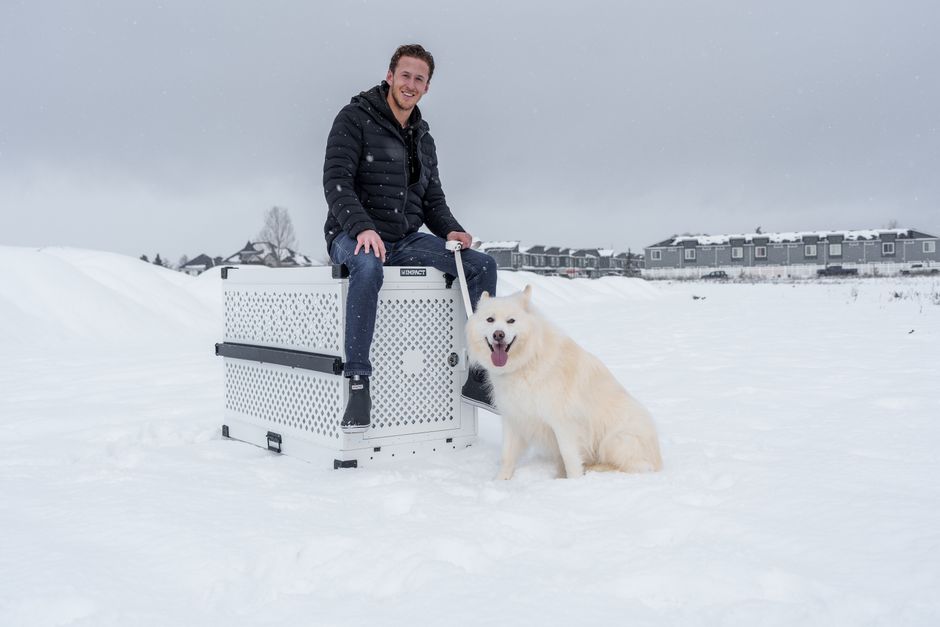
Your husky will grow quickly, so consider an adult-sized crate (42–48 inches) with a divider to adjust space as a puppy. Wire crates offer ventilation and visibility; plastic ones are darker and cozier but less breathable. Sturdy construction is essential because huskies are strong. Avoid soft-sided crates for chewers. Place a comfortable bed or mat inside, but remove if your puppy chews it.
Preparing the Crate for Success
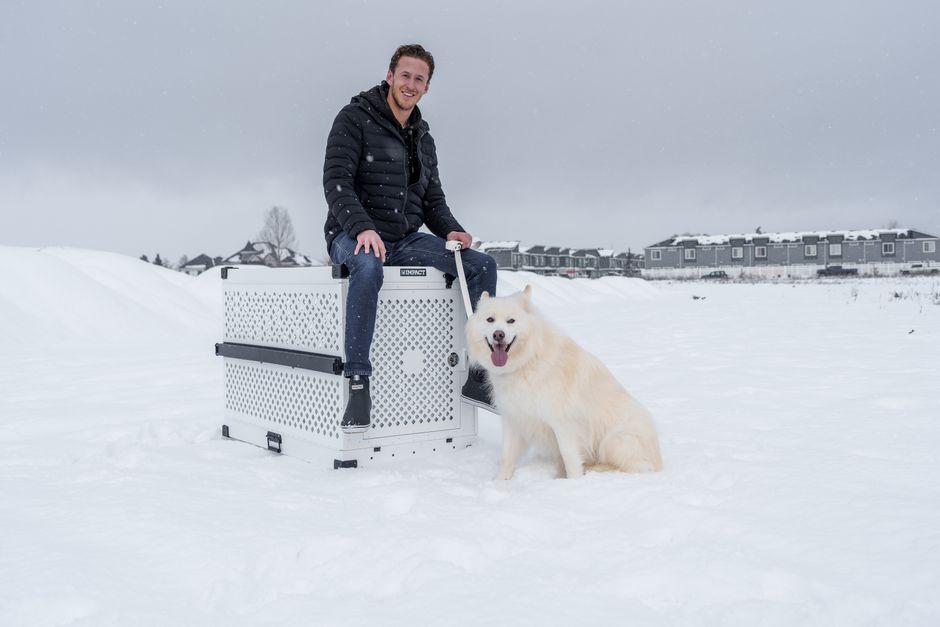
Make the crate inviting: add a soft blanket, a safe chew toy, and maybe a worn t-shirt with your scent. Keep the door propped open initially. Feed meals near or inside the crate. Use treats and praise to create positive associations. Never use the crate as punishment—it should be your husky's happy place.
The Husky Crate Training Schedule
Week 1: Introduction and Short Sessions
Start slow. Toss treats inside and let your husky explore without closing the door. Practice short sit-stays with the door open, then close it for 5 seconds while feeding treats through the bars. Gradually increase closed-door time to 1–2 minutes. Repeat several times daily. Goal: your husky enters willingly and stays calm for short periods.
Week 2: Building Duration
Once your husky is comfortable for a few minutes, start closing the door for 5–10 minutes while you stay nearby. Give a high-value chew (Kong with peanut butter, bone). Gradually increase to 15–20 minutes. If your husky whines, wait for a quiet moment before letting them out. Never let them out during a tantrum—that reinforces whining.
Week 3: Adding Distance
Now practice leaving the room for brief increments. Start with 1 minute, then 5, 10, etc. Use a camera or listen from another room. Return before your husky gets upset. If they remain calm, reward. Slowly extend your absence to 30 minutes. Housetraining tip: take them out immediately after crate time.
Week 4: Longer Crating and Overnight
By week 4, your husky should handle 1–2 hours during the day. Overnight: place the crate in your bedroom so they feel secure. Take them out once or twice for potty breaks (set an alarm if needed). Gradually shift the crate to a desired location. At this stage, most huskies accept the crate as their den.
Common Crate Training Challenges
Whining and Barking: Usually means boredom, needs potty, or isn't used to confinement. First rule out potty need. If it's attention-seeking, ignore (cover crate, use white noise). Do not give in—that teaches barking works. Exercise your husky before crating to tire them out.
Digging and Chewing: Ensure the crate is comfortable; add a sturdy mat. Provide durable chews (Nylabone, frozen carrots). Mental stimulation (puzzle toys) helps. If destructive, check if they need more exercise and mental enrichment outside the crate.
Escaping: Huskies are escape artists. Check that the crate is properly assembled and has secure locks. Use carabiners or additional clips on wire crates. Never leave a collar on inside a crate to avoid snagging.
Tips for Nighttime Crate Training
Set a consistent bedtime routine: last potty walk, then wind down. Keep the crate in your room initially so your husky feels your presence. If they whine, ignore unless it's a potty emergency (usually occurs 2–4 hours after settling). Take them out calmly, no play, then back to crate. Covering the crate with a light blanket can promote sleep. For puppies, set an alarm for potty breaks (every 3-4 hours).
When to Use the Crate and When Not To
Use the crate when you can't supervise: during work hours, overnight, while traveling. Also during house training to prevent accidents. Do not use the crate for punishment or for extended periods (over 4–6 hours for adult dogs; less for puppies). Never crate if your husky shows severe anxiety or panic—seek professional help. Give ample free time: a crated husky needs daily exercise, play, and training outside the crate.
How Long Can a Husky Stay in a Crate?
| Age | Maximum Crate Time (daytime) |
|---|---|
| Puppy (8-10 weeks) | 30-60 minutes |
| Puppy (3-6 months) | 2-3 hours |
| Adolescent (6-12 months) | 3-4 hours |
| Adult (1+ year) | 4-6 hours (max 8 overnight) |
These are general guidelines. Every husky is different; watch for signs of stress. Always provide enrichment and exercise before crating. Never exceed 8 hours total in a 24-hour period for an adult dog.
Conclusion: Patience and Consistency
Crate training a husky takes time, but it's one of the most valuable investments for a happy, well-adjusted dog. Stick to the schedule, use positive reinforcement, and respect your husky's need for freedom. You'll soon have a dog that views the crate as a cozy sanctuary—and you'll have peace of mind.