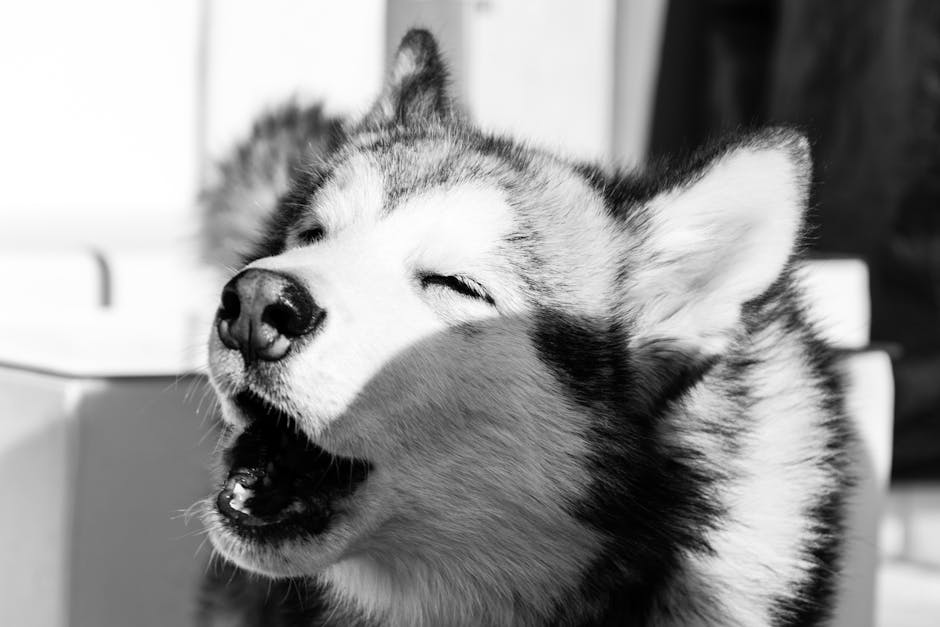
1. The Signature 'Aroo' Greeting
When you walk through the door, your Husky may not simply bark—they’ll unleash a melodious, drawn-out aroo. This vocalization is a hallmark of the breed, often resembling a howl or a song. It’s their way of saying, “Finally! You’re home! I have so much to tell you!” Don’t mistake it for aggression; it’s pure excitement and affection. Respond with a cheerful tone and a scratch behind the ears. If the aroo becomes excessive (especially at 5 a.m.), try ignoring it entirely—Huskies are attention-seekers, and any reaction fuels the habit.
Pro tip: Record your Husky’s aroo and use it as your ringtone. You’ll smile every time.

2. The Deep, Dramatic Sigh
Ever settled on the couch only to hear a loud, theatrical sigh from your Husky? That sigh means “I am so disappointed in your choices.” Perhaps you didn’t offer a treat fast enough, or you decided to work instead of play. This sigh is pure drama—Huskies have mastered passive-aggressive communication. Acknowledge it with a laugh, but don’t give in every time. Redirect to a toy or ask for a trick before giving attention.
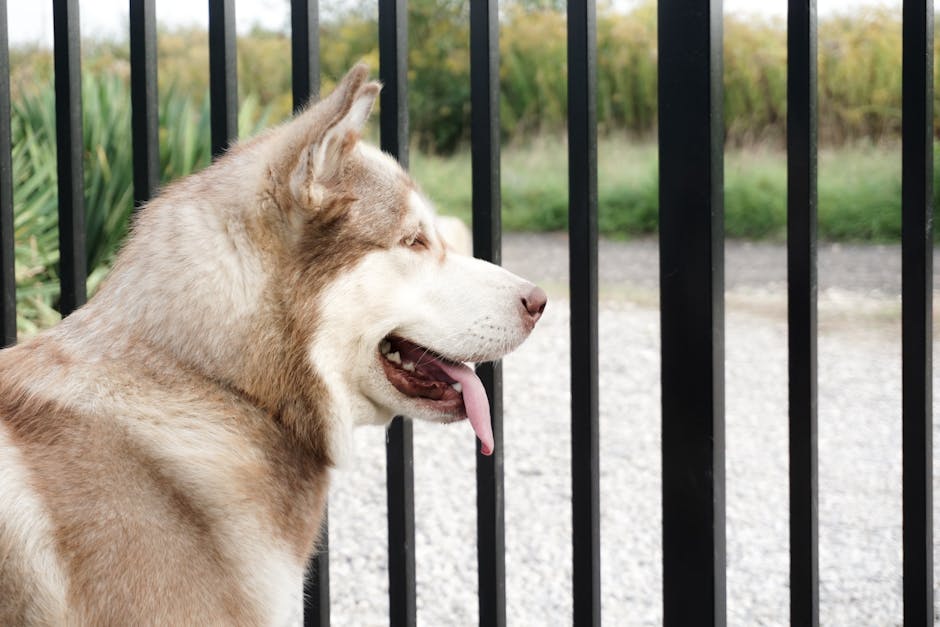
3. The Sassy Head Tilt
One of the most endearing signs of Husky backtalk is the head tilt. When you give a command (like “sit” or “stay”), your Husky may cock their head sharply, as if saying, “Excuse me? Did you just ask me to do something? I’m thinking about it…” This tilt isn’t just cute—it’s a stall tactic. They’re processing the request while deciding whether it’s worth obeying. Maintain eye contact and repeat the command in a firm, playful tone. If they comply, reward immediately. If they don’t, they’re testing boundaries.
4. The Bark-Back Argument
Huskies are not shy about talking back. If you scold them or tell them “no,” they may fire off a series of sharp barks or low grumbles. This is their version of arguing—“You can’t tell me what to do! I’m a free spirit!” It’s important not to escalate. Stay calm, use a low voice, and redirect to an alternative behavior. Never shout back; that only encourages the backtalk. Consistency is key: if you ignore the argument, they’ll learn it’s ineffective.
5. The 'I’m Ignoring You' Stare
You call your Husky’s name. They turn their head slowly, lock eyes with you for precisely one second, then deliberately look away. That blank stare says, “I heard you, but I’m choosing to ignore you because you’re not interesting enough.” This selective deafness is a classic Husky trait. To combat it, make your presence more valuable: clap your hands, rattle a treat bag, or start a fun game. Never repeat the command more than twice; wait for them to re-engage on your terms.
6. The Whining Negotiation
Whining is a Husky’s best negotiating tool. They’ll whine by the door, by the food bowl, or stare at you while you eat. It’s not a complaint—it’s a request. And if you give in, you’ve just taught them that whining works. Instead, teach a polite alternative like ringing a bell to go out or sitting quietly for food. Ignore the whining entirely; even eye contact can be a reward. Your Husky will quickly switch tactics.
7. The Side-Eye Judgement
Your Husky may give you a sideways glance—half of the eye is visible, the other half hidden. This side-eye is pure judgment. It says, “Really? You’re putting on that sweater? You’re eating nachos without sharing?” It’s their way of expressing disapproval without full confrontation. Laugh it off and offer a toy or a walk. The side-eye is harmless, but if paired with growling or stiffness, check for discomfort.
8. The Paws on the Counter
You’re preparing dinner, and suddenly two furry paws appear on the counter. This isn’t a request—it’s a statement: “I belong up here. Share.” Huskies are resourceful and will use their height to their advantage. Never reward this behavior. A firm “off” and immediate removal of the paws is necessary. Better yet, teach “place” or “crate” during meal prep to prevent the counter surfing.
9. The Dramatic Flop
When asked to move from a cozy spot, your Husky might flop onto the floor with a heavy sigh, legs sprawled, looking like a tragic hero. This is the ultimate passive resistance: “You’ll have to carry me. I’m not moving.” While hilarious, it can be dangerous if you need them to move quickly. Make moving a game—call them to you with a happy voice or a toy. If they flop, ignore it; they’ll eventually get bored and follow.
10. The Belly-Up Negotiation
Finally, the most disarming sign: your Husky rolls onto their back, exposing their belly. This isn’t always submission—often it’s a trick to get belly rubs while avoiding a command. They’re saying, “You can’t be mad at me when I’m this cute!” Give them a quick rub, but then ask for the original command again. If they comply, reward. If they stay belly-up, you’ve been outsmarted. Enjoy the moment, then try again later.
How to Handle the Sass
Embracing your Husky’s sassy attitude is part of the joy of ownership. However, maintain clear boundaries. Use positive reinforcement, never punishment. Consistency across all family members is crucial. And remember: a sassy Husky is a happy Husky—they’re communicating because they trust you. Keep training sessions short and fun, and never take the backtalk personally.
When Sass Becomes a Problem
If the talking back is accompanied by growling, snapping, or resource guarding, consult a professional trainer. Sometimes sass can escalate to aggression if the dog feels misunderstood. Otherwise, enjoy the conversation—your Husky loves you enough to argue with you.