Training a Siberian Husky is a rewarding challenge. These intelligent, independent dogs respond exceptionally well to visual cues. Hand signals tap into their natural ability to read body language, making training more effective and strengthening your bond. This comprehensive guide will teach you how to train your Husky with hand signals, from basic commands to advanced techniques.
Why Hand Signals Work for Huskies
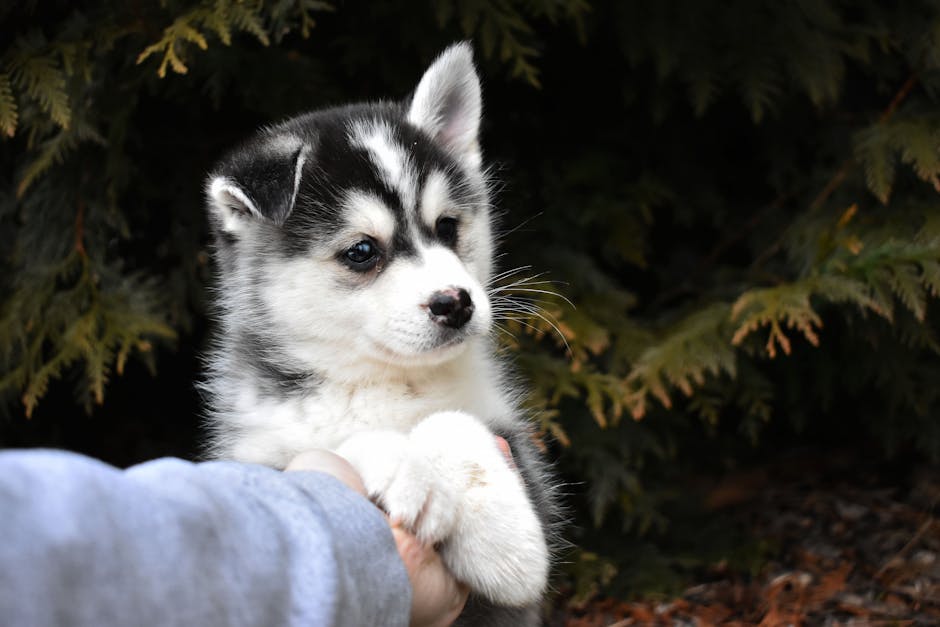
Huskies are ancient working dogs bred to follow visual cues over long distances. They are highly attuned to body language and often find hand signals clearer than spoken words. Using hand signals can cut through distractions—especially useful in noisy environments or when your dog is far away. Additionally, hand signals are beneficial for older dogs with hearing loss or in emergency situations where verbal commands might fail.
Essential Prerequisites
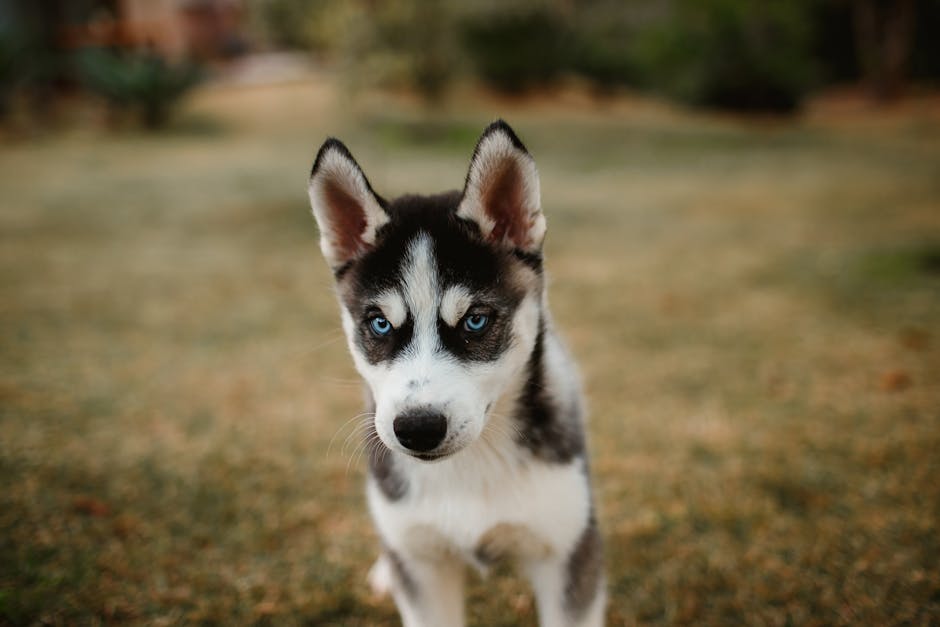
Before diving into hand signals, ensure your Husky has basic attention skills. Start in a quiet, low-distraction area. Have high-value treats (small pieces of chicken, cheese, or freeze-dried liver) ready. Keep training sessions short—5 to 10 minutes—to match your Husky's attention span. Use a calm, confident posture and avoid harsh corrections.
What You Need
- High-value treats
- A quiet training space
- Consistency in your hand gestures
- Patience – Huskies can be stubborn
Common Hand Signals for Basic Commands
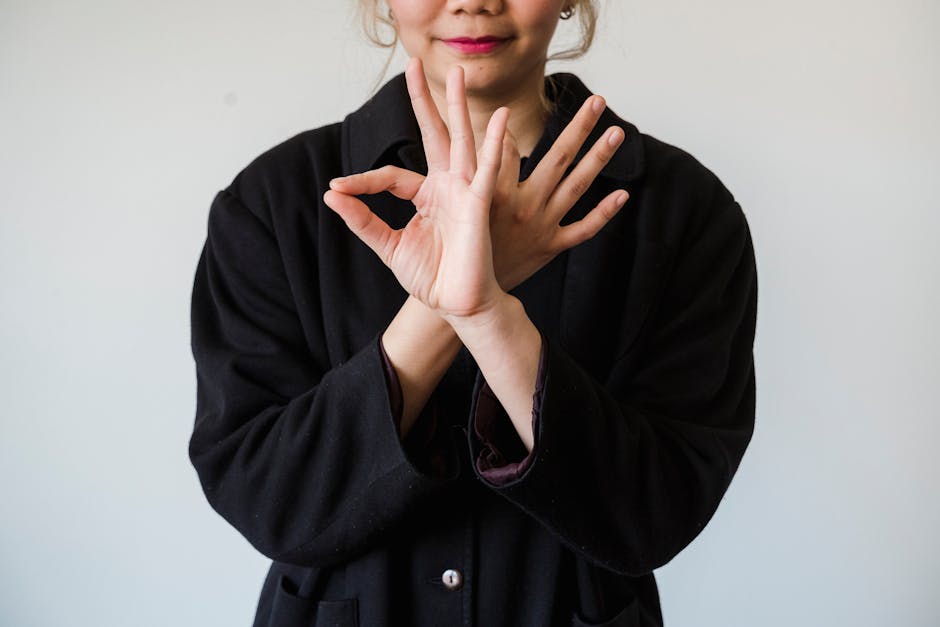
Below is a table of standard hand signals that work well with Huskies. Practice each until your dog responds reliably before moving to the next.
| Command | Hand Signal | Tips |
|---|---|---|
| Sit | Flat hand, palm up, raise upward from waist | Lure with treat if needed; reward immediately |
| Down | Flat hand, palm down, lower toward ground | Use treat to guide nose to floor |
| Stay | Palm out, stop sign (like a traffic cop) | Hold signal briefly, increase duration gradually |
| Come | Arms open wide, palms up, then bring together to chest | Use excited tone initially; reward upon arrival |
| Heel | Pat your left thigh with open hand | Practice on leash; reward for maintaining position |
| Leave It | Closed fist in front of dog’s nose | Reward when dog looks away from object |
Step-by-Step Training Method
Start with One Command
Choose a single command, such as "Sit." Show the hand signal without speaking, then immediately lure with a treat into position. Reward the correct position. Repeat 5–10 times. After a few sessions, your Husky will anticipate the signal.
Pair Verbal + Hand
Once your dog begins to respond to the lure, add the verbal command just before the hand signal. For example, say "Sit" then give the hand gesture. Reward after compliance. This pairs the auditory and visual cues.
Fade the Verbal Cue
After consistent paired responses, start withholding the verbal cue. Give only the hand signal. If your Husky performs, reward enthusiastically. If not, go back a step. Gradually increase the delay between signal and treat to build reliability.
Troubleshooting Common Issues
Husky ignores the signal: Increase treat value. Move to a quieter spot. Ensure your hand gesture is clear and consistent—don't vary wrist angle or speed.
Dog responds only to verbal: Practice in a silent environment. Use a hand signal that is distinctly different from any accidental movement. Reward only when the dog responds to the hand cue alone.
Distractions break focus: Build up gradually. Start with mild distractions (e.g., a person standing still), then progress to moving objects. Use life rewards like a game of tug after a correct response.
Advanced Hand Signals
Once your Husky masters the basics, you can expand to more complex cues:
- Roll Over: Circular motion with index finger near the nose, then down.
- Speak/Quiet: One finger on lips for quiet; opening hand for speak.
- Go to Bed/Place: Point to mat or crate with full arm extension.
- Touch: Open palm for dog to nose target.
- Spin: Finger tracing a circle in the air.
Consistency and Practice Tips
Huskies thrive on routine. Practice hand signals daily, even if for just a few minutes. Use the same signals in different locations (yard, park, indoors) to generalize the behavior. Always reward success. Avoid punishing mistakes; instead, reset and try again. As your dog becomes proficient, you can replace food rewards with praise or play. Remember: hand signals work best when paired with a calm, assertive energy. Your Husky will learn to look to you for guidance, which strengthens your leadership role.
Training with hand signals is not only effective but also deepens your connection with your Husky. Start today, and enjoy the clarity and fun of silent communication.