1. The Classic 'Roo' and 'Woo' Symphony
Huskies are known for their distinctive vocalizations, and the 'roo' (a drawn-out howl) and 'woo' (a shorter, questioning sound) are their way of starting a conversation. When your Husky looks you straight in the eye and lets out a series of roos and woos, they are essentially saying, 'I have something to say, and you better listen.' It's not barking; it's a melodic backtalk that often sounds like they are mimicking human speech. This is especially common when they want food, a walk, or simply attention. The key is to recognize that this is normal Husky behavior, but it can become excessive if you reward it every time. Instead, wait for a pause in the vocalization before giving them what they want.
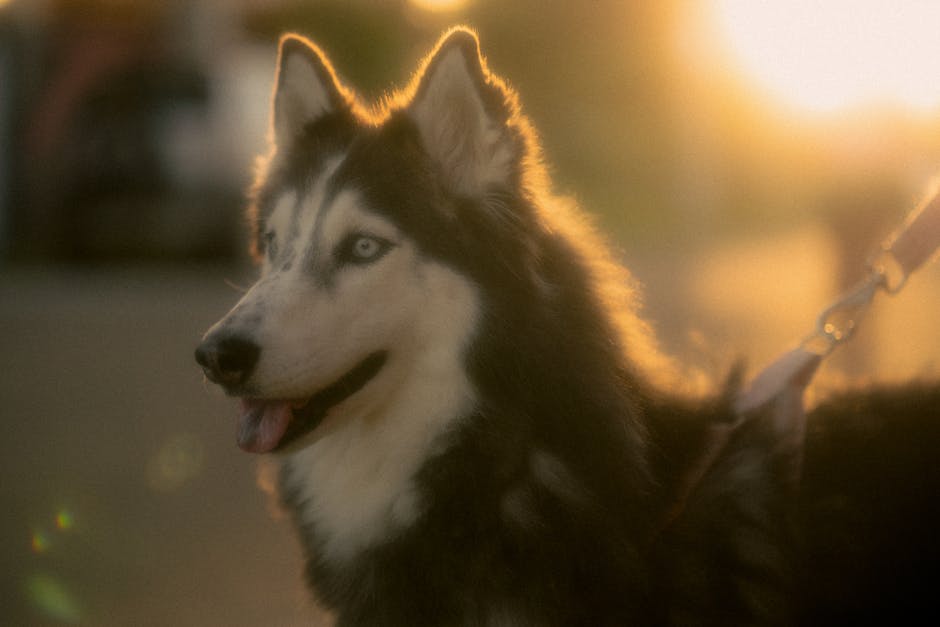
2. The Side-Eye of Judgement
Huskies are masters of nonverbal communication, and the side-eye is their go-to move. When you tell them to do something they don't want to do—like get off the couch or stop chewing your shoe—they will turn their head slightly, look at you out of the corner of their eye, and hold that gaze. It's a look that clearly says, 'Really? You think I'm going to do that?' This sassy stare is often accompanied by a slight tilt of the head, making it even more expressive. Don't be fooled by the cuteness; it's a form of backtalk that tests your boundaries. The best response is to stand your ground and use a firm, calm command. If you laugh or give in, you reinforce the behavior.
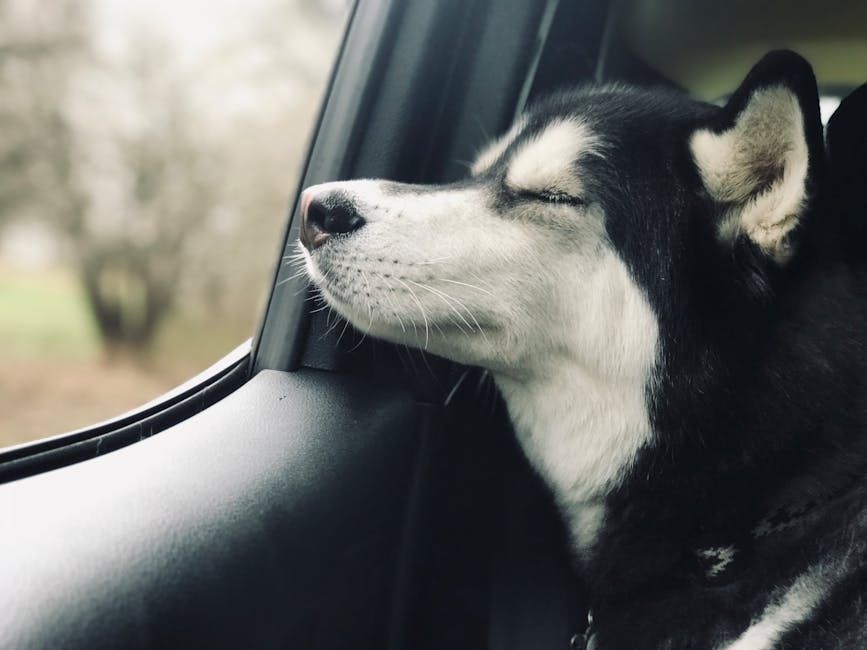
3. The Dramatic Sigh
If you've ever heard your Husky let out a deep, dramatic sigh while lying down, you know exactly what it means. It's the canine equivalent of a teenager rolling their eyes and saying, 'Fine, I'll do what you say, but I'm not happy about it.' Huskies use this sigh to express resignation or mild annoyance. For example, if you interrupt their nap to go outside or stop them from chasing a squirrel, you'll likely get a long, exaggerated exhale. While it's harmless and sometimes funny, it's a clear sign of their independent nature. Acknowledge their 'sass' with a laugh, but don't let it change your decision. Consistency is key with Huskies.
4. The 'Husky Scream' When You Say No
Perhaps the most famous sign of Husky backtalk is the 'Husky scream'—a high-pitched, dramatic howl that sounds like they're being tortured, even when the offense is as minor as not getting a second treat. When you say 'no' to something they want, they may throw their head back and let out a series of escalating screams. This is not aggression; it's pure drama. Huskies are incredibly expressive and use this sound to protest or negotiate. It can be startling, but try not to react with shock or alarm. Calmly ignore the scream until it stops, then reward quiet behavior. Giving in to the scream will only teach them that screaming gets results.
5. The 'Chuff' of Disapproval
Another vocal sign of sass is the 'chuff'—a short, sharp exhale through the nose, often sounding like a combination of a sneeze and a growl. You'll hear this when your Husky is displeased with a situation, such as being asked to move from a comfortable spot or waiting too long for a meal. The chuff is a clear 'back off' signal, but in the context of a sassy Husky, it's more about expressing mild frustration than aggression. It's their way of saying, 'I'm not thrilled with you right now.' If you get a chuff, reassess whether you're being unreasonable, but also enforce your rules. Huskies respond best to respectful leadership.
6. The Conversation That Never Ends
Some Huskies seem to have an endless repertoire of sounds: whines, yawns that turn into howls, grumbles, and even what sounds like words. They will 'talk' to you for minutes on end, especially when they want something or are trying to engage you in play. This continuous vocalization is their way of keeping the negotiation open. They are literally talking back in a stream of consciousness. While it's endearing, it can become demanding. The trick is to set a limit: allow a short 'conversation' then redirect to a calm activity. If you talk back every time, you'll create a noise monster. Use a 'quiet' command paired with a treat to shape the behavior.
7. The Padded Paw Protest
When words aren't enough, Huskies use their paws. A classic sassy move is the 'paw protest'—your Husky will come up to you, raise a paw, and gently touch your arm or leg, all while staring at you with a knowing look. This is often accompanied by a low whine or a series of woos. It's a more physical form of backtalk, as if to say, 'Hey, I'm here, and I want something.' This behavior is common during meal prep or when they want to go outside. While it's not aggressive, it can be persistent. The best response is to acknowledge them briefly, then ignore until they stop. If you always give in, they'll learn that pawing works.
8. The 'Huff and Puff' Routine
Another dramatic display is the 'huff and puff'—a series of loud, exaggerated breaths that sound like your Husky is angry or frustrated. They may huff while lying down after a command, or puff while pacing around a room. This is a sassy way of showing that they are not pleased with the current situation. Often, it's a precursor to more vocal complaints. It's important not to laugh at this behavior, as that can encourage it. Instead, stay neutral and continue with your actions. Huskies are clever and will use any reaction as fuel for their drama. A calm, unimpressed demeanor is your best tool.
9. The 'I'm Not Listening' Ear Display
Huskies have incredibly expressive ears, and when they are in sassy mode, they'll use them to show they're ignoring you. They might swivel their ears away from you, flatten them slightly, or even hold them in a 'half-mast' position while looking off into the distance. This ear display is often accompanied by a deliberate turning of the head, as if to say, 'I can't hear you.' It's a playful form of backtalk that tests your authority. The best way to handle it is to use a high-value treat or a happy tone to regain their attention. Don't get frustrated; just make yourself more interesting than whatever they're ignoring.
10. The Full-On Howl-Off
The ultimate sign of Husky backtalk is the full-on howl-off. This happens when you tell your Husky something they don't want to hear, and they respond with a long, drawn-out howl that seems to challenge your statement. If you say 'time to go inside,' they might howl back as if to say, 'No way, this is much better outside!' It's a direct vocal opposition. Howling is natural for Huskies, but when it's clearly directed at you in a back-and-forth pattern, it's sass. Don't shout over them or join in the howling, as that encourages the behavior. Instead, wait for a quiet moment, then calmly repeat the command. Consistency will teach them that howling doesn't change your mind.
How to Handle a Sassy Husky
While these signs are hilarious and endearing, it's important to a sassy Husky is still a dog that needs structure and leadership. The key is to enjoy their personality without letting the backtalk lead to disobedience. Always reinforce good behavior with praise and treats, and don't inadvertently reward dramatic behaviors. Set clear boundaries, and use positive training methods. The sass is part of what makes Huskies so special—it's a sign of their intelligence and spirit. Embrace it, but also guide it so you have a well-mannered companion who knows when to talk and when to listen.
| Sign | What It Means | How to Respond |
|---|---|---|
| Roo/Woo Symphony | Your Husky is initiating a conversation or demanding attention. | Acknowledge briefly, then reward quiet. |
| Side-Eye of Judgement | Your Husky is questioning your authority or decision. | Stand firm, use a firm command. |
| Dramatic Sigh | Resignation or mild annoyance. | Stick to your decision; don't relent. |
| Husky Scream | Dramatic protest over a denied request. | Ignore until quiet, then reward. |
| Chuff of Disapproval | Mild frustration or displeasure. | Respect the signal but maintain boundaries. |
| Never-Ending Conversation | Persistence to get what they want. | Set a time limit, then redirect. |
| Padded Paw Protest | Physical request for attention or action. | Acknowledge then ignore if persistent. |
| Huff and Puff Routine | Exaggerated frustration. | Stay neutral; don't react. |
| I'm Not Listening Ear Display | Selective hearing as a form of backtalk. | Make yourself more interesting; use treats. |
| Full-On Howl-Off | Direct vocal challenge to your command. | Wait for quiet, repeat command calmly. |