If you've ever owned a Siberian Husky, you know they come with a built-in personality that rivals any teenager. Their vocalizations, dramatic sighs, and expressive faces often make it seem like they're talking back. In fact, Huskies are notorious for their sassy attitude and ability to communicate their displeasure or demands in ways that are both hilarious and exasperating. Whether you're a new Husky parent or a seasoned owner, learning to recognize when your pup is giving you a piece of their mind is part of the fun. Here are 10 classic signs your Husky is talking back to you.
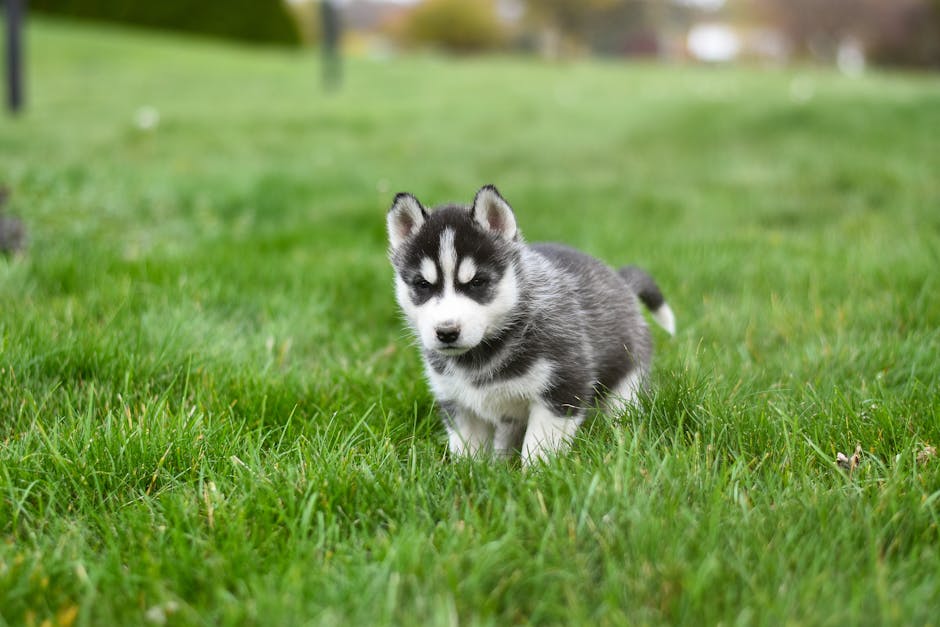
1. The Dramatic Sigh
One of the most common signs of a sassy Husky is the dramatic sigh. When you tell your Husky it's time for a bath, a vet visit, or even just to stop chewing on a shoe, you'll hear a loud, exaggerated sigh that seems to say, "Fine, but I'm not happy about it." This sigh is often accompanied by a sideways glance or a flopping down on the floor. It's their way of expressing resignation mixed with attitude. Practical tip: If you hear the sigh, acknowledge it with a laugh, but don't give in—otherwise, you'll reinforce the drama.
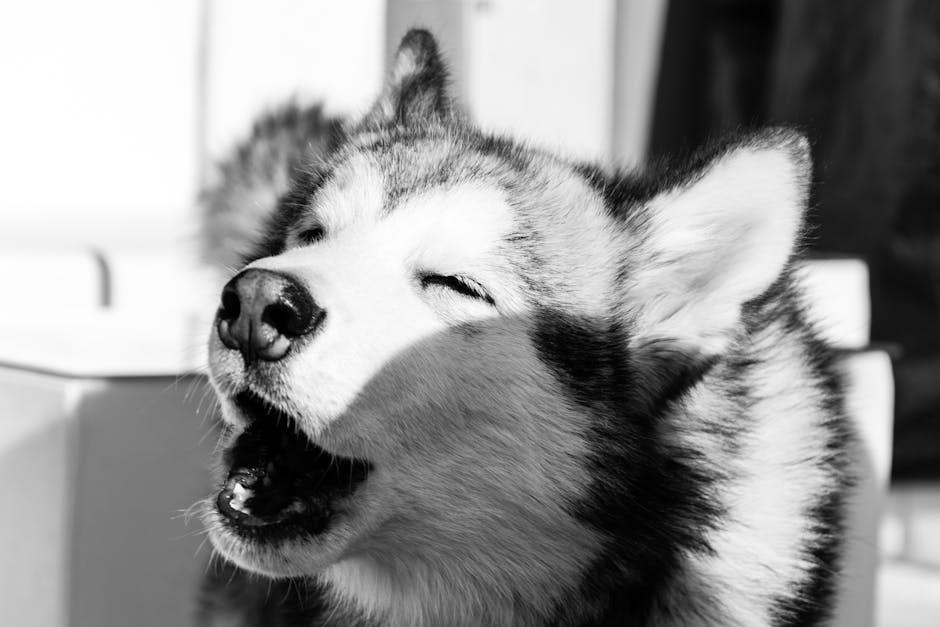
2. The Rooing Conversation
Huskies are famous for their vocalizations, especially the "roo"—a long, melodious howl that sounds like they're singing. When your Husky talks back, they'll often initiate a back-and-forth "rooing" session. You might say, "No, we're not going for a walk yet," and your Husky responds with a series of roos that vary in pitch, almost like they're arguing. This is their version of talking back, and it's incredibly endearing. Practical tip: You can have a playful conversation by mimicking their roos, but set limits to prevent excessive vocalizing during quiet times.
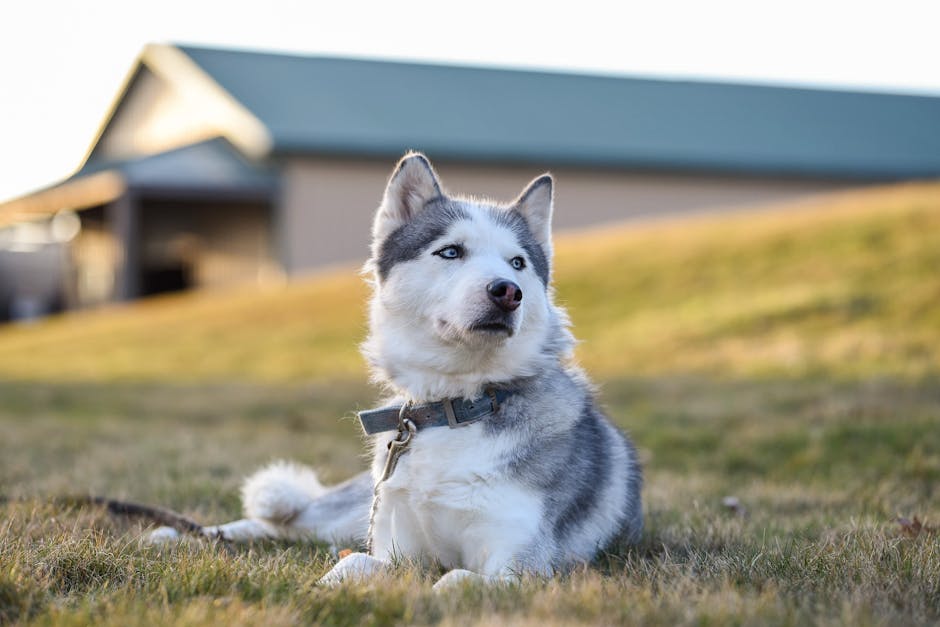
3. The Squinty Eyebrow Raise
Watch your Husky's face closely. When they're sassing you, they'll often squint their eyes slightly and raise one eyebrow (if possible) while staring at you. This look is pure attitude—part disbelief, part defiance. It's as if they're saying, "Really? You expect me to do that?" This expression is especially common when you ask them to drop a toy or get off the couch. Practical tip: Don't take it personally; this is just their way of testing boundaries. Stay firm but kind.
4. The Full-Body Flop
Ever told your Husky to come inside, only to have them drop to the ground and flop onto their side? That's the full-body flop of defiance. They'll lie there like a dead weight, refusing to move, often with a look that says, "You'll have to carry me." This is a clear sign of talking back—they're literally putting on a performance to avoid doing what you ask. Practical tip: Use treats or a favorite toy to motivate them, and avoid dragging them, as it can encourage stubbornness.
5. The Backward Howl
Instead of a typical upward howl, some Huskies will throw their head back and howl in a descending pitch, creating a sound that mimics a verbal complaint. This "backward howl" often occurs after you say the word "no" or deny them something they want. It's a sassy retort that sounds like a whine mixed with a growl. Practical tip: Record your Husky's backward howls—they make hilarious videos, but also use positive reinforcement to redirect their focus.
6. The Head Tilt with Attitude
The classic head tilt is adorable, but when combined with a sassy attitude, it becomes a form of talking back. Your Husky will tilt their head to one side, ears perked, and then give a short bark or grumble. It's as if they're questioning your authority or intelligence. This often happens when you give a command they don't understand or agree with. Practical tip: Use this moment to reinforce training with a clear, consistent cue—turning their confusion into compliance.
7. The Nose Nudge and Grumble
When a Husky wants to emphasize a point, they'll nudge you with their nose and follow it with a low grumble or series of grumbles. This is their way of saying, "Hey, you forgot something," or "I disagree." It's a physical form of talking back that combines touch with vocalization. For example, if you stop petting them too soon, they'll nudge your hand and grumble in disapproval. Practical tip: Understand that this is their communication style. Respond by addressing their need (e.g., more pets or a treat) only if appropriate, but don't reward demanding behavior.
8. The "You Can't Make Me" Stare
This is the ultimate talking-back move. Your Husky will lock eyes with you, hold a steady stare, and then slowly look away as if to say, "I heard you, but I'm choosing to ignore you." Combined with a slight head turn, this stare is pure defiance. It often happens during recall training or when you ask them to leave something alone. Practical tip: Break the stare by calling their name excitedly or using a high-value treat to regain their attention.
9. The Sassy Paw Swipe
When words aren't enough, your Husky might reach out a paw and tap you or swipe at an object like a toy or food bowl. This is a physical sign of talking back—they're trying to get a reaction or make a point. For instance, if you're eating something they want, they might paw at your leg while grumbling. Practical tip: Avoid rewarding the paw swipe with attention or food. Instead, redirect them to a designated toy or bed until they calm down.
10. The Selective Hearing Ear Flick
One of the subtler signs of a sassy Husky is the ear flick. When you call their name and they twitch one ear without turning their head, they're acknowledging you but choosing not to respond. It's a mini version of talking back—they heard you, but they're busy ignoring you. This often happens when they're focused on something interesting (like a squirrel) or simply feeling stubborn. Practical tip: Use a different tone or a command-word they love (like "walk" or "treat") to break their selective hearing.
Understanding the Sass: How to Handle Your Husky's Backtalk
While it's tempting to laugh off your Husky's sassy attitude, remember that these behaviors are rooted in their intelligence and strong will. Siberian Huskies were bred to be independent thinkers, so their talking back is a natural part of their personality. To handle it effectively:
- Stay calm and consistent. Don't match their drama with your own. A firm, calm voice works best.
- Use positive reinforcement. Reward them when they comply without backtalk to encourage better behavior.
- Give them a job. Huskies need mental stimulation, so teach them tricks or give them tasks to channel their sass productively.
- Embrace the humor. Sometimes the best response is to laugh and enjoy the unique bond you share with your sassy companion.
Summary: 10 Signs Your Husky Is Talking Back
| Sign | What It Looks Like | What It Means |
|---|---|---|
| Dramatic Sigh | Exaggerated exhale with sideways glance | Resignation and protest |
| Rooing Conversation | Back-and-forth howling in response | Arguing or demanding attention |
| Squinty Eyebrow Raise | Squinted eyes and raised brow | Disbelief or defiance |
| Full-Body Flop | Dropping to the ground and refusing to move | Non-compliance and performance |
| Backward Howl | Descending howl after being told no | Complaint or sassy retort |
| Head Tilt with Attitude | Tilted head with a bark or grumble | Questioning authority |
| Nose Nudge and Grumble | Nose nudge followed by low grumble | Disagreement or request |
| "You Can't Make Me" Stare | Steady stare then deliberate look away | Defiance and choice to ignore |
| Sassy Paw Swipe | Paw tap or swipe with grumble | Demand or protest |
| Selective Hearing Ear Flick | Ear twitch without head turning | Acknowledgment but refusal to respond |
Siberian Huskies bring endless joy with their sassy attitudes. Recognizing these signs of talking back not only helps you understand your dog better but also deepens the bond between you. Remember, a little sass is part of the Husky charm—embrace it, train with patience, and enjoy the lively conversations you'll have for years to come.